Ask every department what they want automated and you will get a backlog large enough to delay the first useful release. Sales wants better follow-ups. Operations wants fewer handoffs. Management wants reports it can trust.
The decision is where one contained change can remove recurring work, with an owner who can help it succeed. For a business with established teams, that matters more than finding the most impressive AI demo.
Start with work you can observe
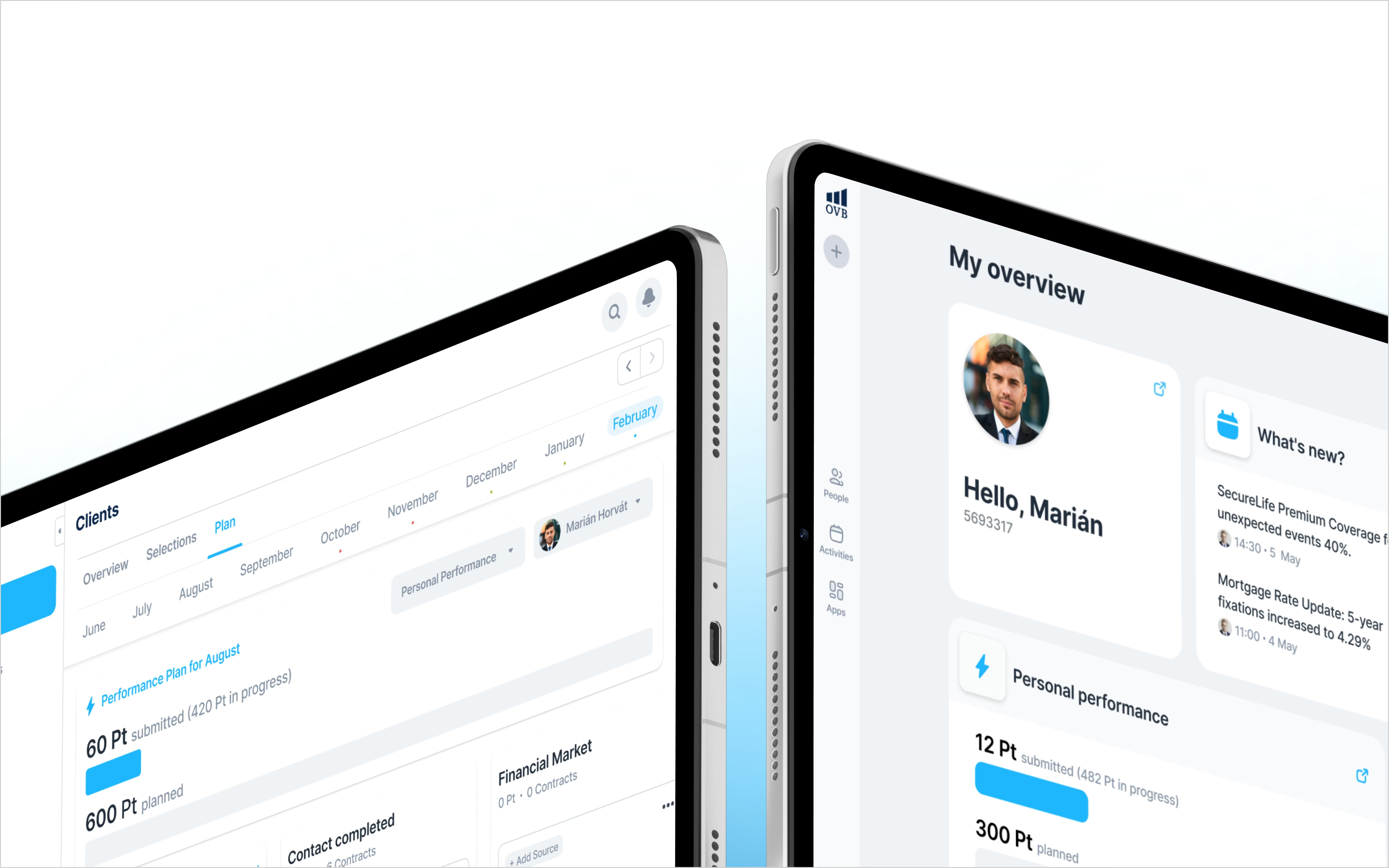
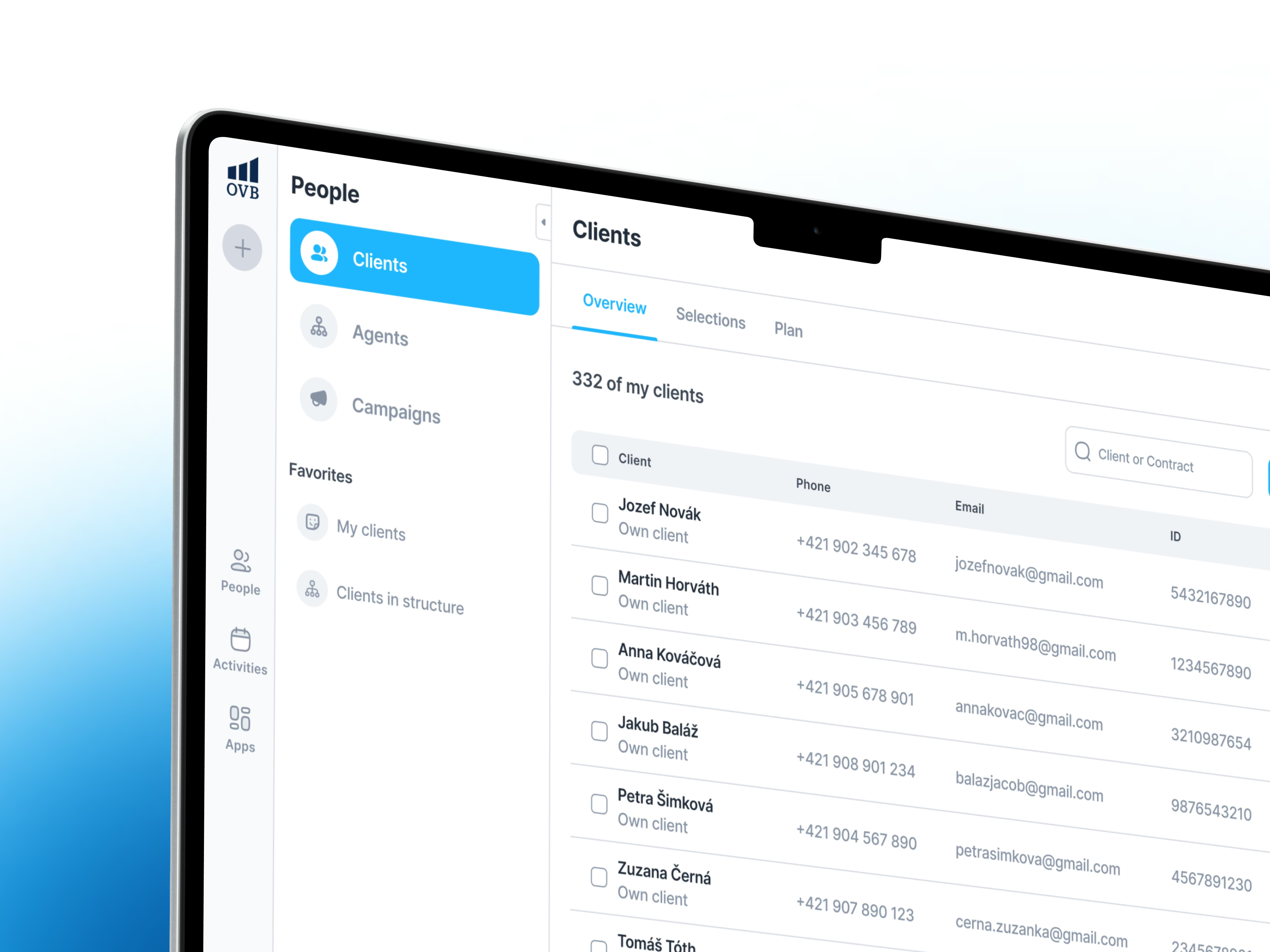
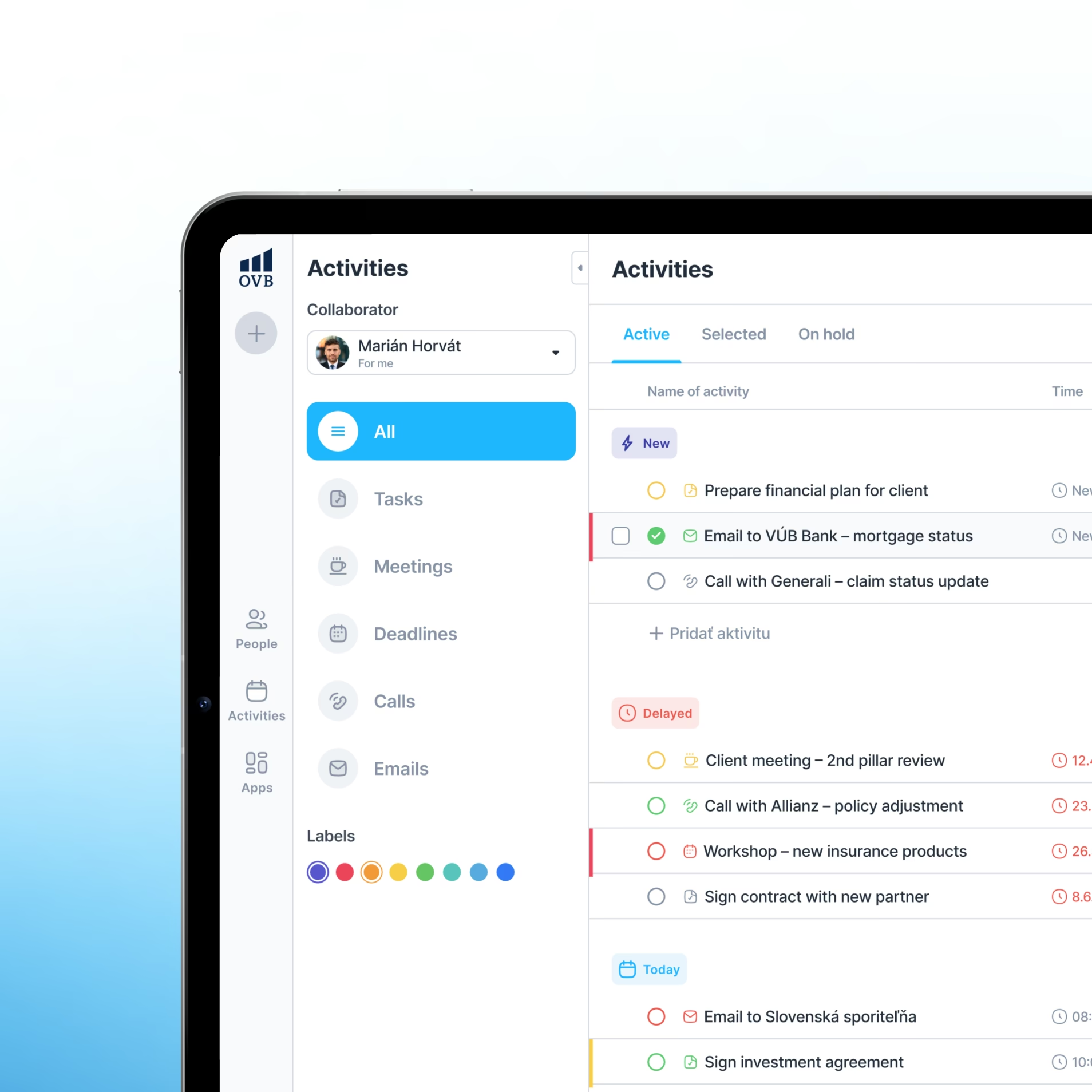
Aero began with a large set of requirements from a financial services sales organisation. Expectations for the first release were high, the timeline was tight, and the data landscape was fragmented. Workshops helped define the goals and roadmap; requirements had to be shaped and prioritised into a viable first release.
The lesson is to define a useful outcome before choosing features. “Improve sales operations” is too broad to guide delivery. “Prepare the weekly follow-up list without combining three exports” gives the team something concrete to investigate.
Compare three candidates
Ask each process owner to bring a recent example of the work, including its exceptions. Compare the candidates using the same questions:
- How much repeated effort is there? Count occurrences and active handling time. Separate time spent working from time spent waiting for someone else.
- How many handoffs does it create? Look for copying, checking, chasing and re-entering information between teams.
- Are the inputs available? Identify missing partner data, unclear record ownership or permissions before committing to delivery.
- What happens when it goes wrong? Choose a workflow where exceptions can be recognised, reviewed and corrected.
A simple comparison is enough. A frequent, clearly owned process with accessible data is a stronger first candidate than an ambitious workflow dependent on several unresolved integrations.
Deliver one complete outcome
For the follow-up example, the first release could gather the agreed records, flag missing information and create a reviewable list. Keep a person responsible for approving the result. Automated outreach can be a later decision.
Also ask whether the task needs AI. If the rule is “assign requests from this region to this team”, ordinary automation may cover it. If someone must interpret varied free-text requests, there is a clearer reason to evaluate AI for that step.
Agree what success looks like before building
Record a baseline for handling time, corrections and completed cases. After the pilot, compare similar work and include time spent reviewing the automated output. Time moved into a new checking task is still time spent.
Agree who handles exceptions, when the pilot will be reviewed and what must improve before expanding it. This gives the project a business decision to support, instead of an open-ended feature list.
Your next step: bring three recurring workflows to a short session with their owners. Leave with one outcome, one baseline and one person accountable for the pilot.
These lessons come from our work on Aero, a CRM platform for OVB. Explore the Aero case study.