You can launch a system on time and still leave the old process intact. People log in, discover a missing step, then return to the spreadsheet that gets the job done. The business now pays for both.
For established SMBs, adoption belongs in the investment decision from the start. The expected return depends on people changing how they work, not simply gaining access to new features.
A requirement can be a reason people cannot switch
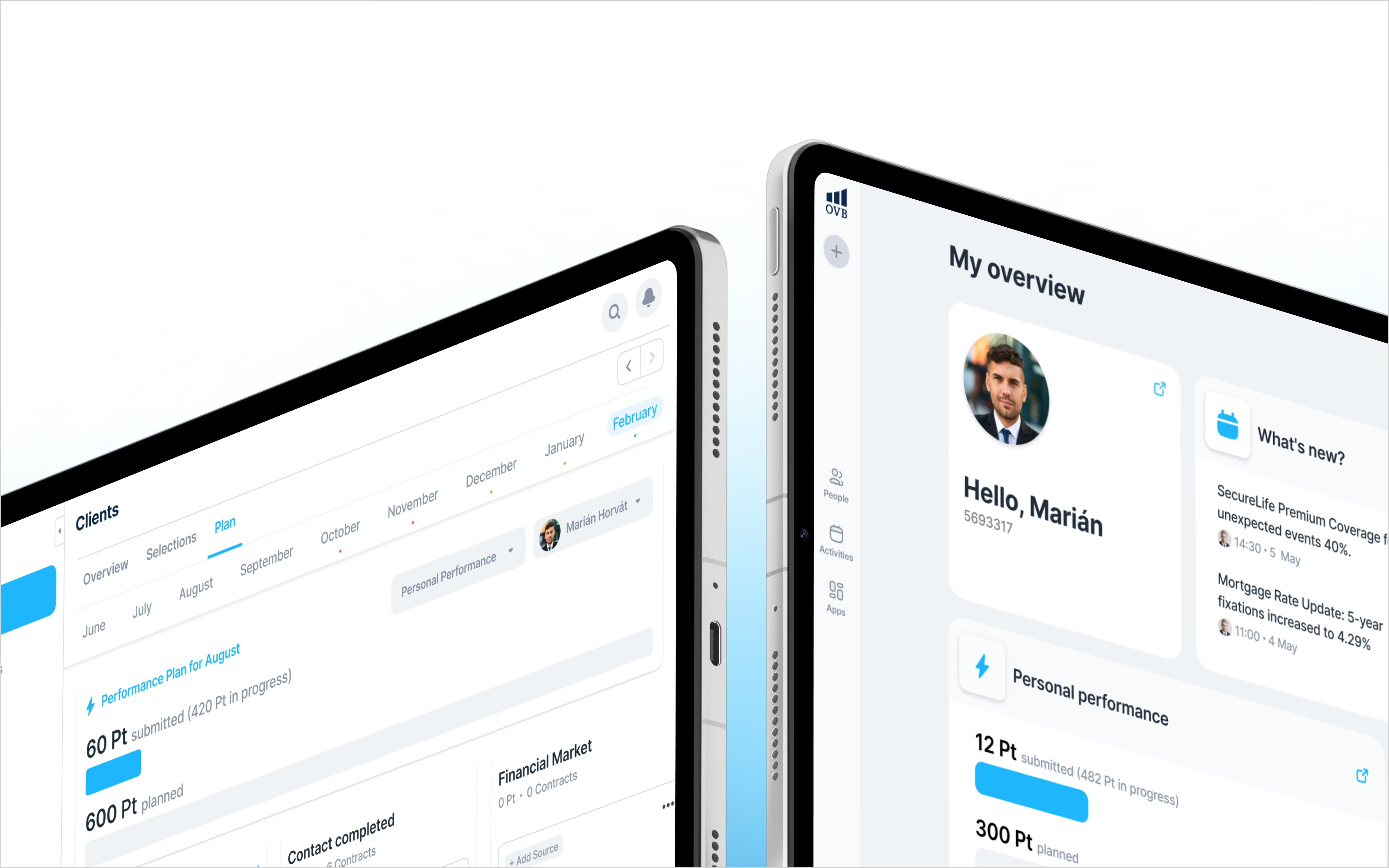
During Aero’s development, sales teams were initially sceptical. Different teams had their own requirements to meet before adopting the platform, and the rollout was phased according to available functionality. Users also had different levels of digital confidence.
That makes adoption a product question. Before treating a request as a nice-to-have, ask what happens without it. Does someone prefer a different layout, or would they have to finish the task in the old tool? Those are different kinds of feedback.
Pilot a complete daily task
Choose a small group with different roles and levels of experience. Give them real work to complete: finding a client, checking the latest information and recording the next action, for example.
Watch where they hesitate, ask for help or leave the system. A demonstration shows what the product can do. Working through an ordinary day reveals whether people can rely on it.
Keep a short list of blockers and decide which must be resolved before that group switches. Avoid making everyone run two full processes indefinitely; agree a transition period and keep a clear fallback for unresolved cases.
Measure completed work
Logins are useful context, but they do not tell you whether the old process has disappeared. Track:
- Work completed in the new flow: how many relevant cases reach the end without switching tools?
- Extra handling: how much copying, checking or correcting still happens outside it?
- Support needed: which tasks repeatedly require a colleague’s help?
Compare the pilot with a baseline from similar work. Combine observation with user feedback. Aero’s project notes report a user-survey estimate of a 20–30% improvement in work efficiency. That is a reported perception, not a measured reduction in labour cost or a promise for another business.
Give someone ownership after launch
Name a business owner who can review usage, resolve process questions and prioritise the next improvements with the delivery team. Otherwise, the small obstacles people work around can become permanent.
Your next step: ask one team, “What would stop you doing this entire task in the new system?” Use the answer to shape the pilot and its launch criteria.
These lessons come from our work on Aero, a CRM platform for OVB. Explore the Aero case study.