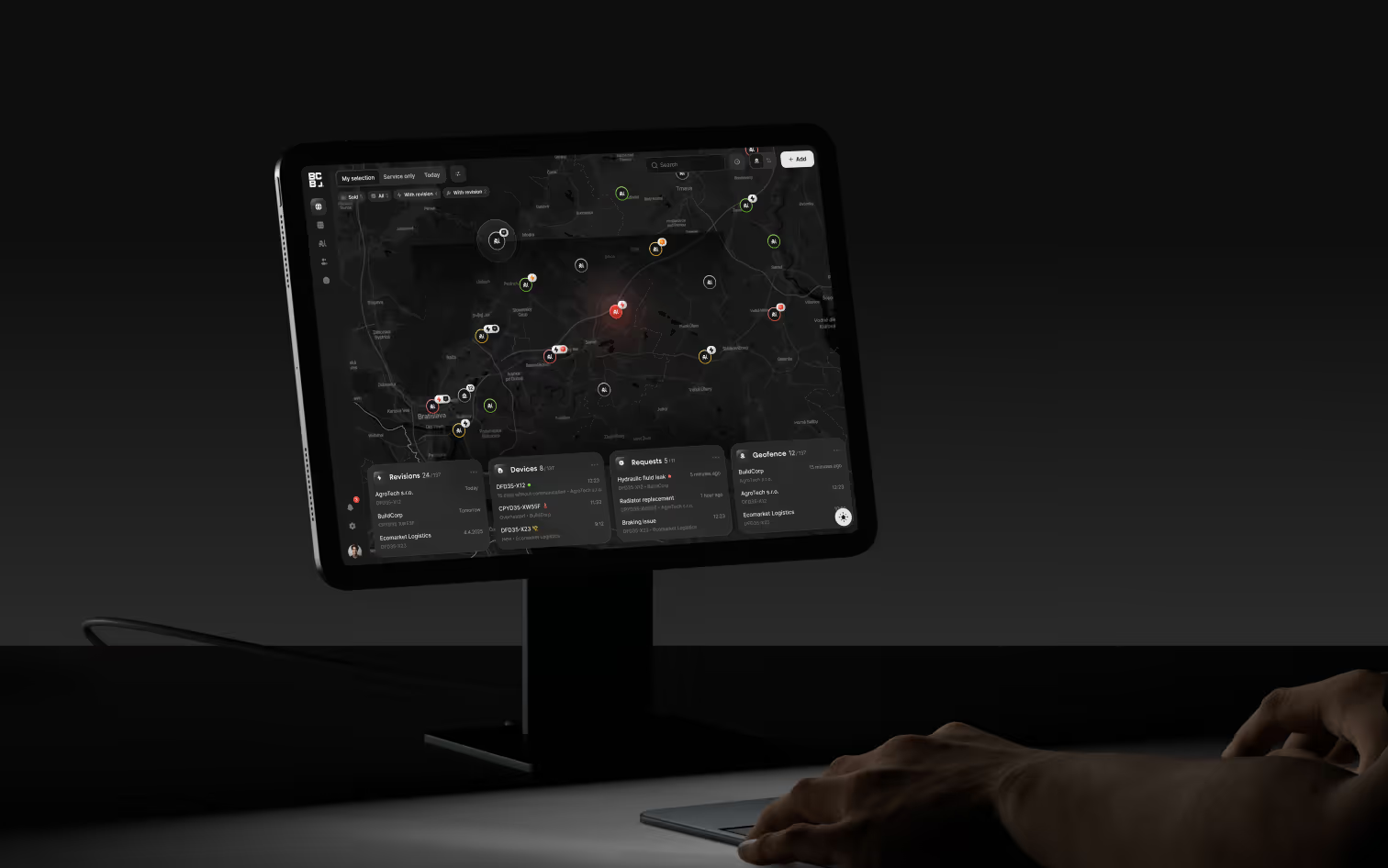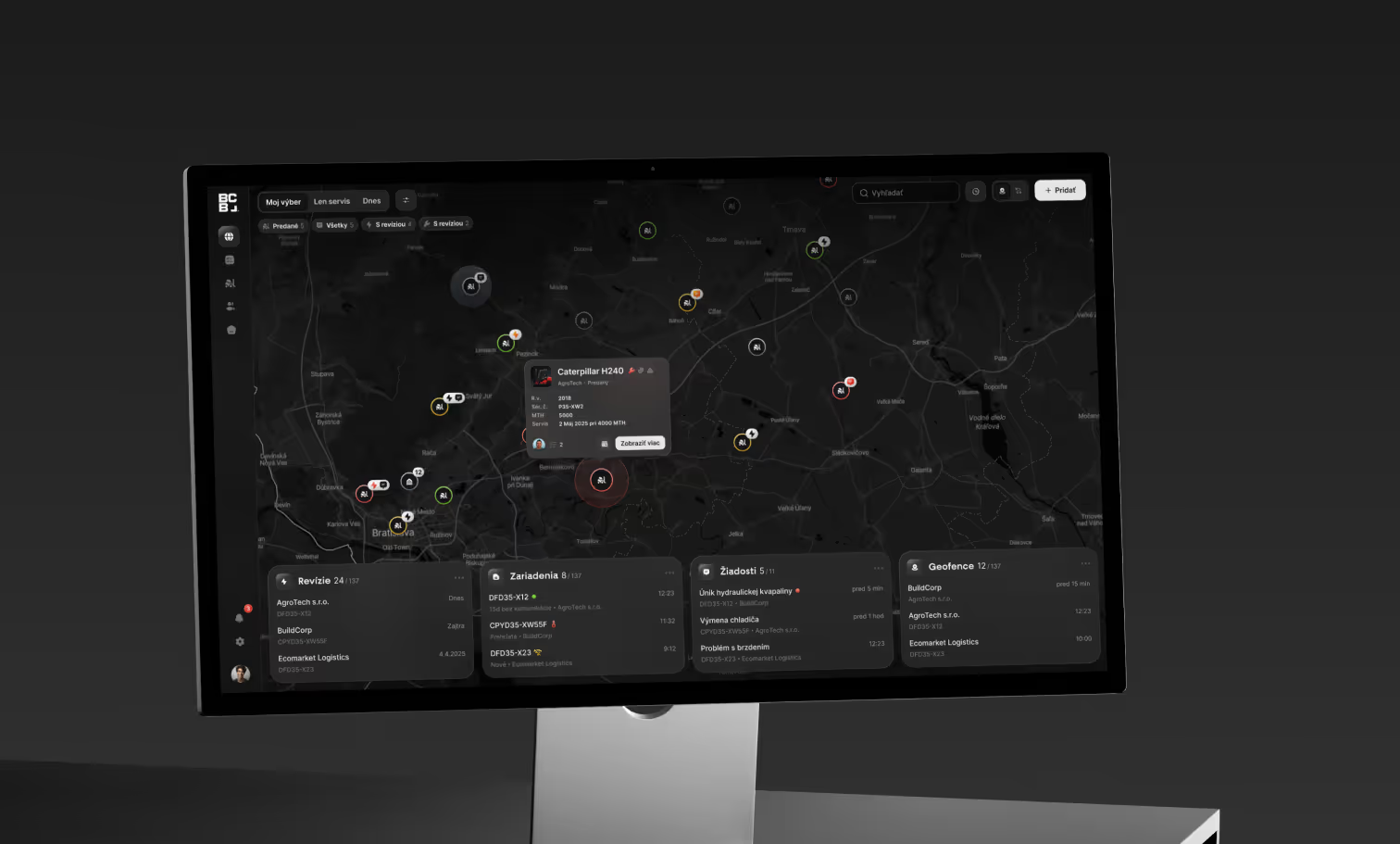
Machine data. A clear service plan.
Web and mobile development
Hardware integration
Launch materials
The team can plan service from actual operating hours, assign technician tasks, and keep digital records, while linking operators to the equipment they use.
- Service intervals based on actual operating hours
- Connected planning and technician tasks
- Digital service records in one platform
- Driver identification and machine access controls

Made maintenance needs easier to identify from actual machine usage.
Service intervals depend on how much a machine runs. Without remote readings, the team had to visit each machine to know when maintenance was due.
The old process made it hard to plan ahead. Paper records could go missing, rented machines returned with unexplained wear, and too much operational knowledge lived with one person. The team needed a shared picture of the fleet.
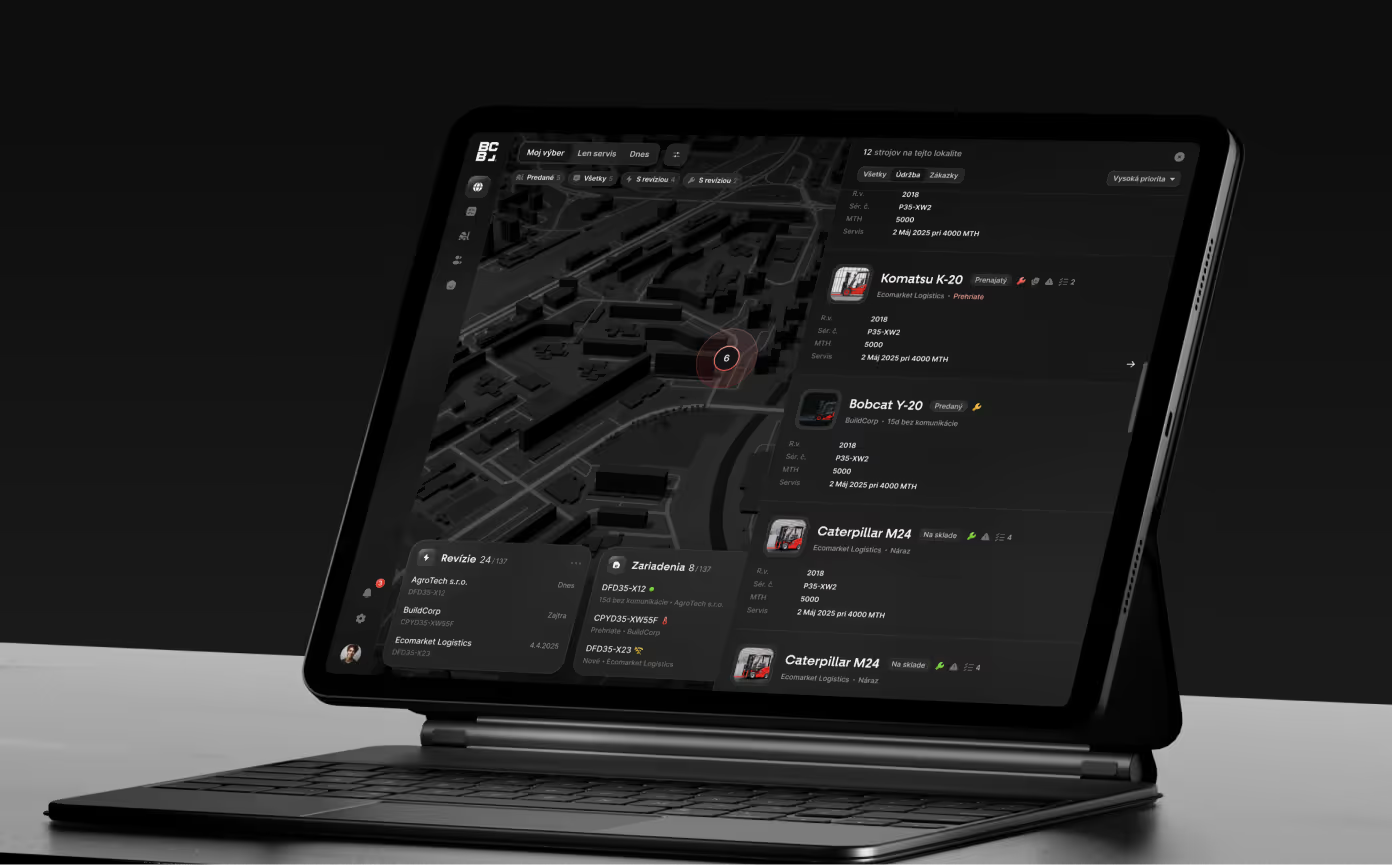
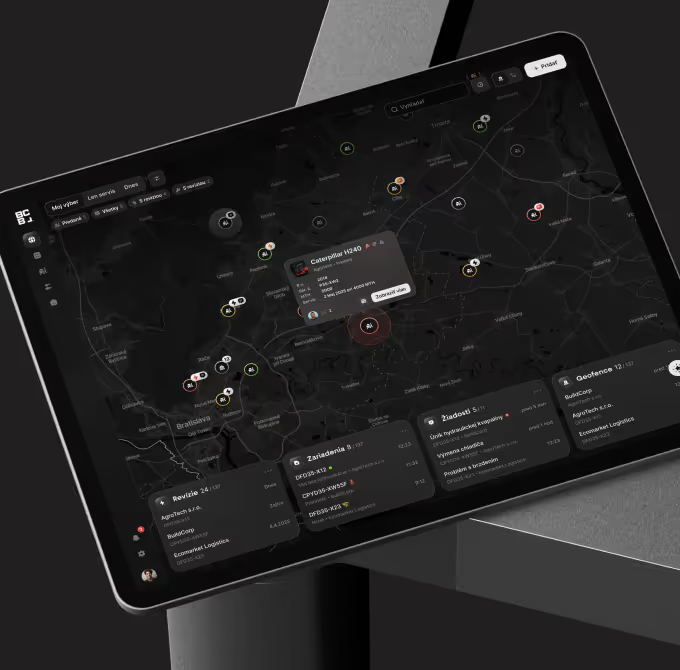
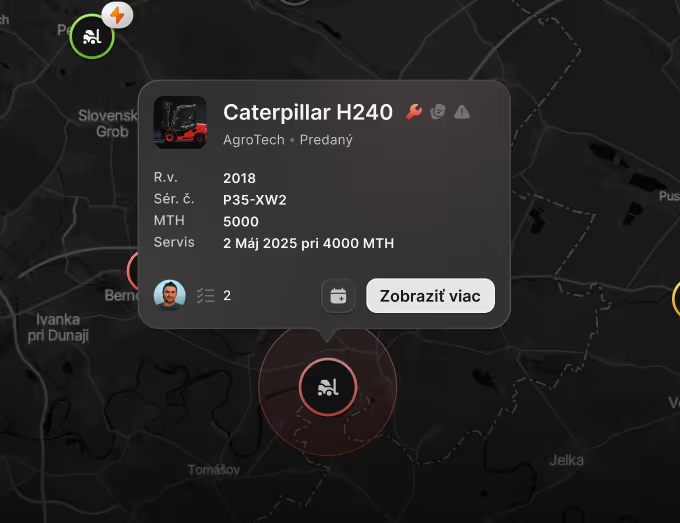
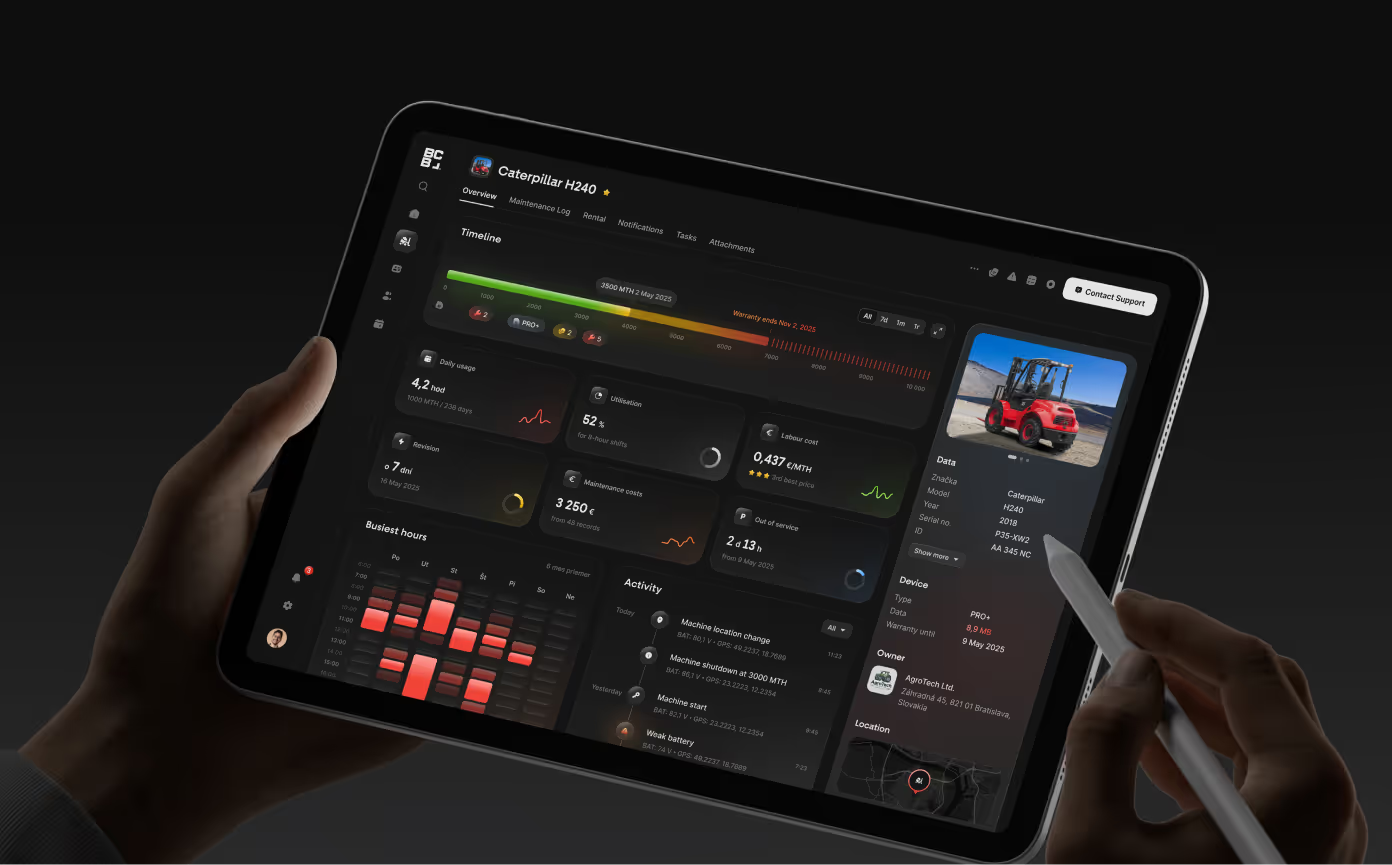
Removed the need to visit machines just to check operating hours.
We connected the hardware partner’s devices to a platform that collects operating hours and location data. The service team can see usage without checking each machine in person.
Devices store readings when the mobile signal drops and send them when the connection returns. We built validation and retry handling around that flow, with problematic records sent for review rather than silently lost.
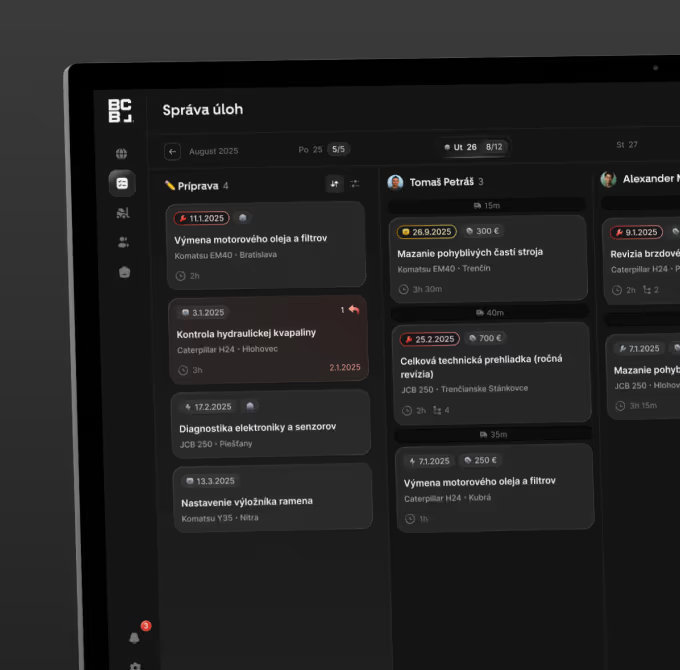
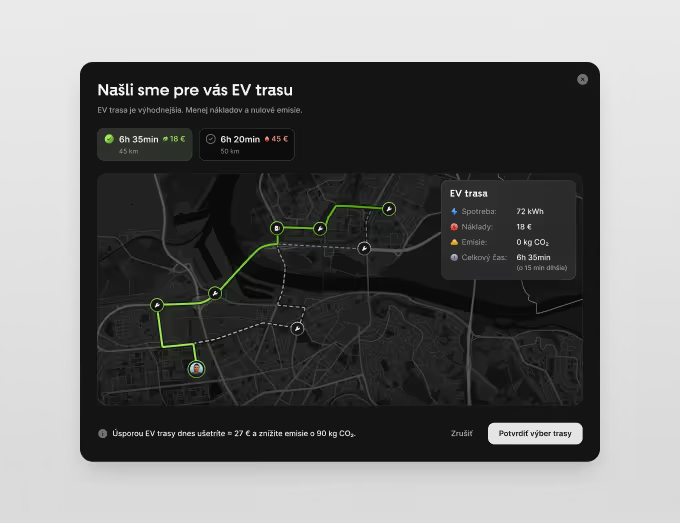
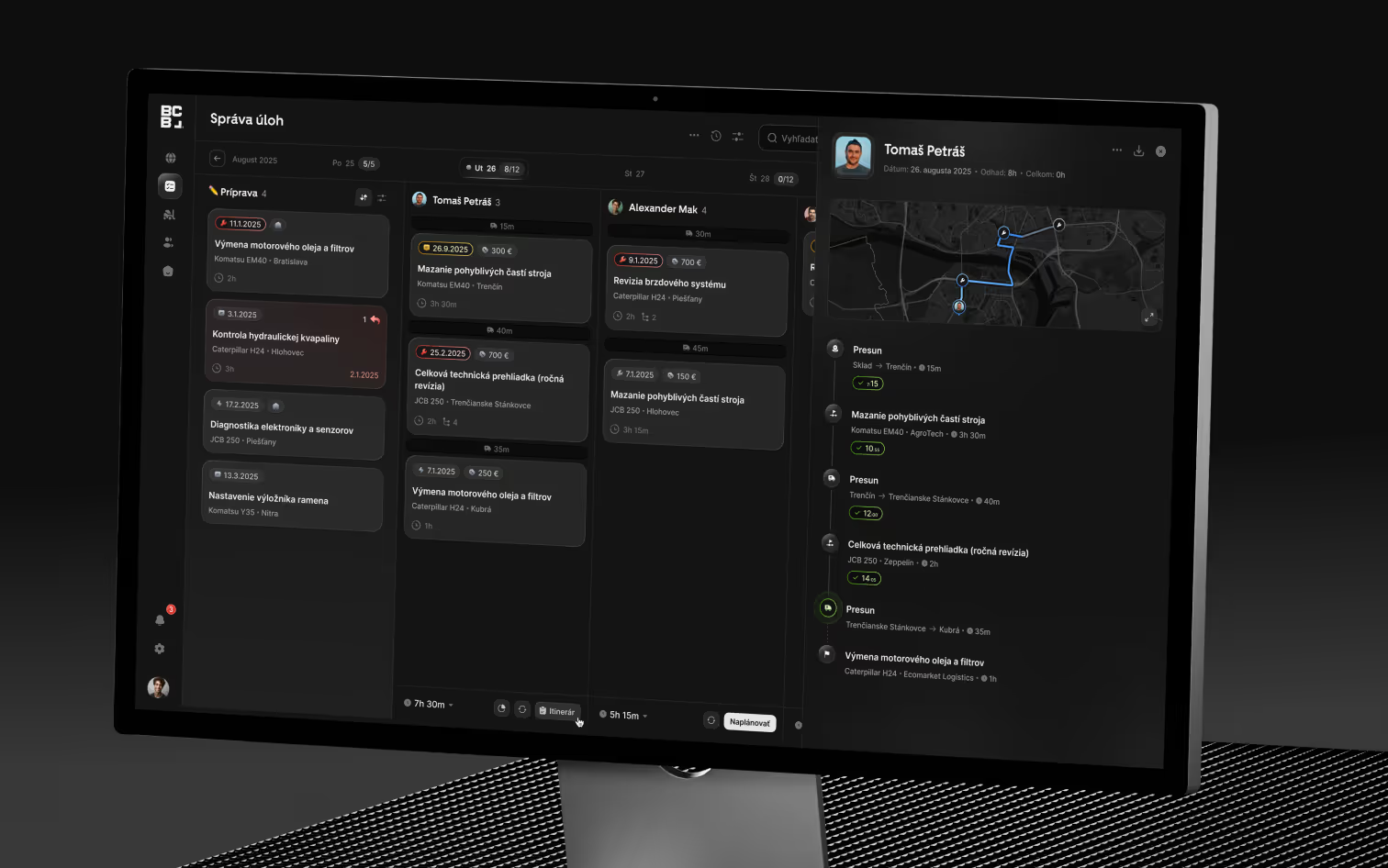
Reduced manual planning with automatically created service tasks.
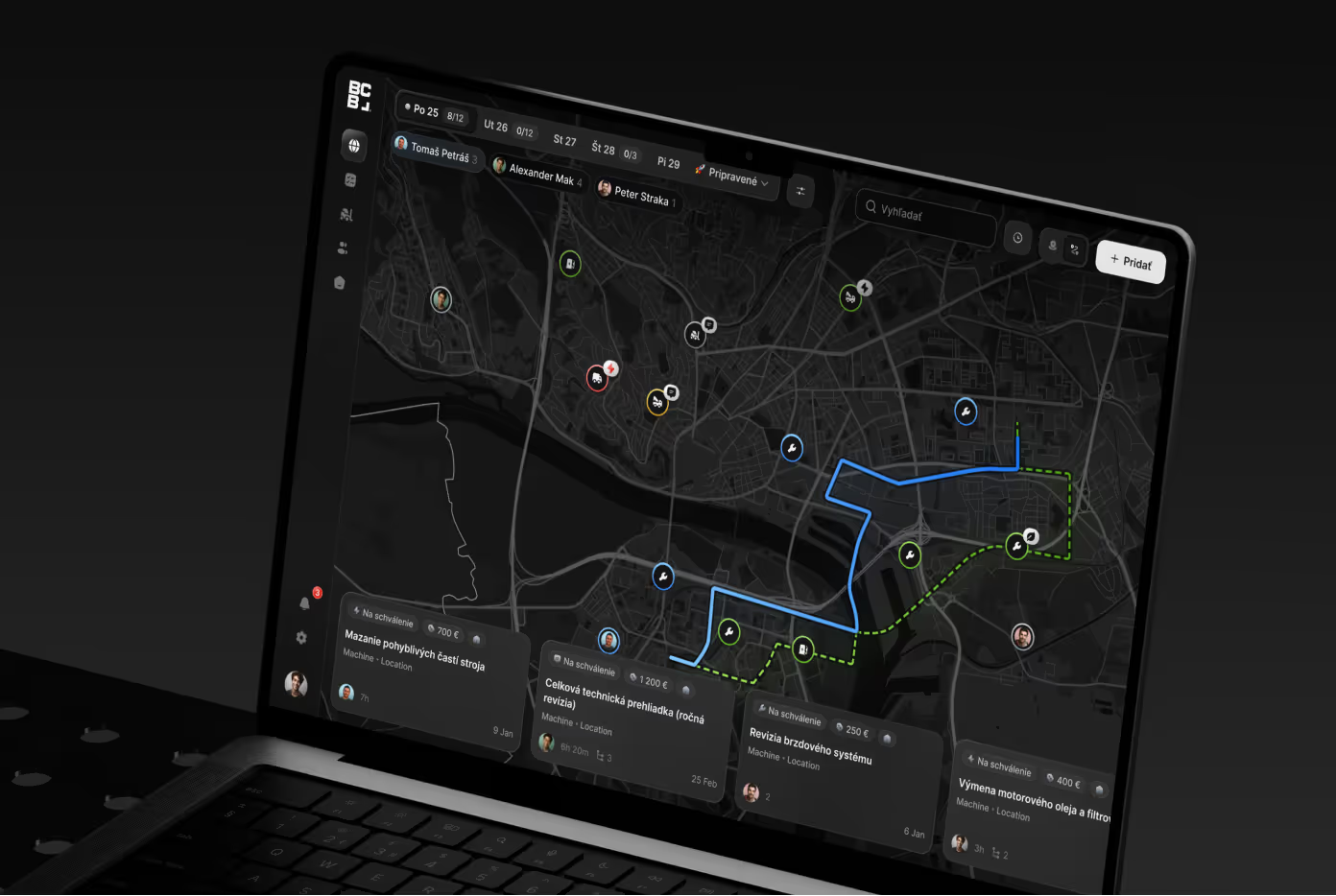
The platform uses operating hours to calculate service intervals and generate tasks. Managers can plan the work and give technicians a clear itinerary.
Task progress, attendance, and service records connect in the same workflow. That gives the team a shared history for each machine and helps keep planning out of scattered messages and paper files.
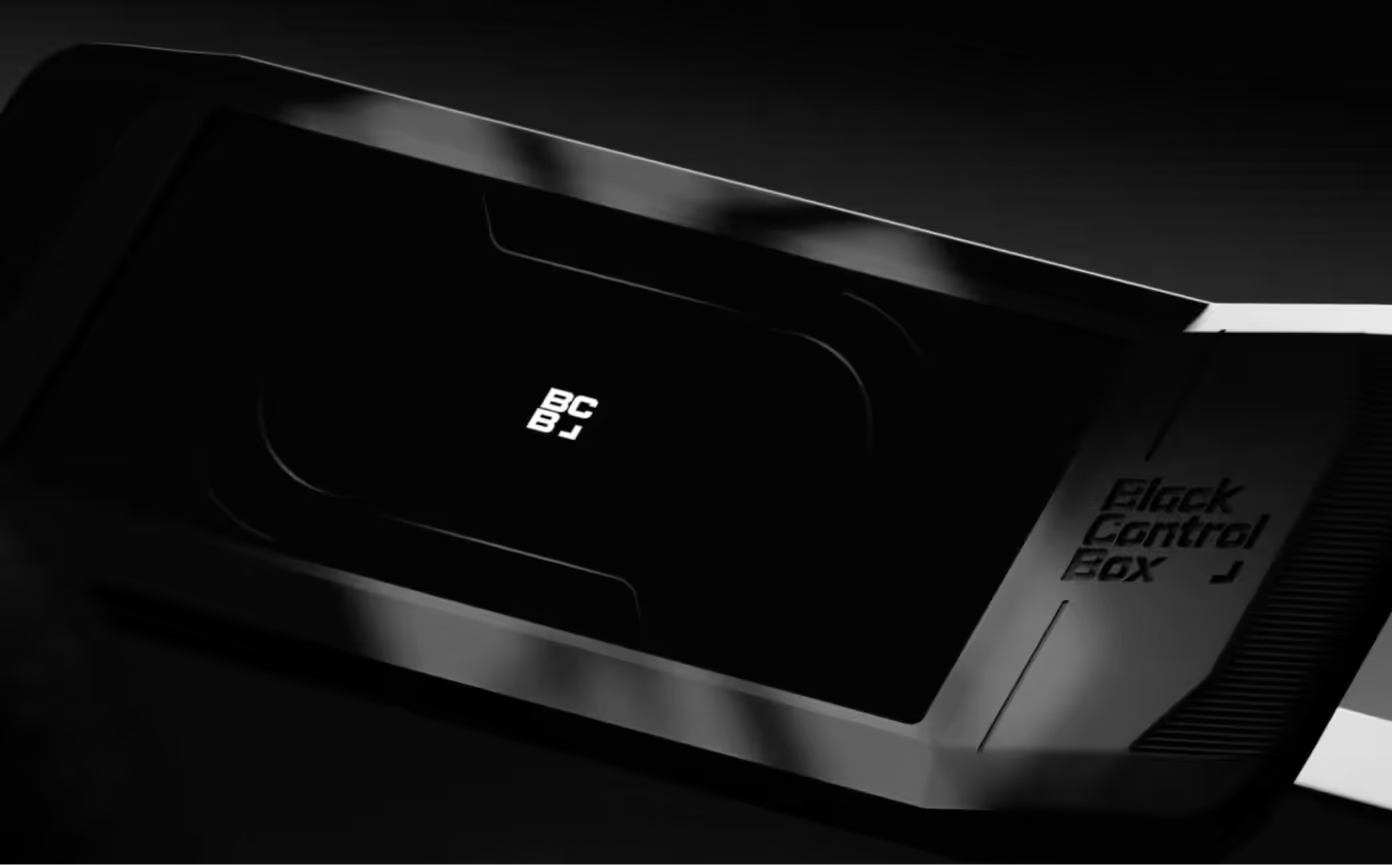
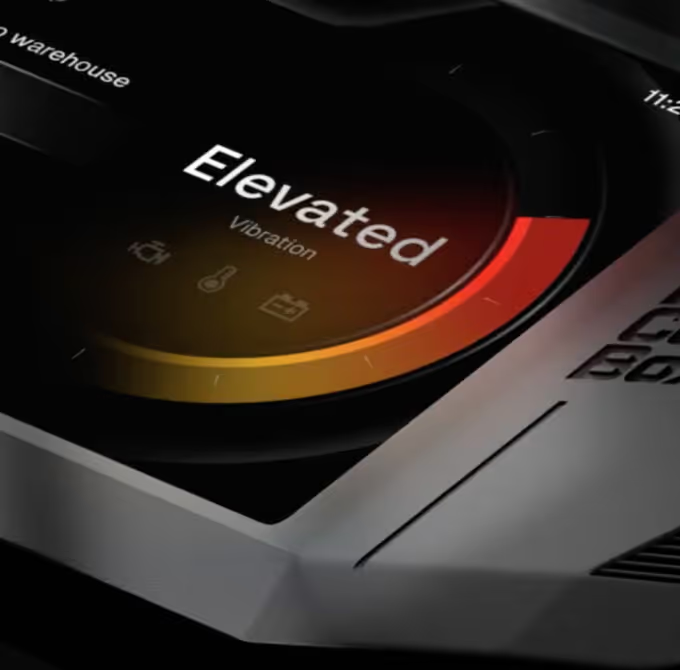
Made machine data useful for daily service decisions and planning.
The service manager needed a useful daily tool. We worked with the client and hardware partner to connect machine readings with the decisions and tasks that follow.
We tested the device connection alongside early interface designs, then refined the platform with the client. The same product direction carried through the web platform, machine display app, and supporting launch materials.
Understand the operation
Connect and build
Test and refine
Gave fleet owners control over who could operate each machine.
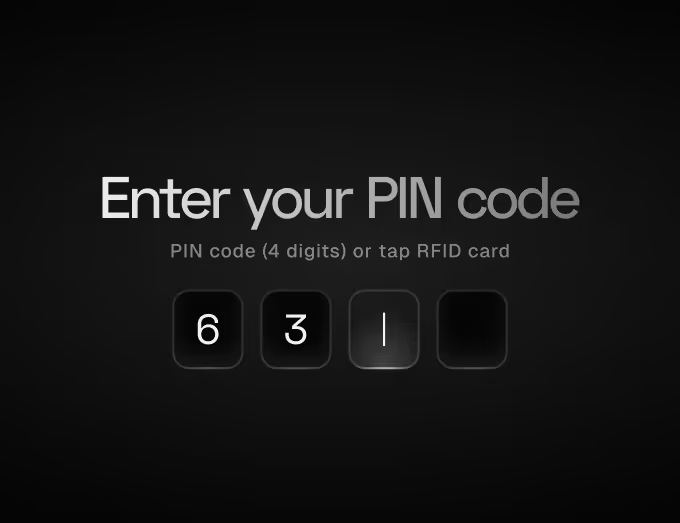
On supported hardware, drivers identify themselves through the machine’s display. The application then enables access, connecting the operator to the equipment they use.
We built the display app to stay in kiosk mode, keeping drivers within the intended controls. The connected hardware supports access restrictions and remote disabling, while additional sensors provide more information about machine use.


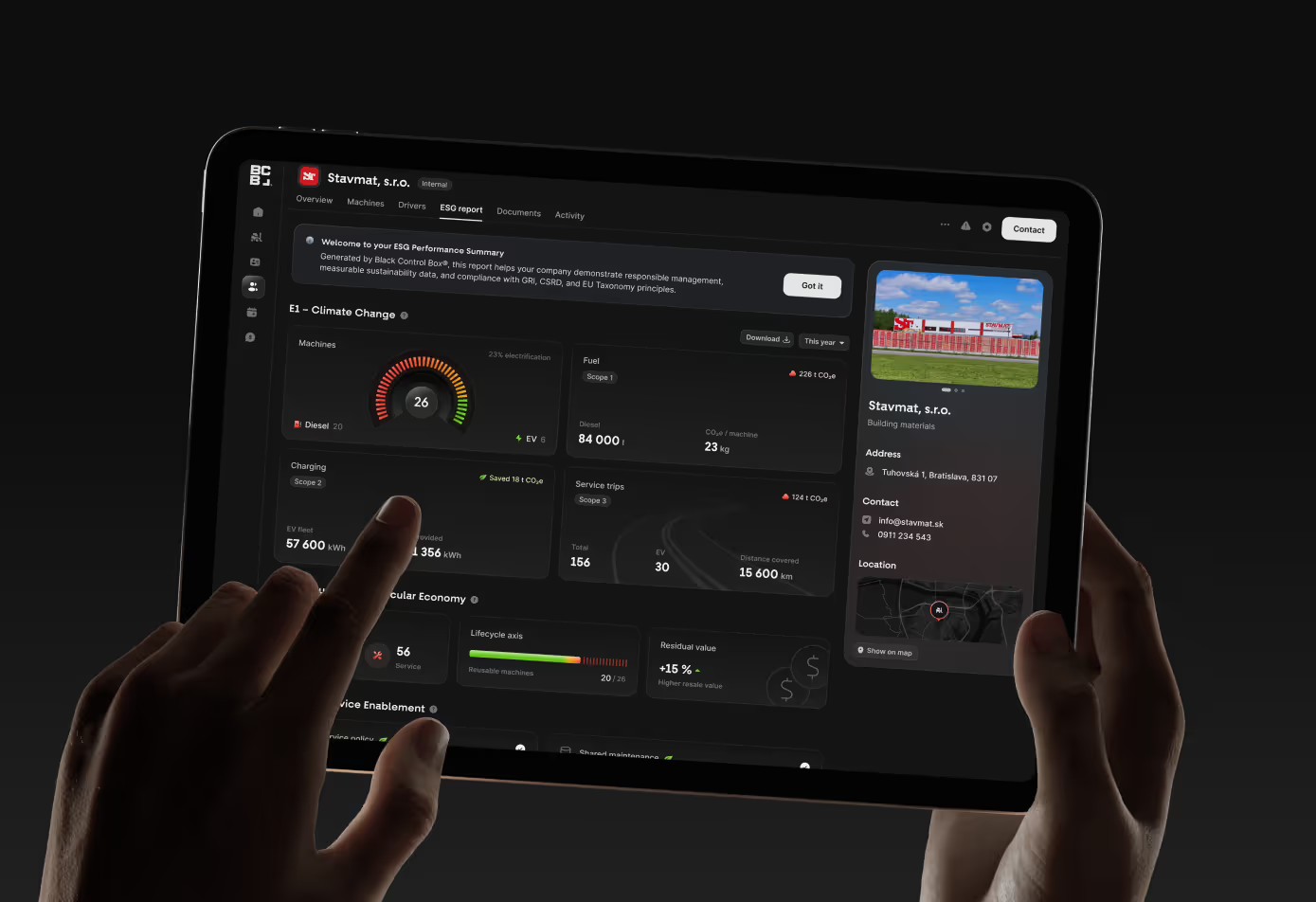
Made maintenance easier to manage with shared plans and service records.
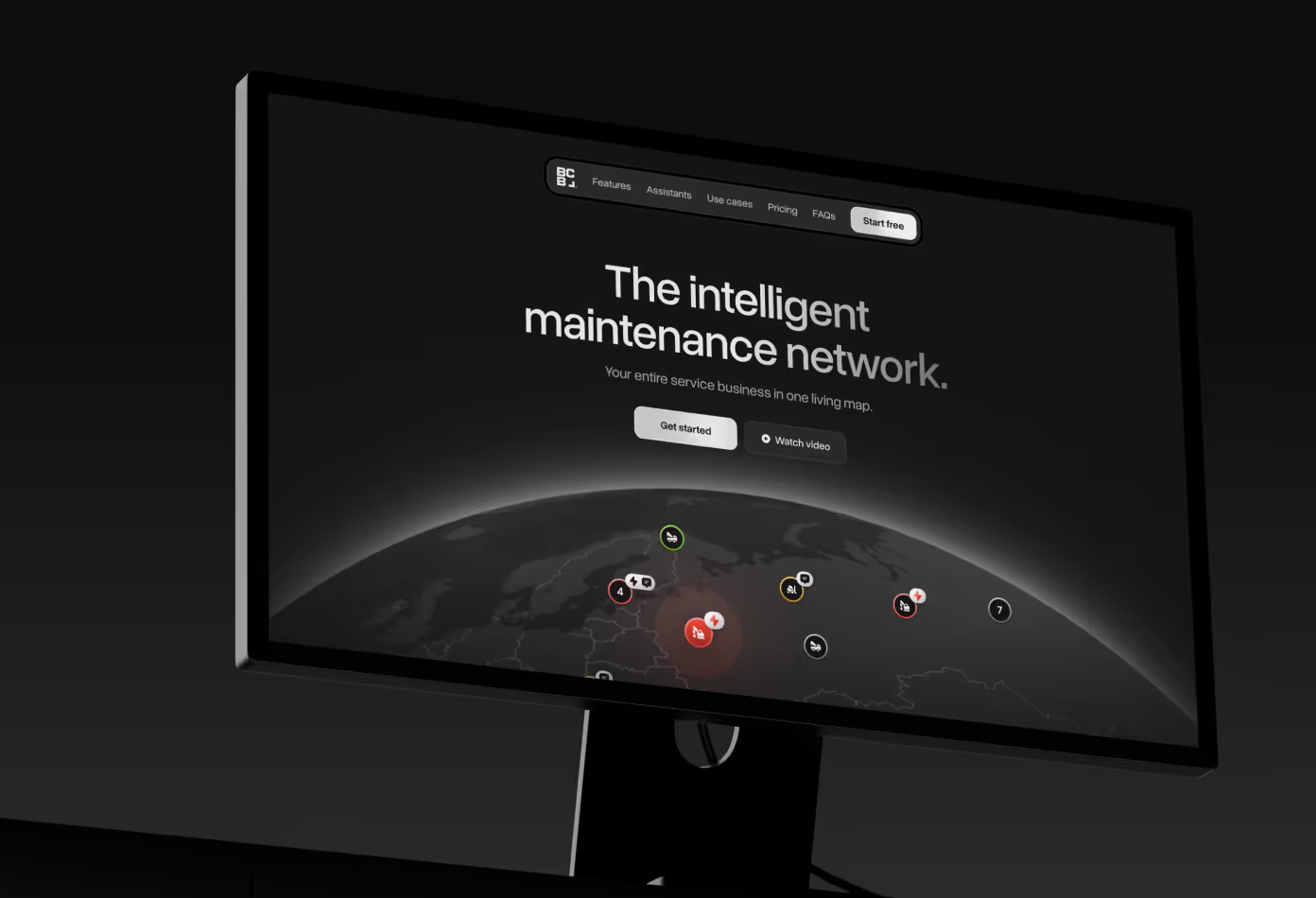
The modular platform was also designed for licensing, giving the client a foundation for offering the service to other businesses.