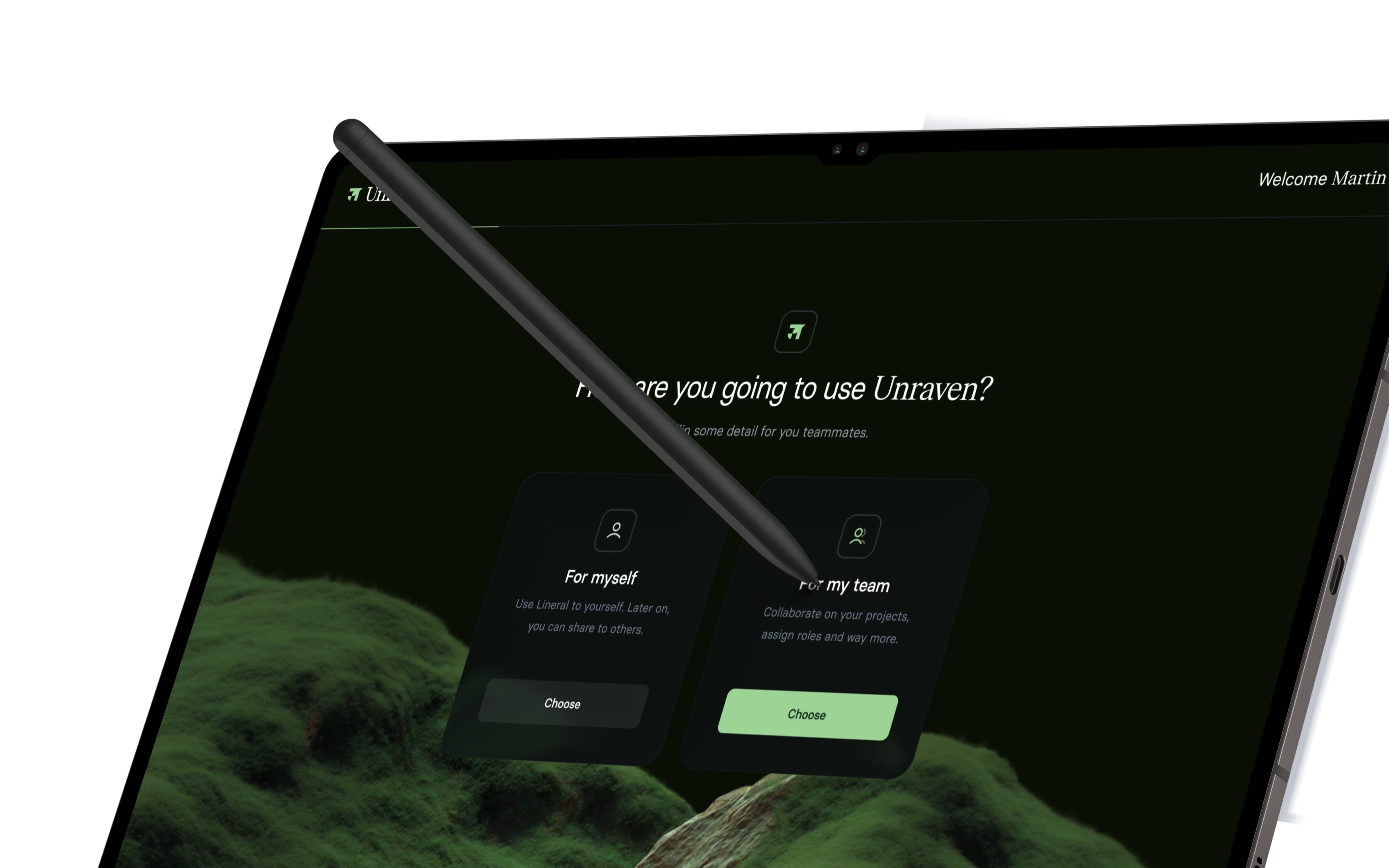
Shared secrets. Clear control.
Services
Naming and brand design
Product design
Software development
Product design
Software development
Tech Stack
Nuxt
Adonis.js
PostgreSQL
AWS
Chart.js
Adonis.js
PostgreSQL
AWS
Chart.js
Client
Unraven
Capabilities
Type
Unraven helps small teams manage passwords, API keys, and other shared credentials. We created its brand and software, bringing storage, sharing, access controls, and activity records into one product.
Teams get a practical way to manage sensitive information without lengthy setup. The business gains a complete product that connects with the tools its customers already use.
Teams get a practical way to manage sensitive information without lengthy setup. The business gains a complete product that connects with the tools its customers already use.
Key outcomes
- One place to manage shared credentials
- Access controls and activity records
- Connections to existing developer tools
- Product design and development from the ground up
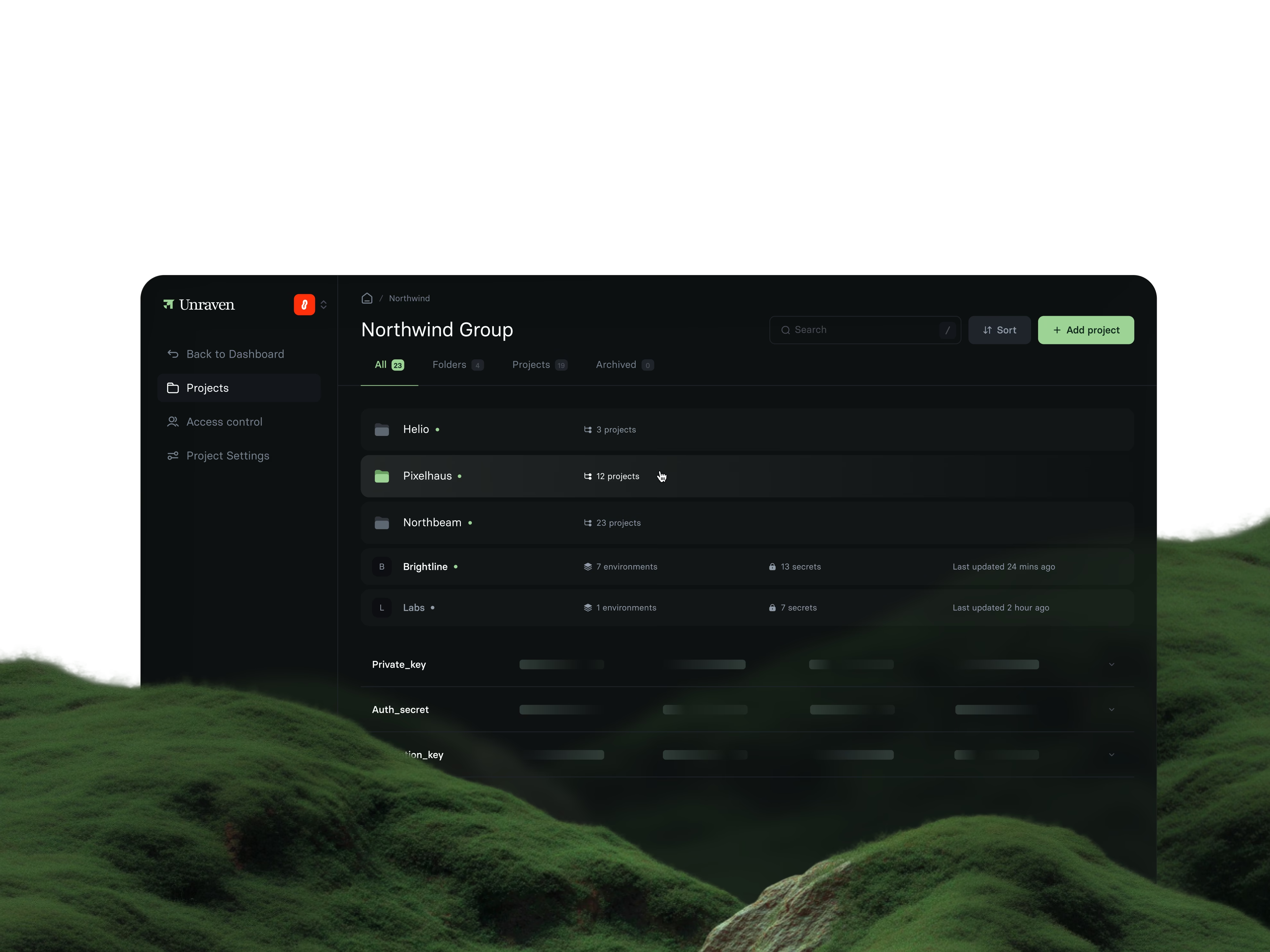

Simplified credential management without changing the team’s everyday tools.
Better credential management should fit into everyday work. Unraven connects with tools developers already use, helping teams adopt it without rebuilding their routines.
Connections for CI workflows, AWS, Docker, and VSCode put secrets where teams need them. Command-line access supports daily development alongside the shared workspace.

Gave teams control over shared credentials and a record of access.
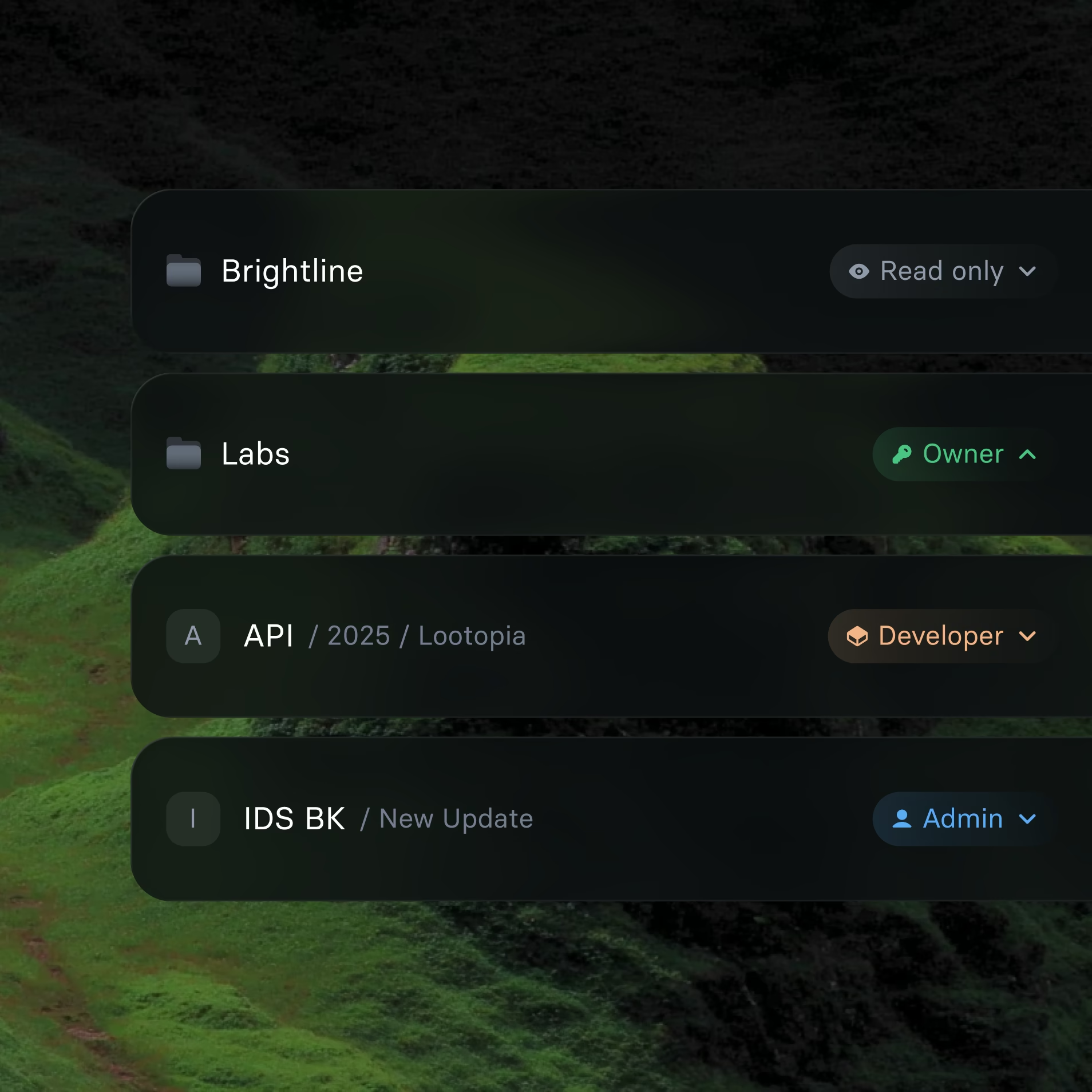
Teams need to share credentials without losing control of them. We built access management and activity records into the core experience.
Role-based permissions, two-factor authentication, single sign-on, and IP restrictions support different team needs. Clear controls help people understand access without making the whole product difficult to use.
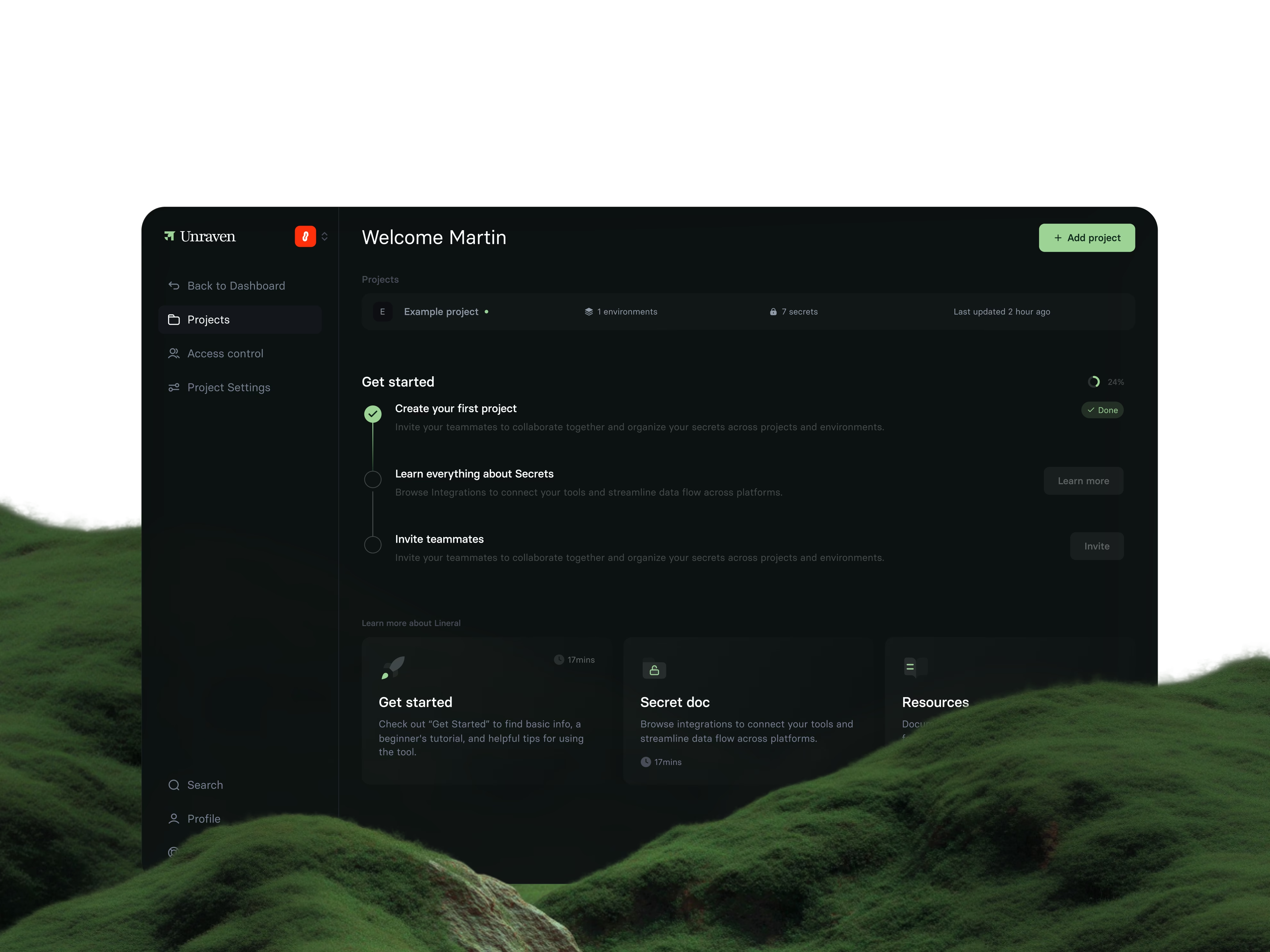

Made access controls easier for smaller teams to set up and use.
We shaped the product around smaller teams that need useful controls without lengthy setup. Naming, design, and development all supported that goal.
Define the essentials
We focused the product on the access, sharing, and integration needs of smaller teams.
Design and build
We created the name, brand, interface, and software as one connected experience, with clear routes through the main tasks.
Refine the controls
We worked through access permissions, activity tracking, and team workflows while keeping onboarding straightforward.
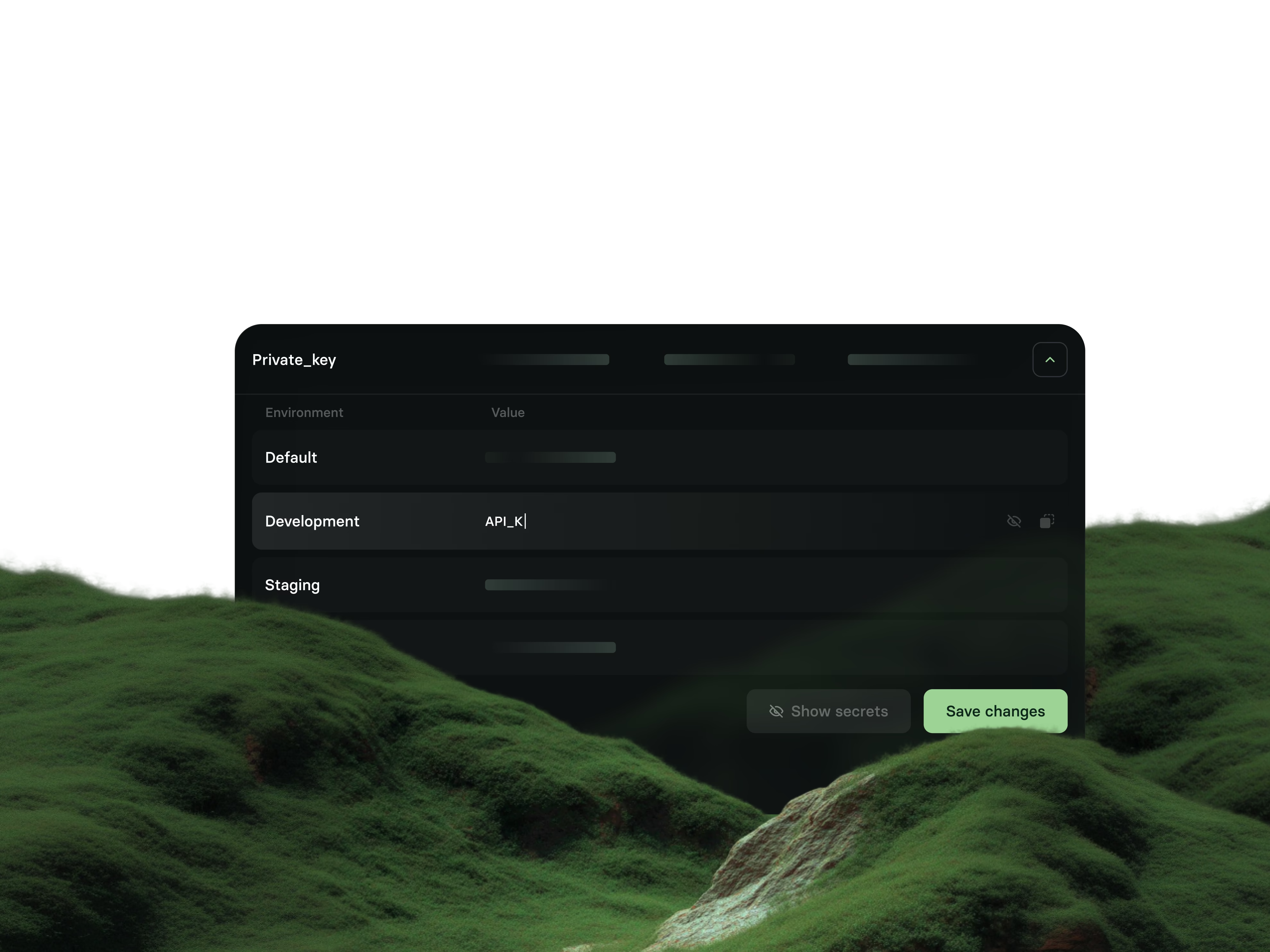
Made credential sharing manageable without a dedicated security team.
Unraven brings credential storage, sharing, and access controls into one product. Teams can keep using familiar development tools while managing their secrets through a shared system.
We designed and built the experience to make those controls approachable for teams without a dedicated security department.
We designed and built the experience to make those controls approachable for teams without a dedicated security department.
4
Core integrations
Shared access
Credentials organised around teams and projects
Clear records
Activity logs for visibility over access