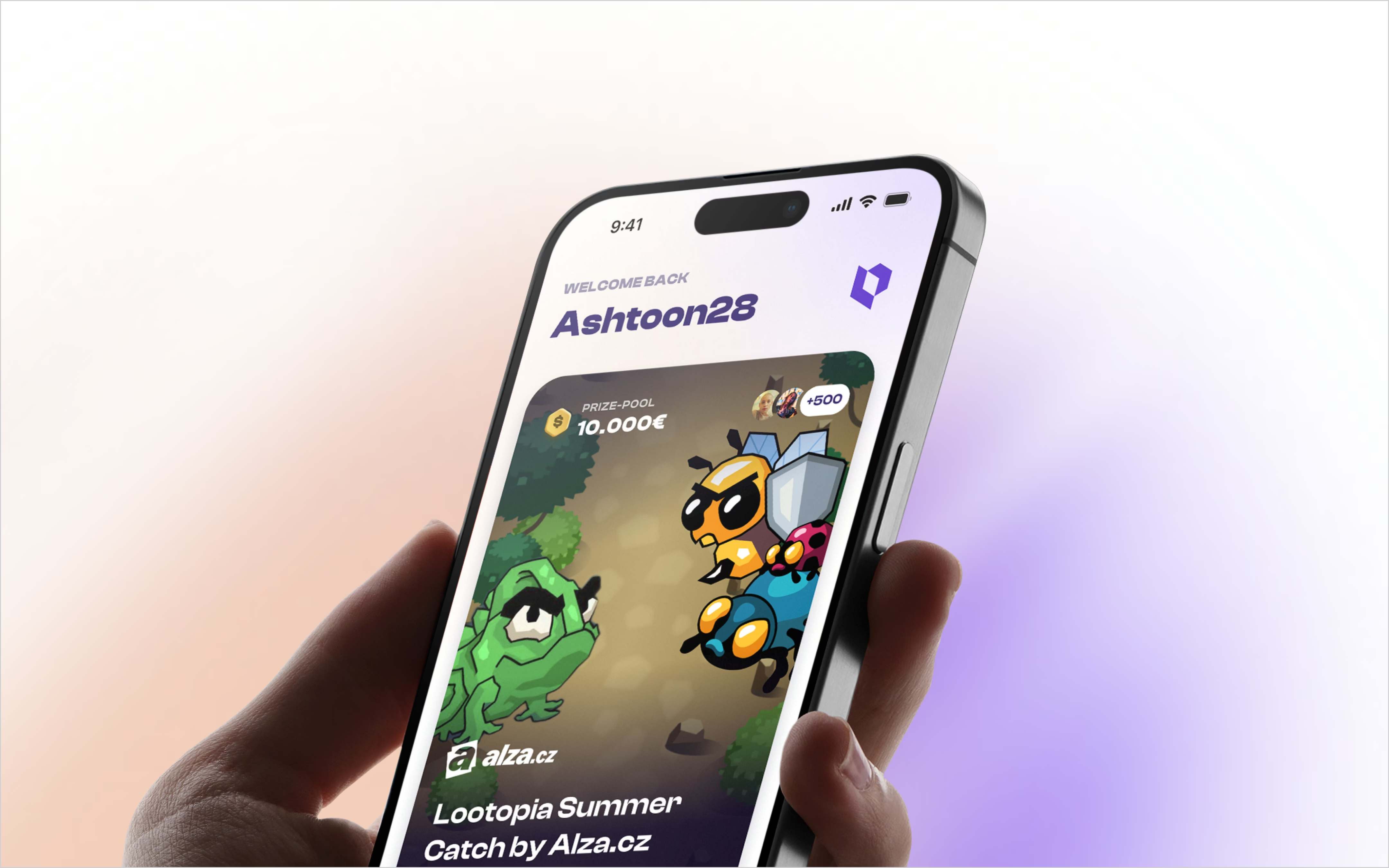
From naming and brand to a live gaming product
Services
Naming
Brand design
UX / UI Design
Frontend Development
Backend Development
Game Design & Development
Brand design
UX / UI Design
Frontend Development
Backend Development
Game Design & Development
Tech Stack
Flutter & Flame engine
Vue 3 + Nuxt 3
TypeScript
Node.js
AdonisJS
PostgreSQL
Redis
AWS
Vue 3 + Nuxt 3
TypeScript
Node.js
AdonisJS
PostgreSQL
Redis
AWS
Client
Questim
Timeframe
6 months
Links
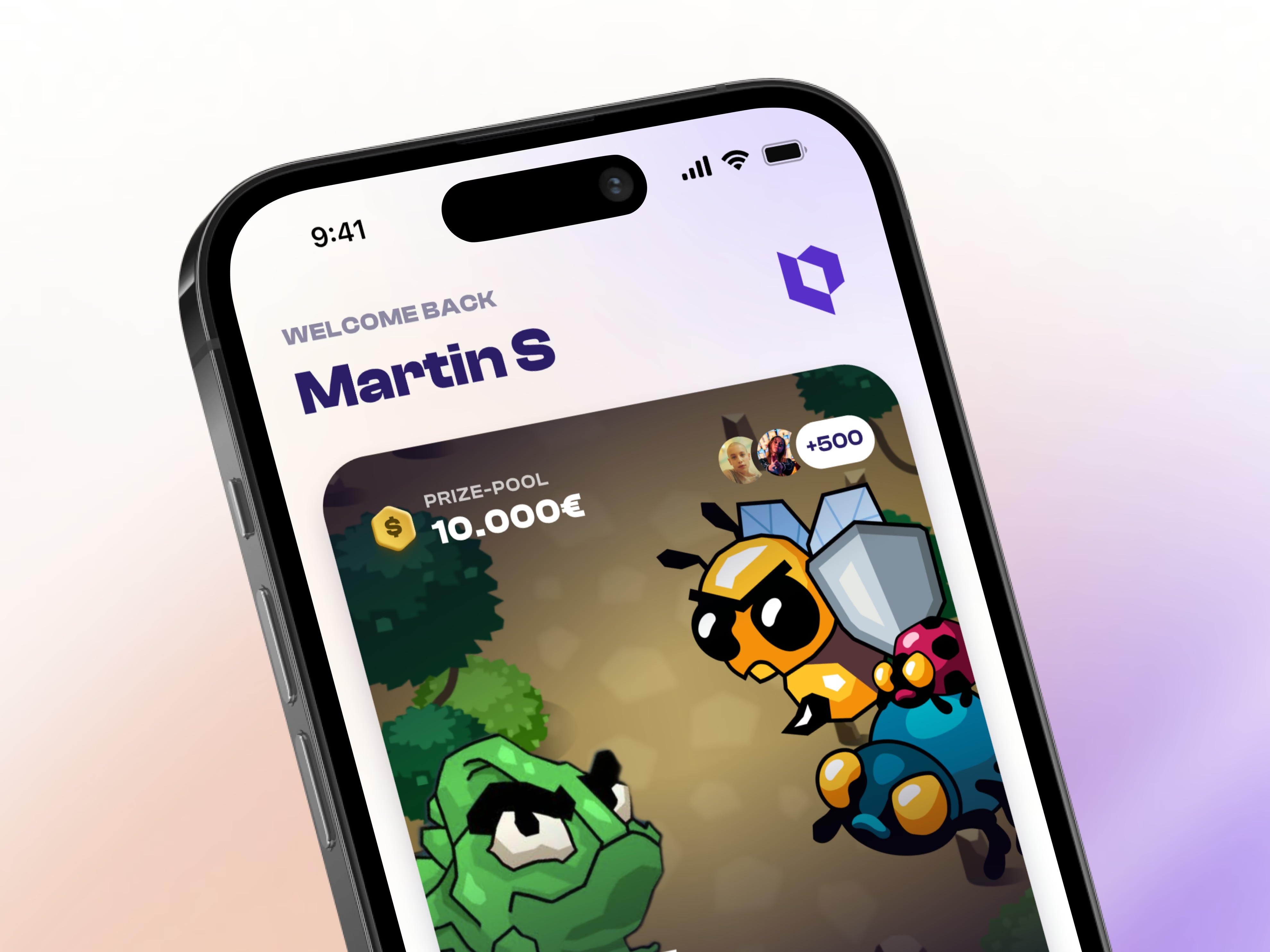
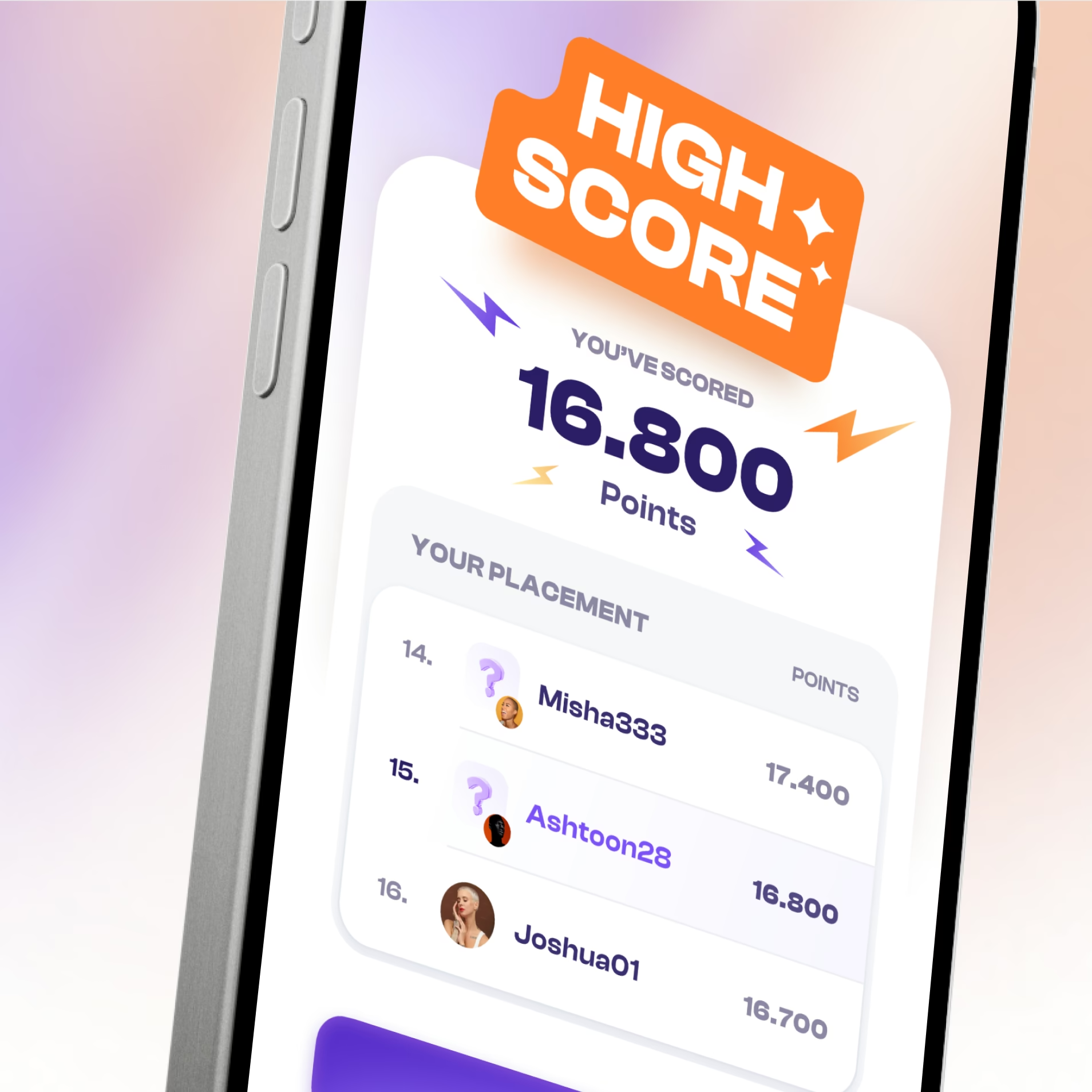
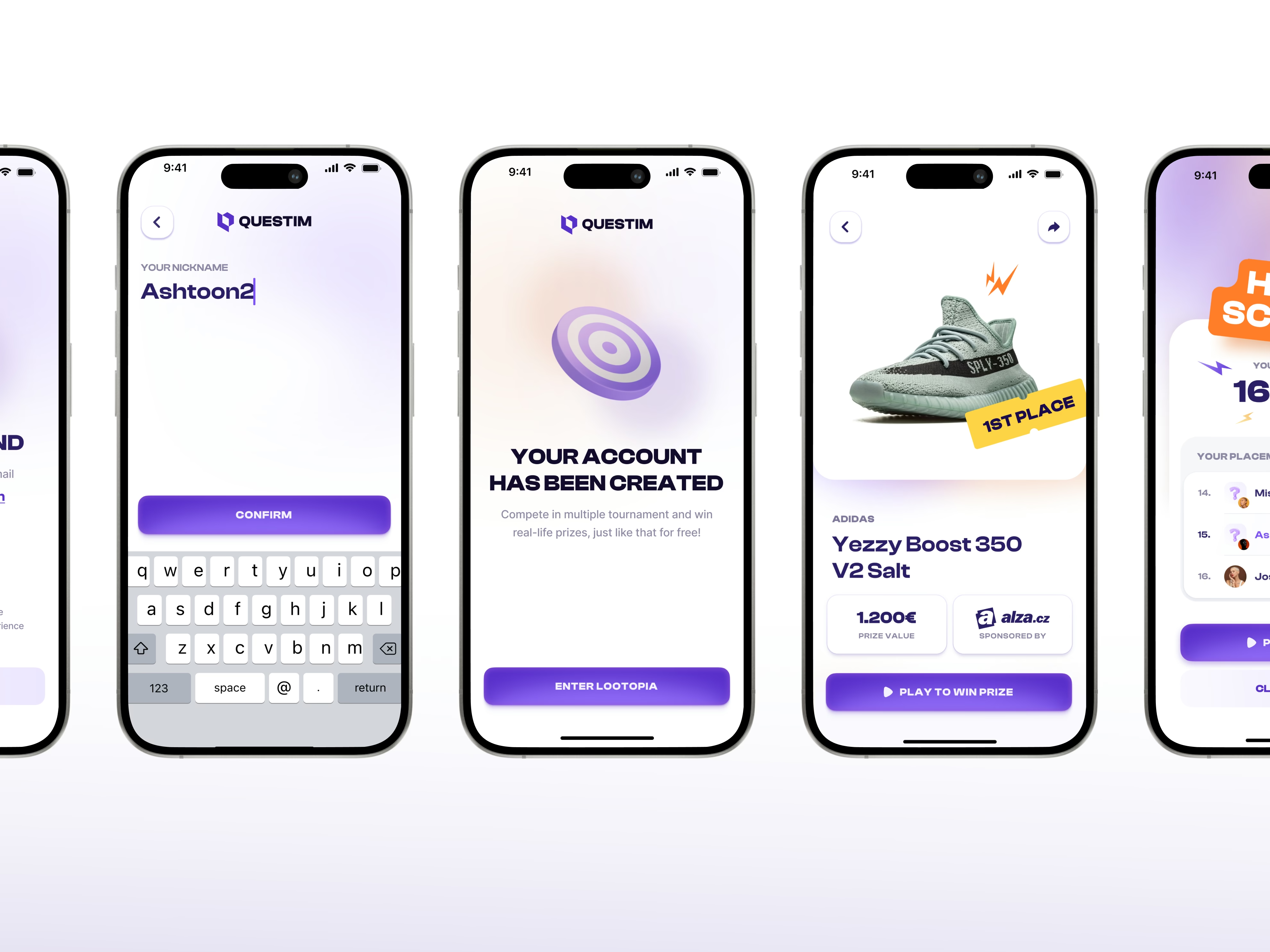
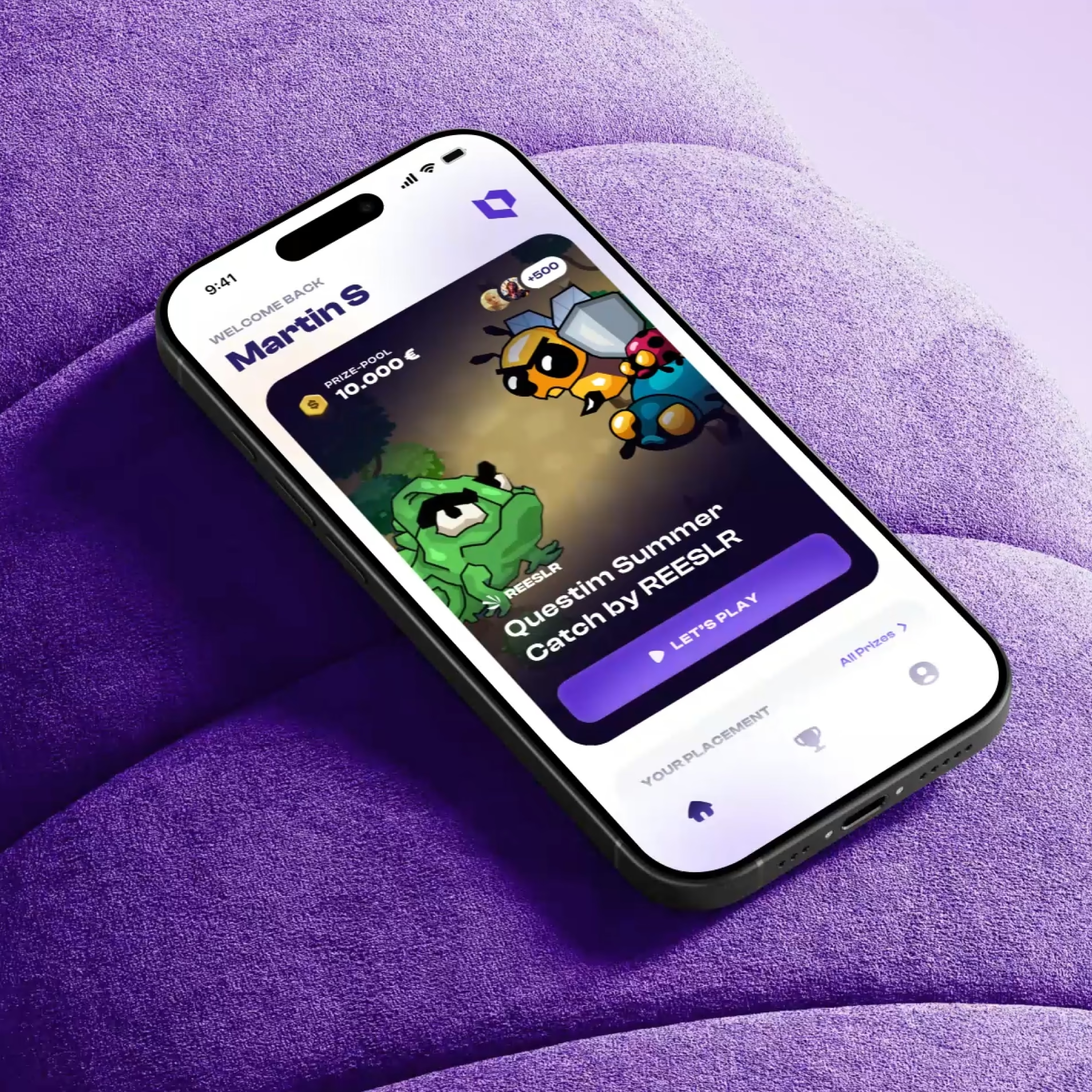
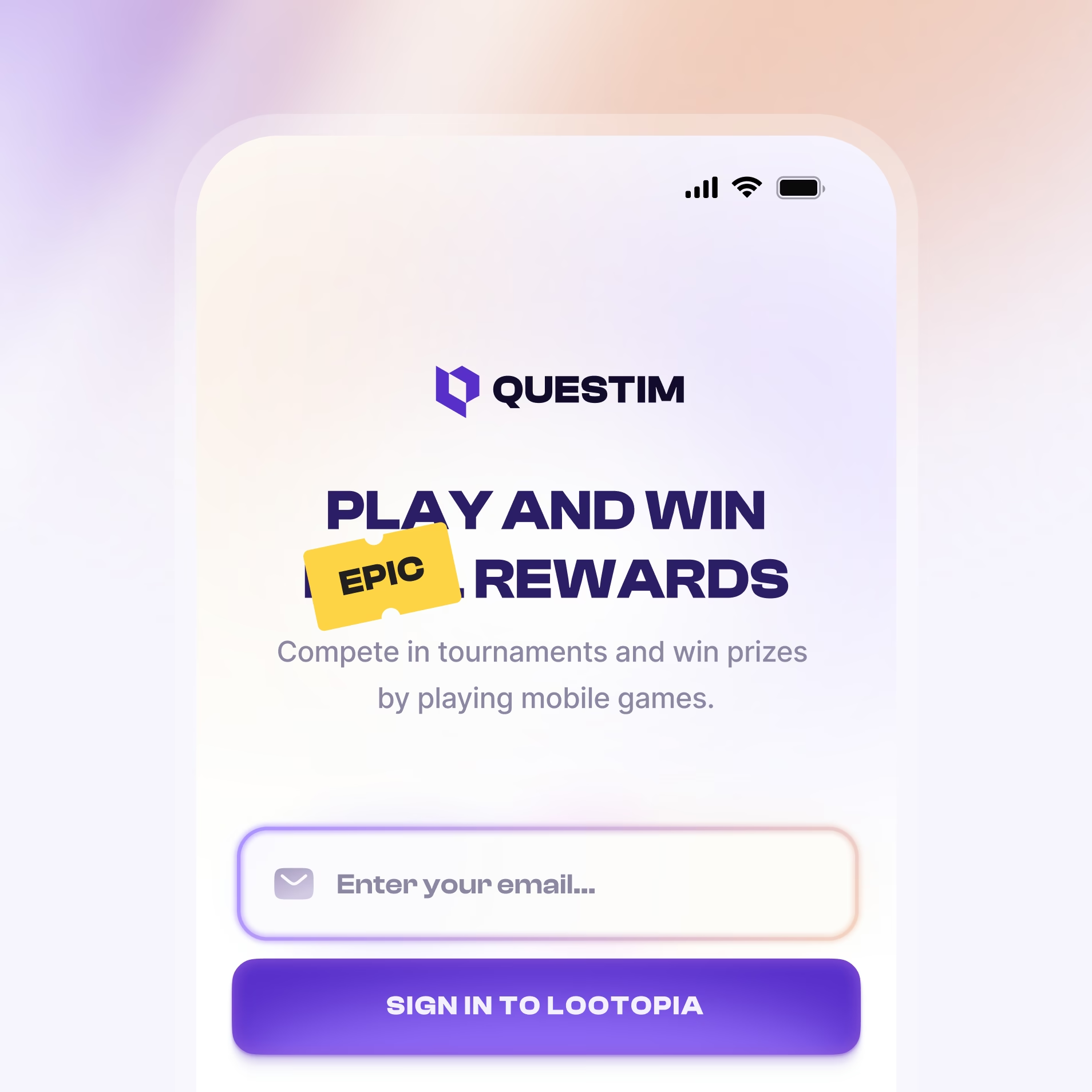
Questim is a mobile gaming platform built around skill-based tournaments where players compete for real prizes without entry fees or paywalls.
The product was designed to make competitive play feel fair, accessible, and trustworthy from the very first interaction.
Our role was to take the client from an early-stage idea through naming, brand identity, product design, game design, and development to a launch-ready ecosystem.
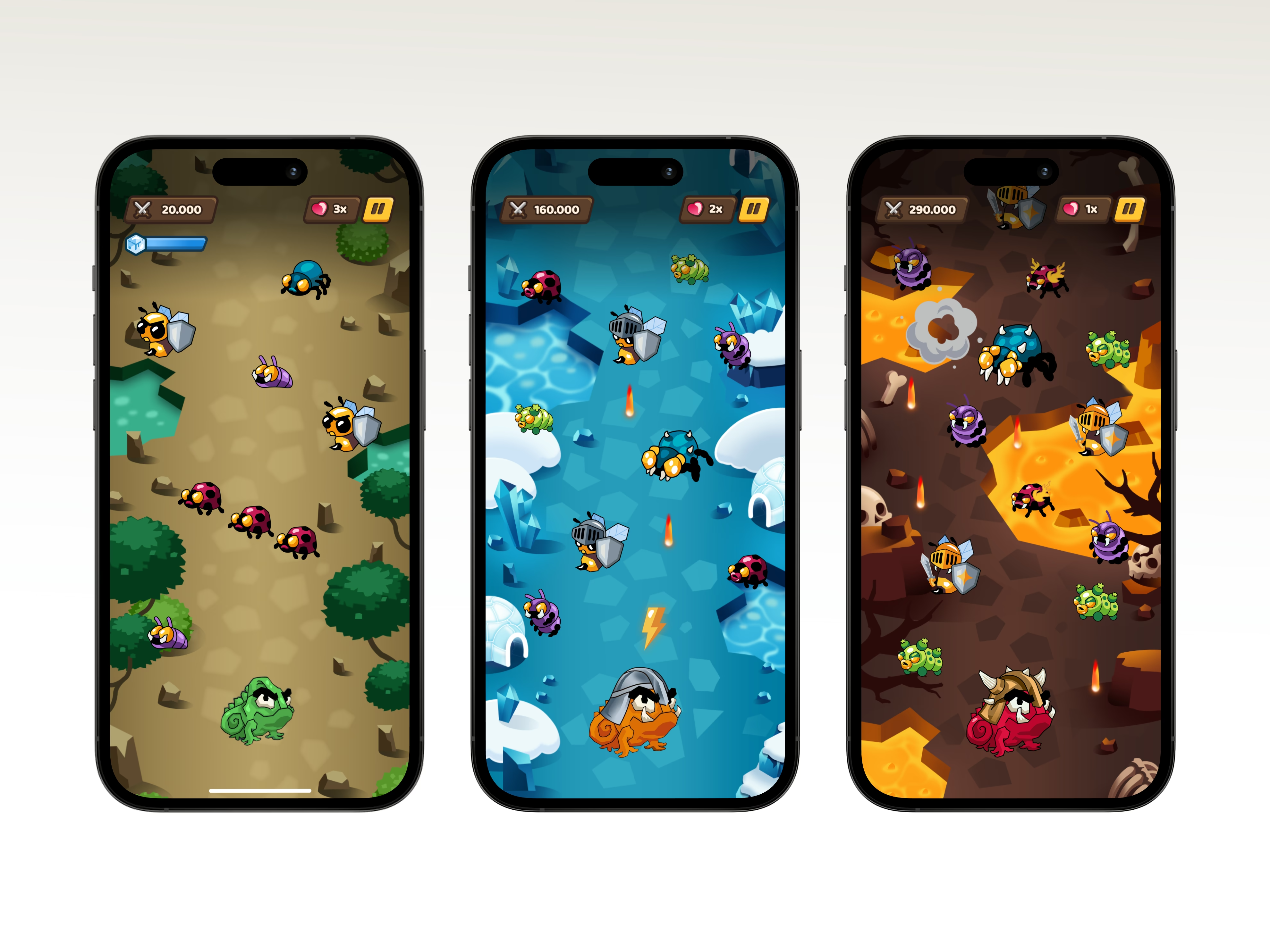
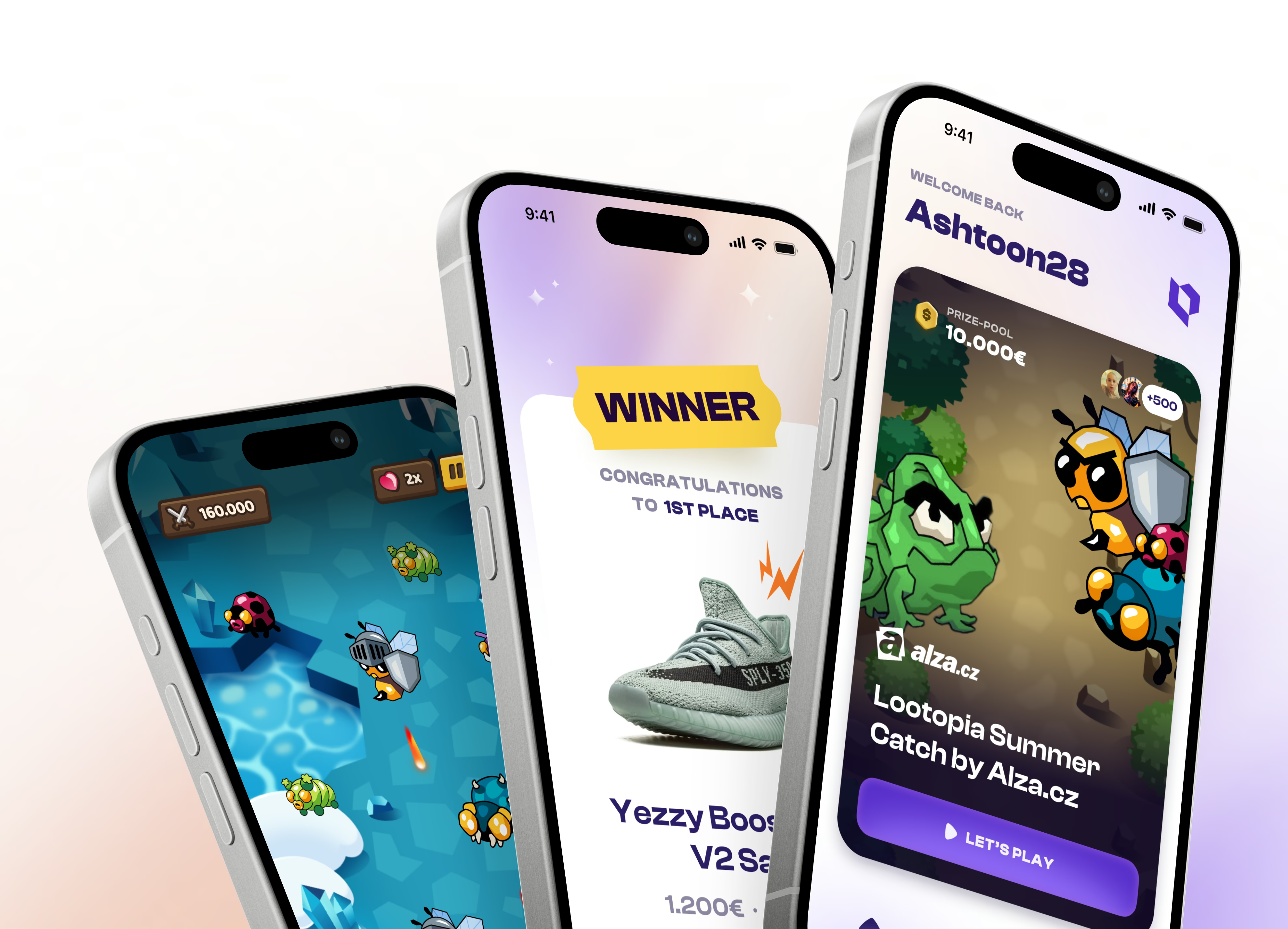
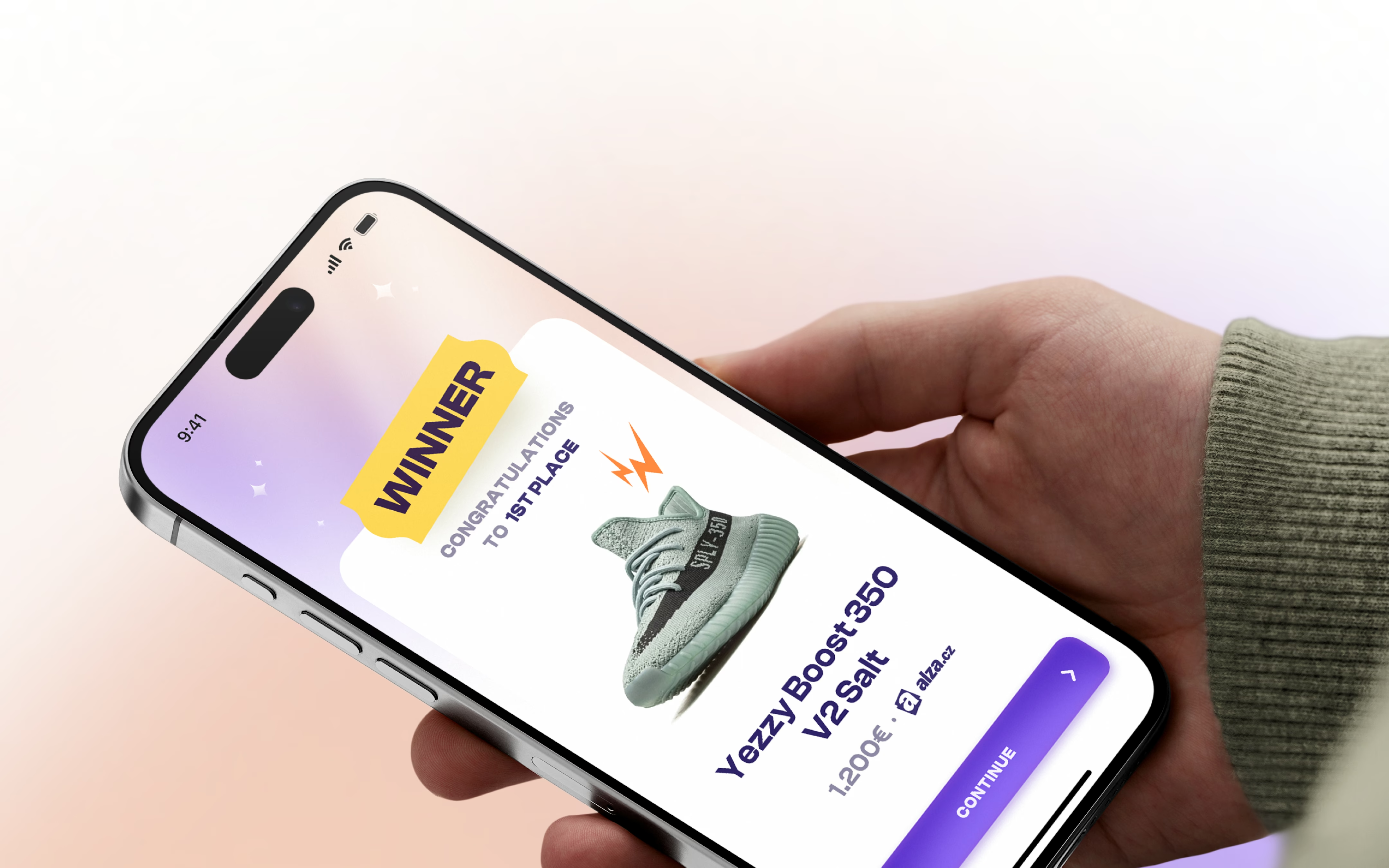
That included the mobile app, the in-app game, the tournament and advertising management system, and the back-office platform that runs it all.
The product was designed to make competitive play feel fair, accessible, and trustworthy from the very first interaction.
Our role was to take the client from an early-stage idea through naming, brand identity, product design, game design, and development to a launch-ready ecosystem.
That included the mobile app, the in-app game, the tournament and advertising management system, and the back-office platform that runs it all.
Key outcomes
- Complete brand + product ecosystem
- Launched across CEE markets in Phase 1
- Thousands of players within the first weeks
- Anti-cheat shipped on a tight budget

Trust had to be designed into the product.


Securing fair play without overengineering.


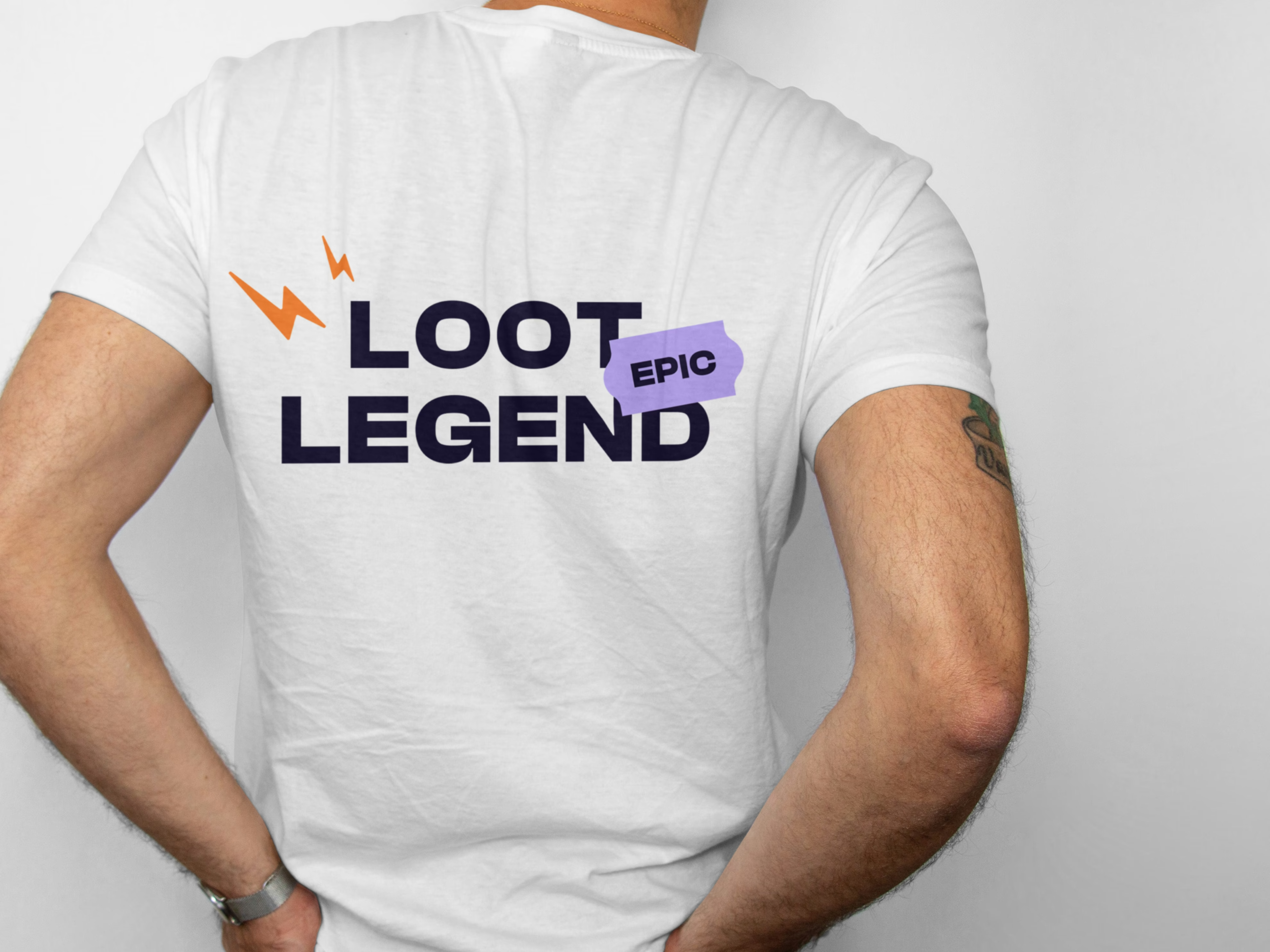
A visual identity built to feel alive.


Defining the MVP under budget pressure.
The vision behind Questim was broad from the beginning, but the available budget required a disciplined definition of what the first real version had to include.
The product combined a mobile app, the game itself, tournaments, prizes, advertising logic, reporting, and back-office operations. That meant the challenge was not only deciding what to build, but what not to build yet.
We split delivery into phases, protected the product core, and helped the client separate the features needed for launch from the ideas that could wait. That kind of prioritization was essential to making the ambition executable rather than letting scope overwhelm delivery.
The product combined a mobile app, the game itself, tournaments, prizes, advertising logic, reporting, and back-office operations. That meant the challenge was not only deciding what to build, but what not to build yet.
We split delivery into phases, protected the product core, and helped the client separate the features needed for launch from the ideas that could wait. That kind of prioritization was essential to making the ambition executable rather than letting scope overwhelm delivery.
Naming, Brand
& Product Definition
The project began with naming and brand development. We explored several rounds of name proposals, validated shortlisted options with native speakers, and checked trademark availability.
In parallel, we shaped the brand direction through mood boards and early design exploration, then translated that foundation into MVP thinking around onboarding, trust, tournaments, and the first playable experience.
Design, Game
& Platform Development
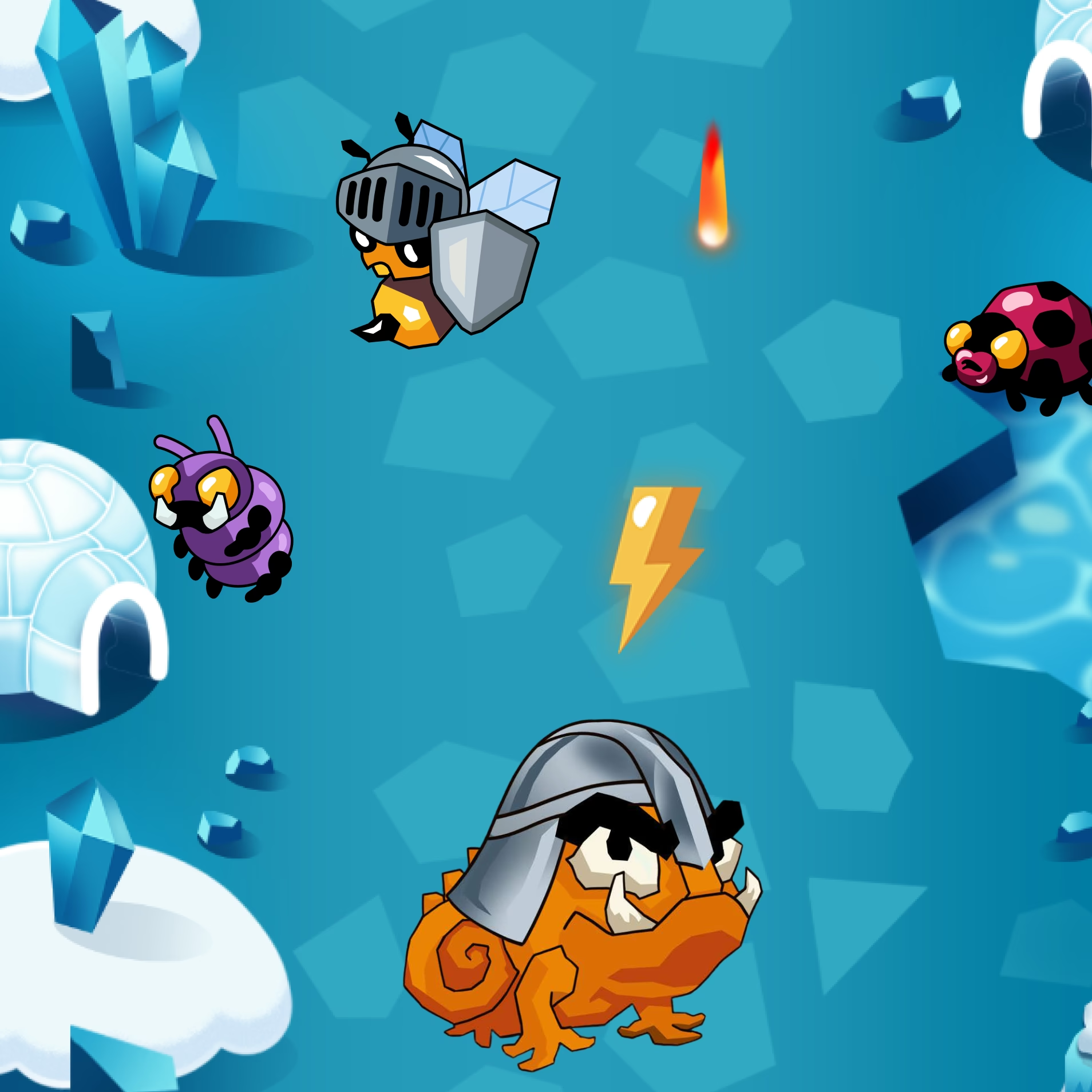
The next phase focused on turning the concept into a working ecosystem: the mobile app, the in-app game, tournament and prize logic, advertiser workflows, and the back-office system behind it.
The design process moved through multiple iterations, while development brought together gameplay, ads, user accounts, moderation, reporting, and operational controls into one connected product.
Go-to-Market
& Support
As delivery progressed, the work shifted toward phase-based prioritization, edge-case handling, anti-cheat protection, client testing, and launch preparation.
The first phase delivered a functional ecosystem ready for market, while later work focused on strengthening the product core, refining features, and supporting post-launch evolution.

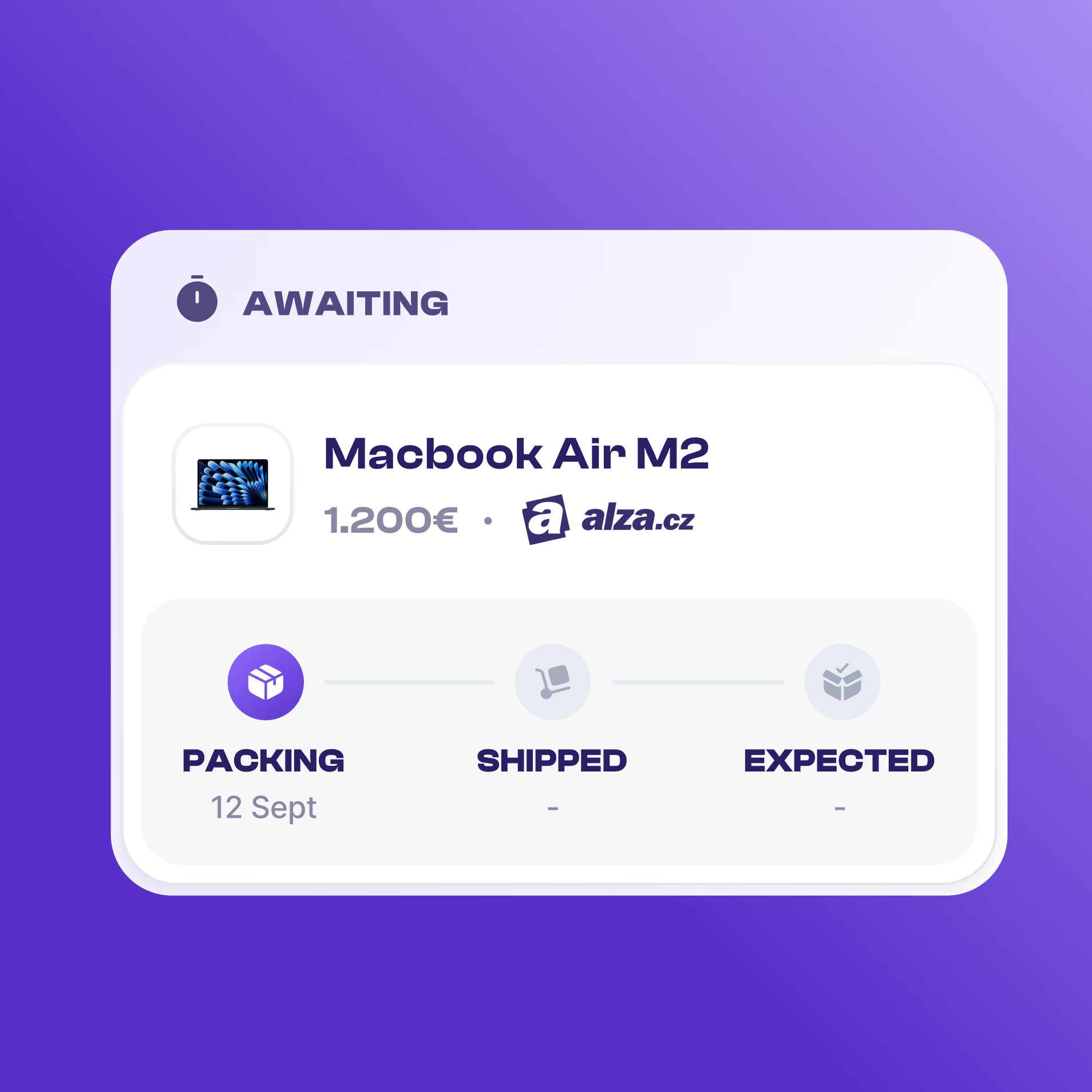
One system for tournaments, ads, prizes, and players.


"Outloud has delivered visible outcomes at every step of the project, including the app's name, wireframes, and functional product.
Outloud's design skills are outstanding."

Flutter as a practical cross-platform foundation
Flutter gave Questim an efficient way to deliver one product experience across platforms without splitting effort into separate native builds.
For a product that combined a mobile application and an in-app game, cross-platform consistency mattered both financially and operationally. Flutter made it possible to maintain one shared codebase for the app, while the Flame engine extended that setup for game development.
That reduced overhead, improved alignment between product and engineering, and created a more practical foundation for iterative release work. For an ambitious product under budget pressure, that efficiency was not a technical detail. It was part of what made the whole delivery model viable.
For a product that combined a mobile application and an in-app game, cross-platform consistency mattered both financially and operationally. Flutter made it possible to maintain one shared codebase for the app, while the Flame engine extended that setup for game development.
That reduced overhead, improved alignment between product and engineering, and created a more practical foundation for iterative release work. For an ambitious product under budget pressure, that efficiency was not a technical detail. It was part of what made the whole delivery model viable.
Thousands
Players within the first weeks
4
Tournaments hosted
1
Ecosystem