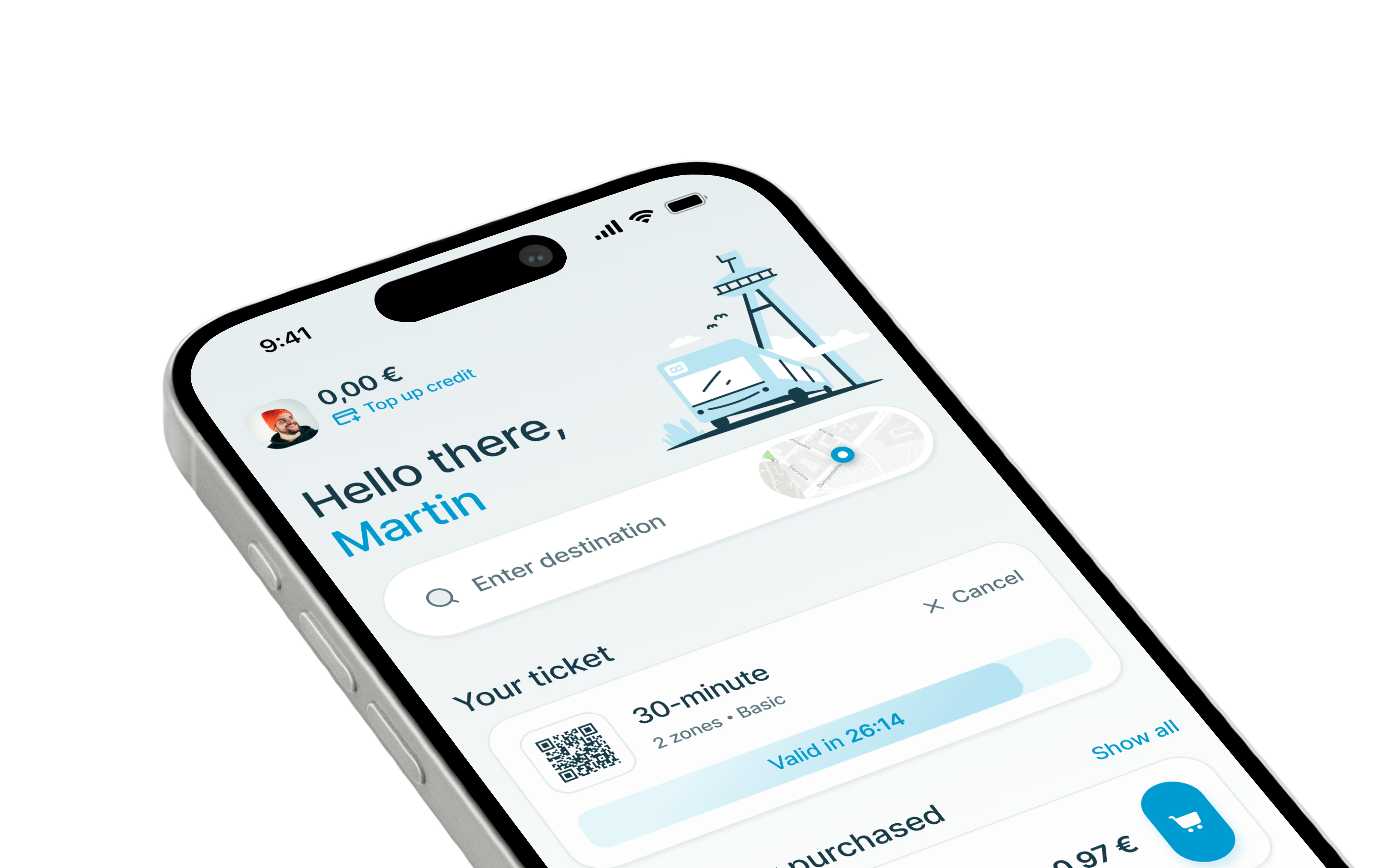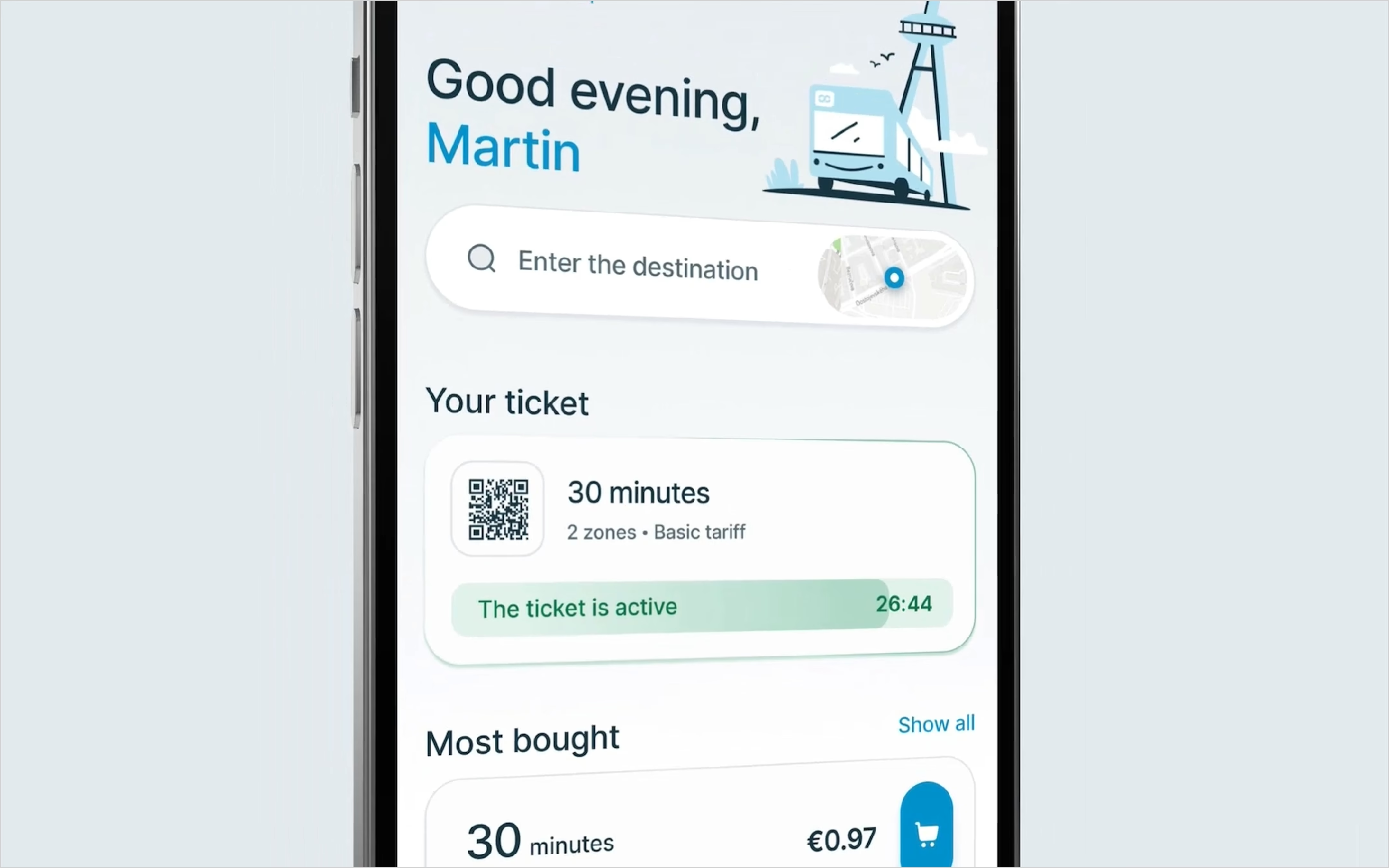
Designed ticket buying in two taps, without signup.
Product design
Design system
Research and passenger testing shaped clearer routes, saved tickets, and easier navigation, giving IDS BK a tested design that makes its service easier to use and a consistent foundation for future improvements.
- 30 passenger interviews informing the redesign
- Ticket purchase designed around a two-tap flow
- Access without mandatory registration
- Saved routes and familiar journeys easier to find
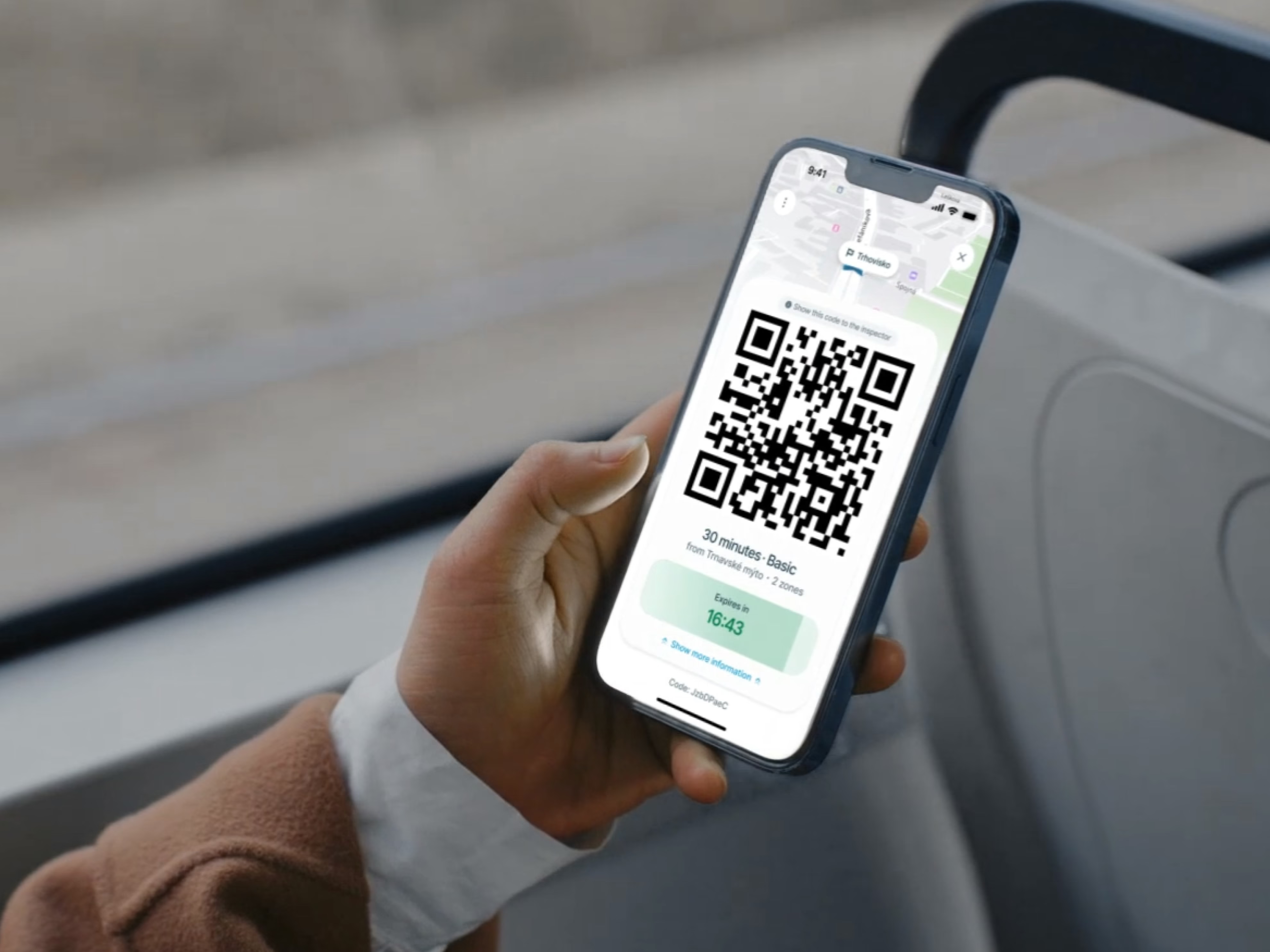
Prioritised the changes that made travel easier.
We reviewed the existing app and spoke with passengers about their routines. Their everyday frustrations helped us decide what needed to change.
The research included regular commuters, occasional users, and people who had never used the app. We combined those conversations with analytics and competitor research to identify the journeys worth simplifying first.
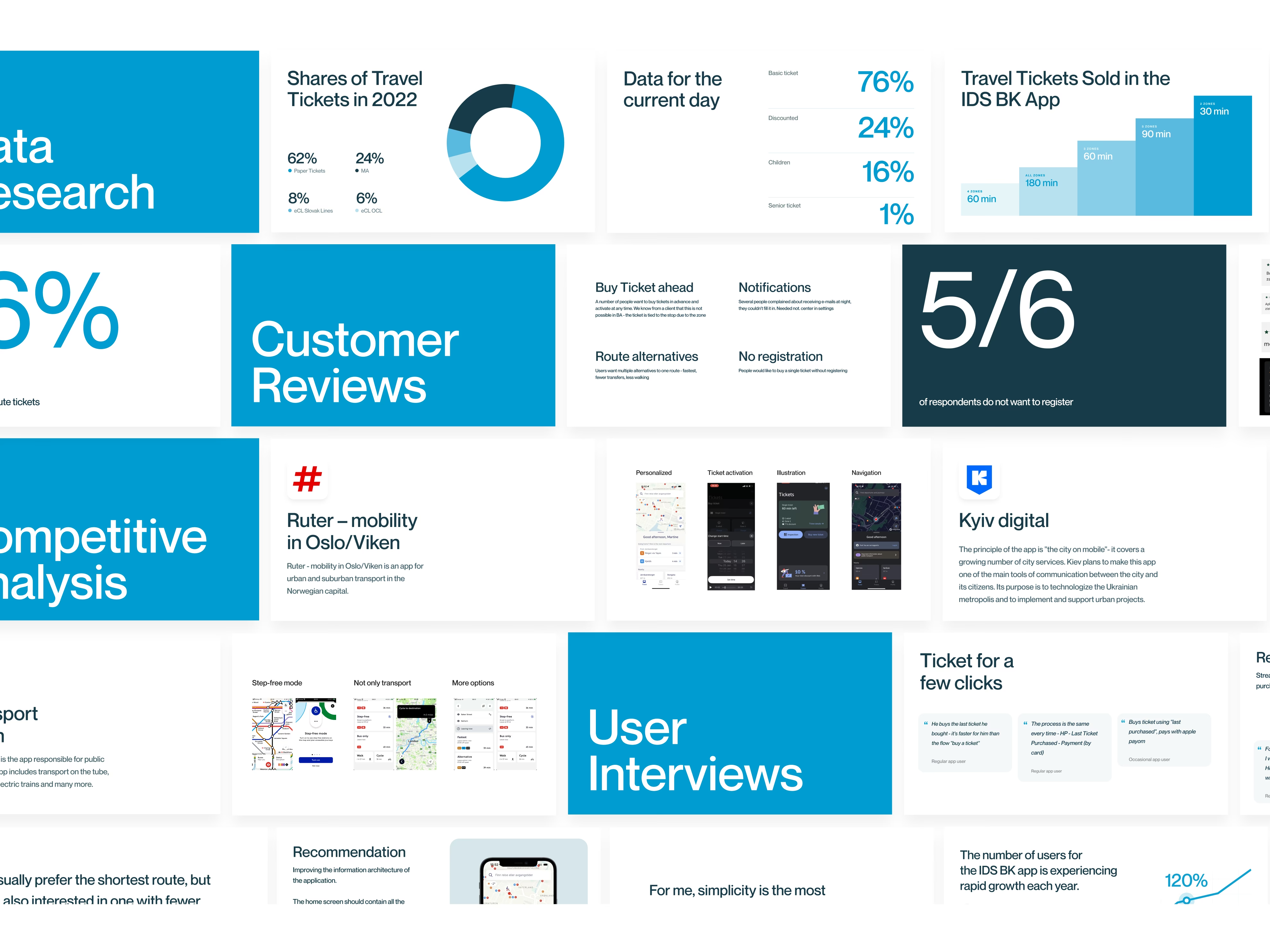
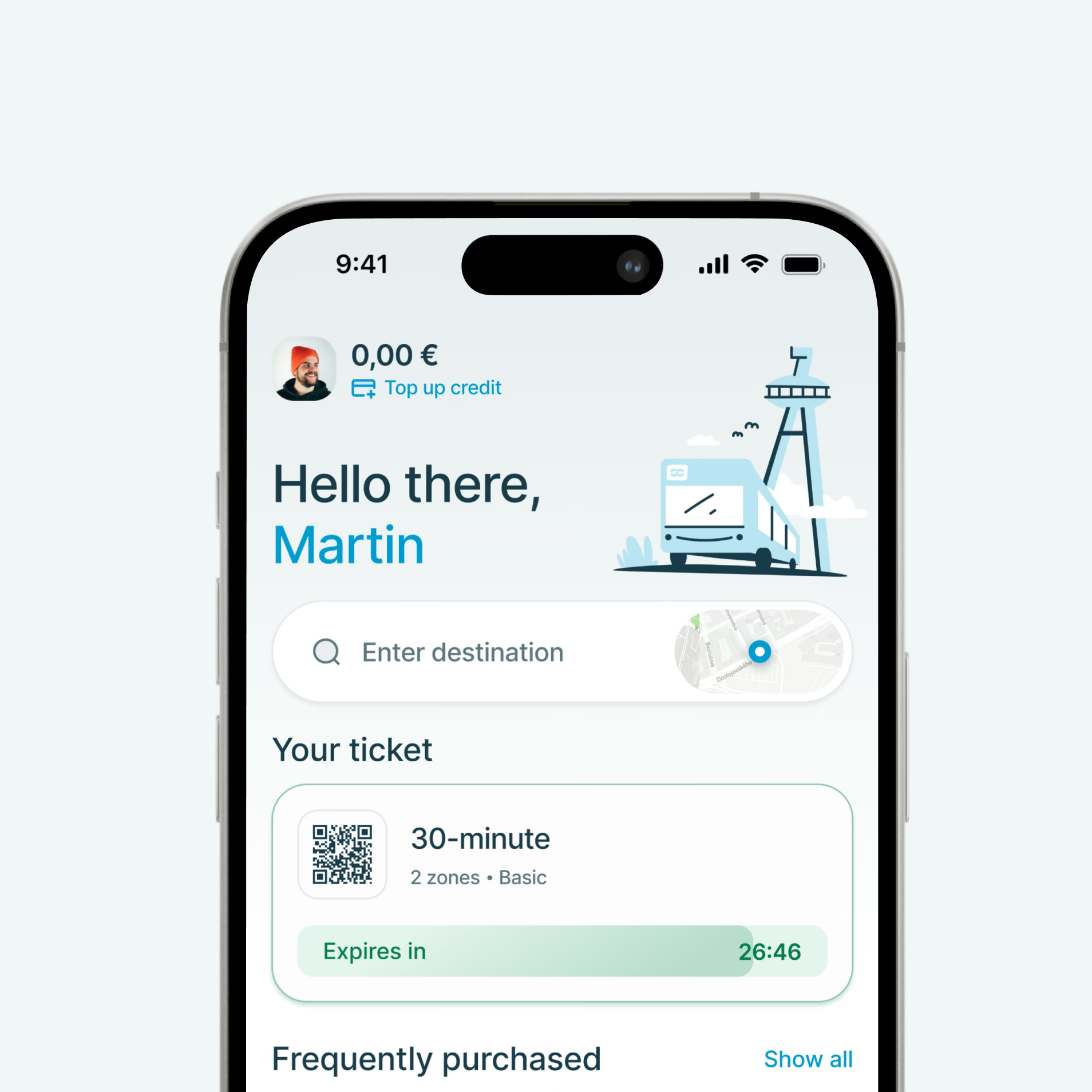
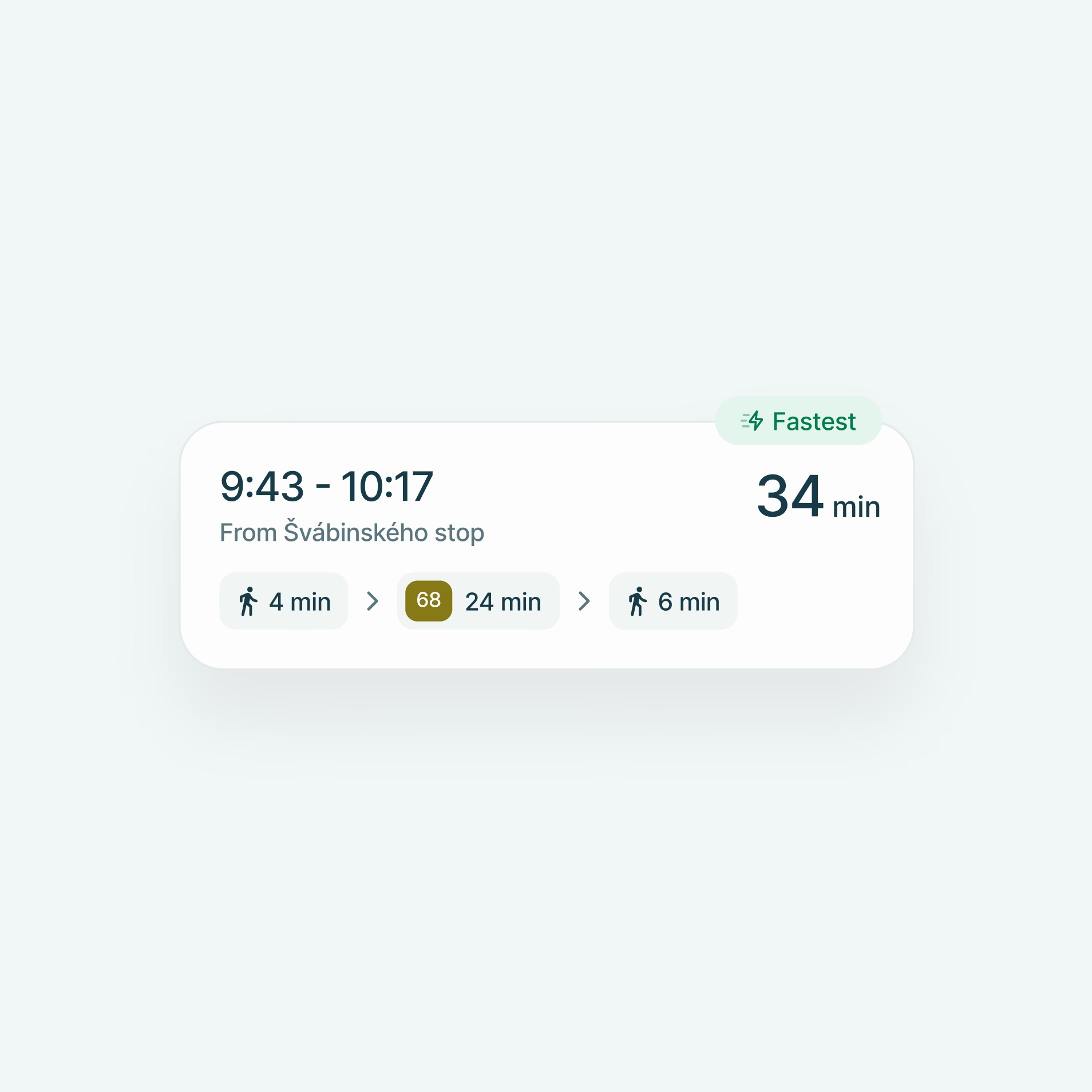
Made first-time ticket buying easier to understand.
A transport app serves people with very different habits and levels of digital confidence. The design needed to work for all of them.
We tested with tourists, older passengers, and regular users. That helped us spot unclear labels and navigation choices before finalising the interface, so the core tasks did not depend on knowing the app already.
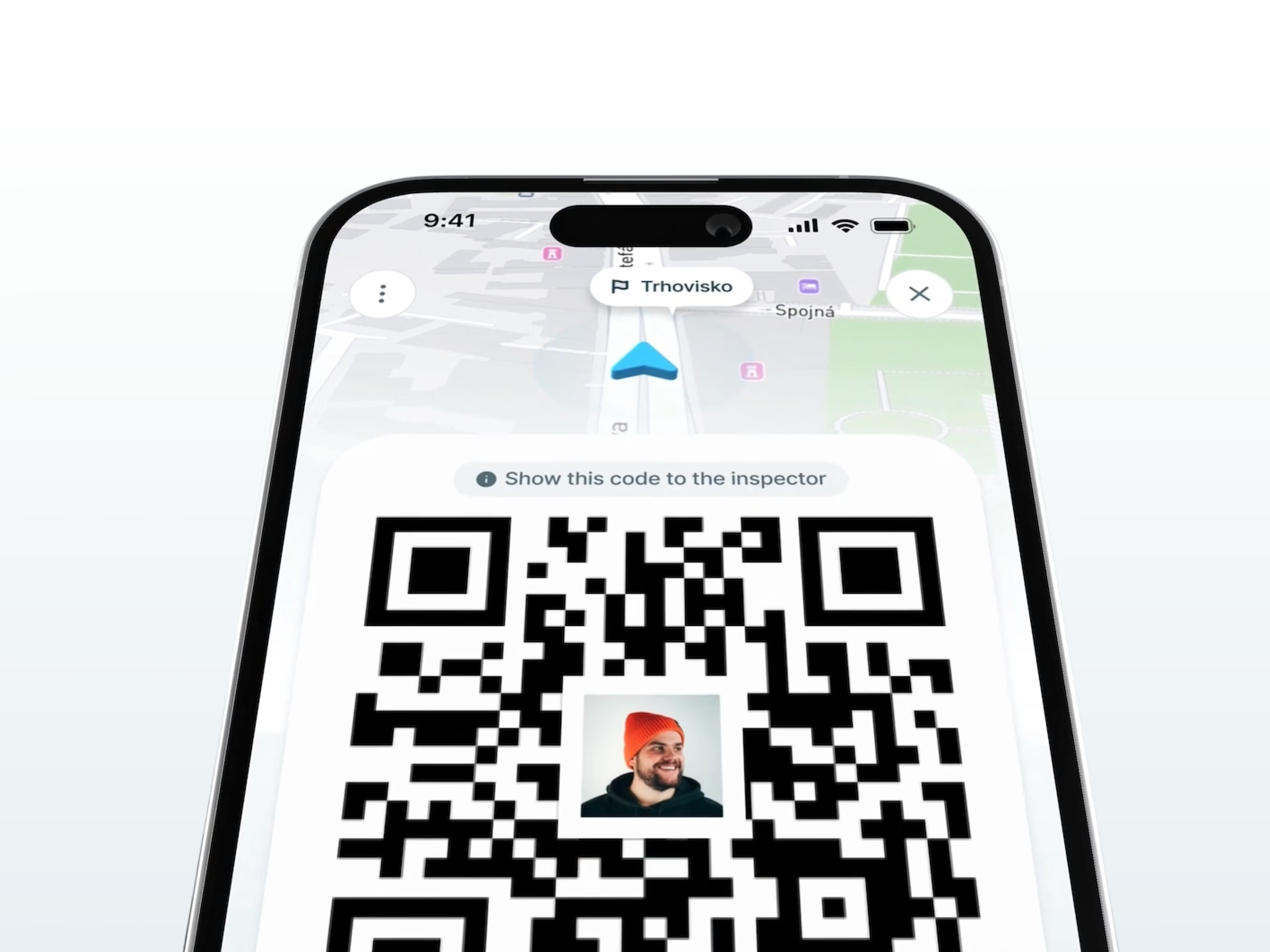
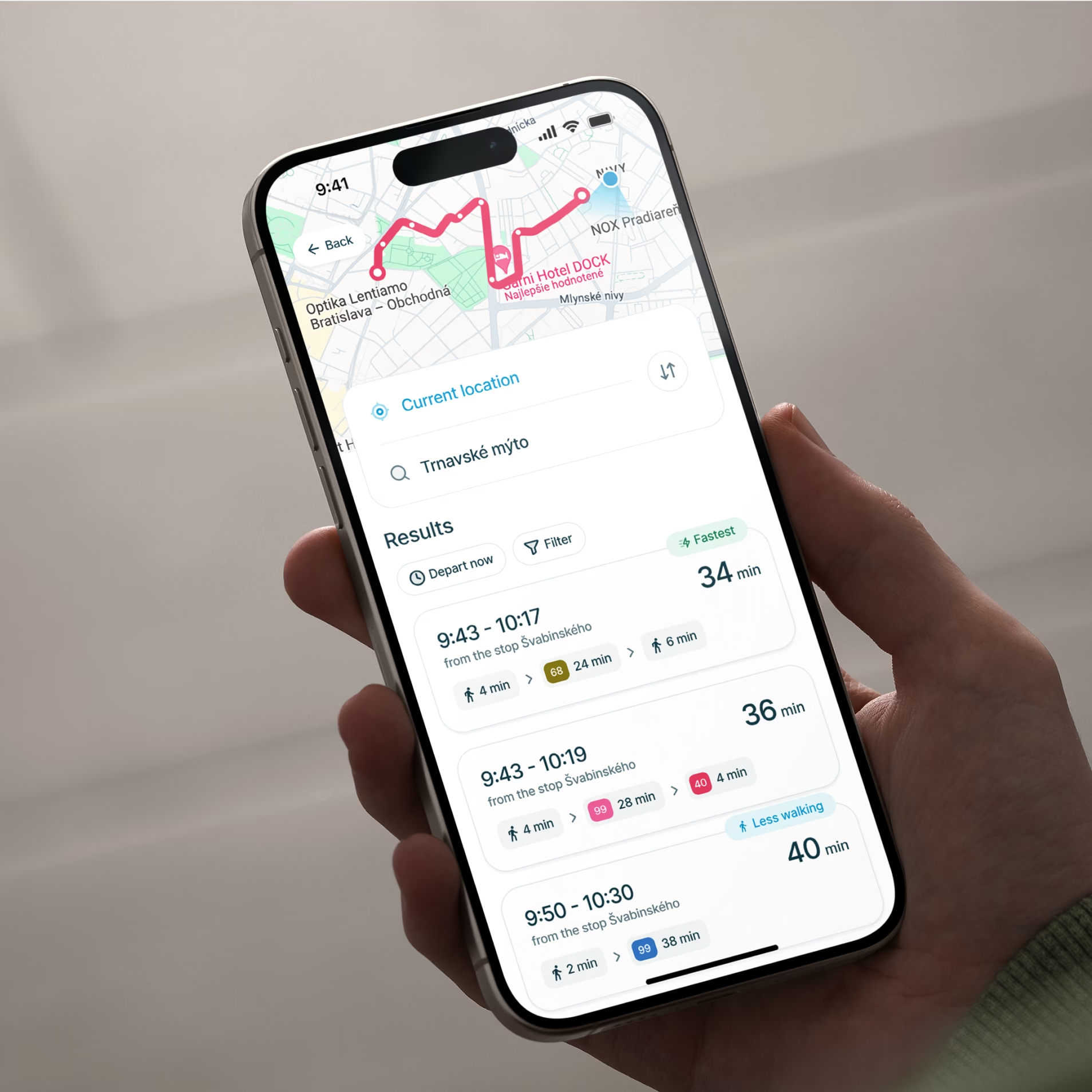
Removed signup from the path to buying a ticket.
Passengers wanted to try the app without creating an account. They also needed a short route to buying a ticket, especially when travelling in a hurry.
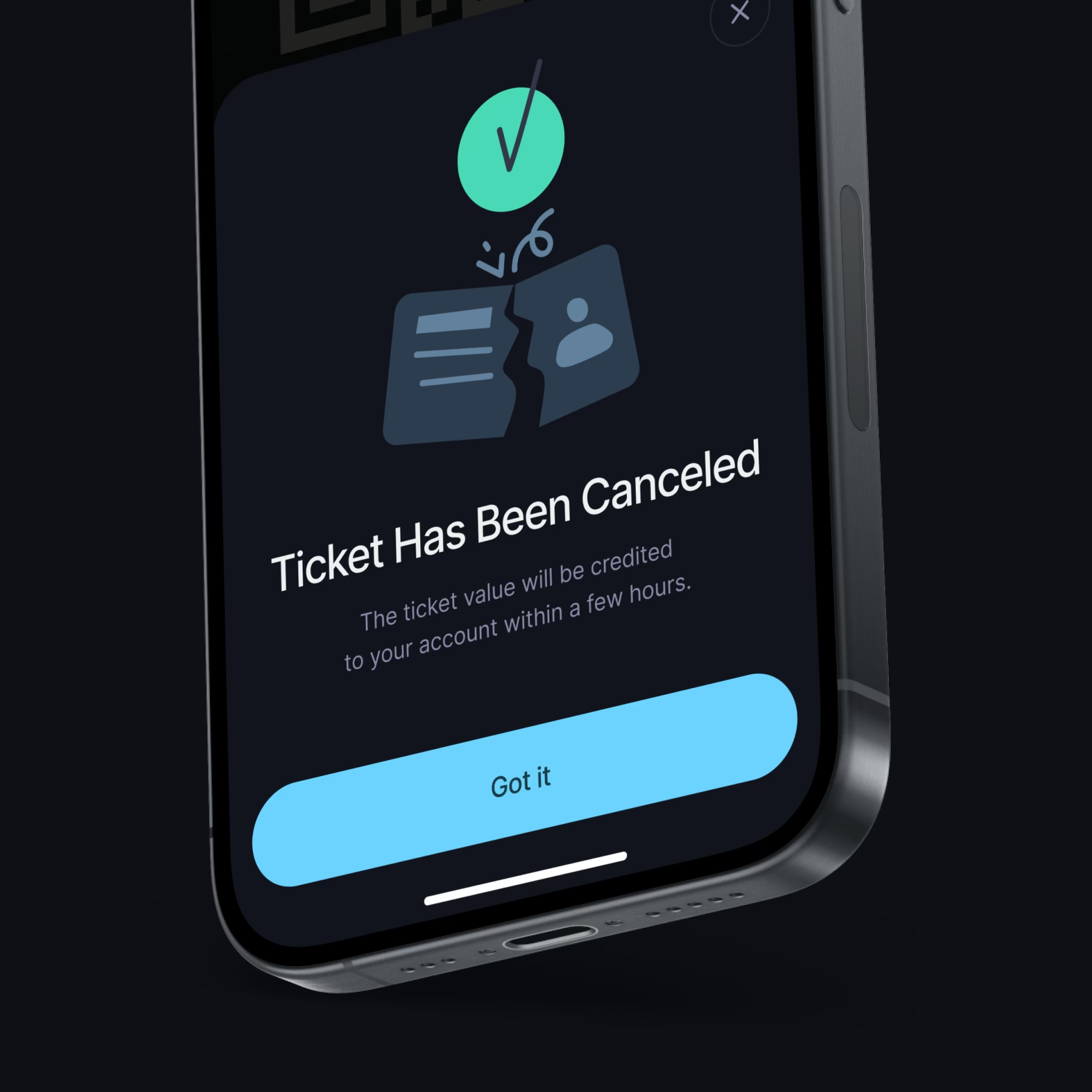
We designed access without mandatory registration and a two-tap purchase flow using a previously selected payment method. The aim was to remove unnecessary decisions at the moment someone needs to travel.
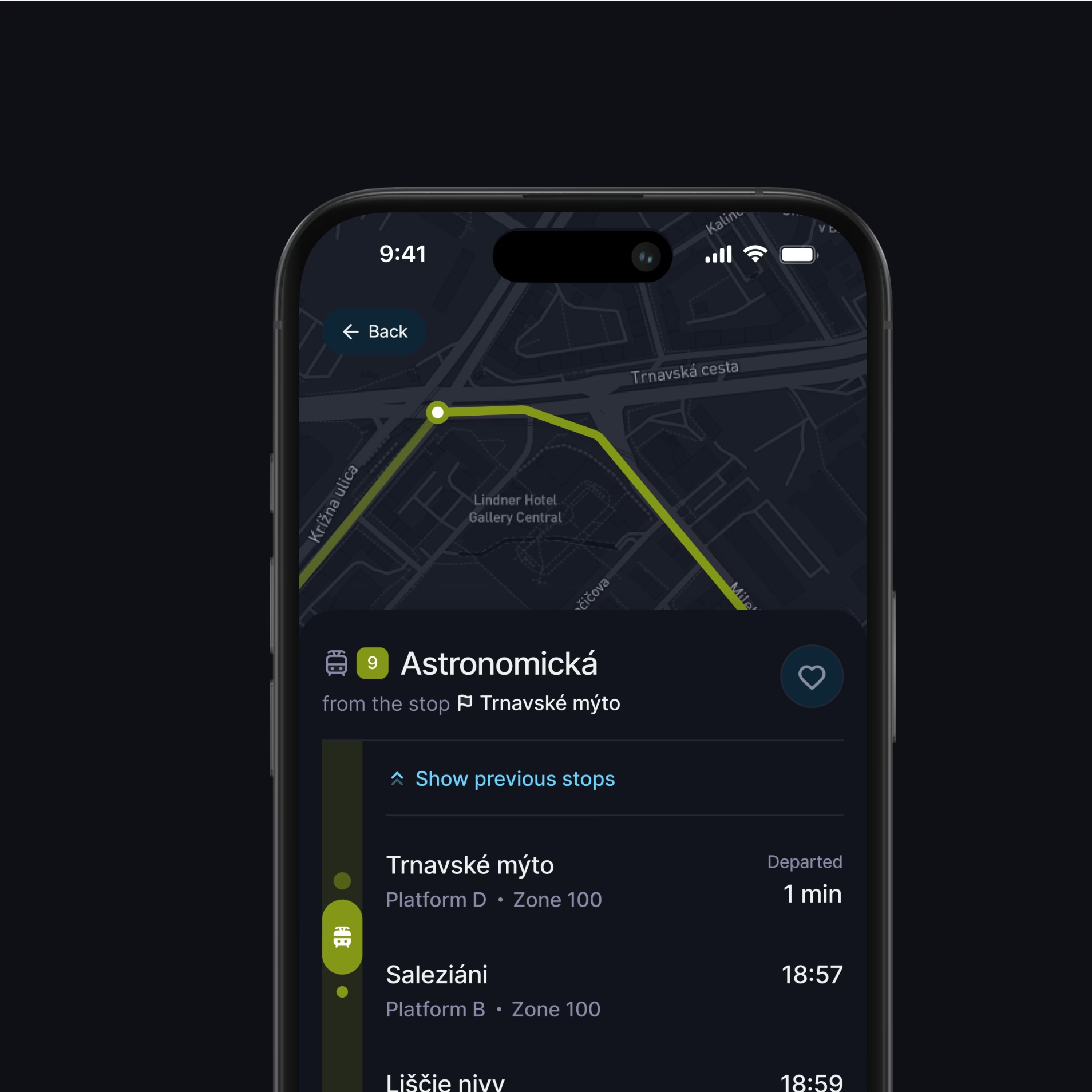
Resolved confusing steps before development.
Listen and test
Build shared patterns
Prepare for handoff
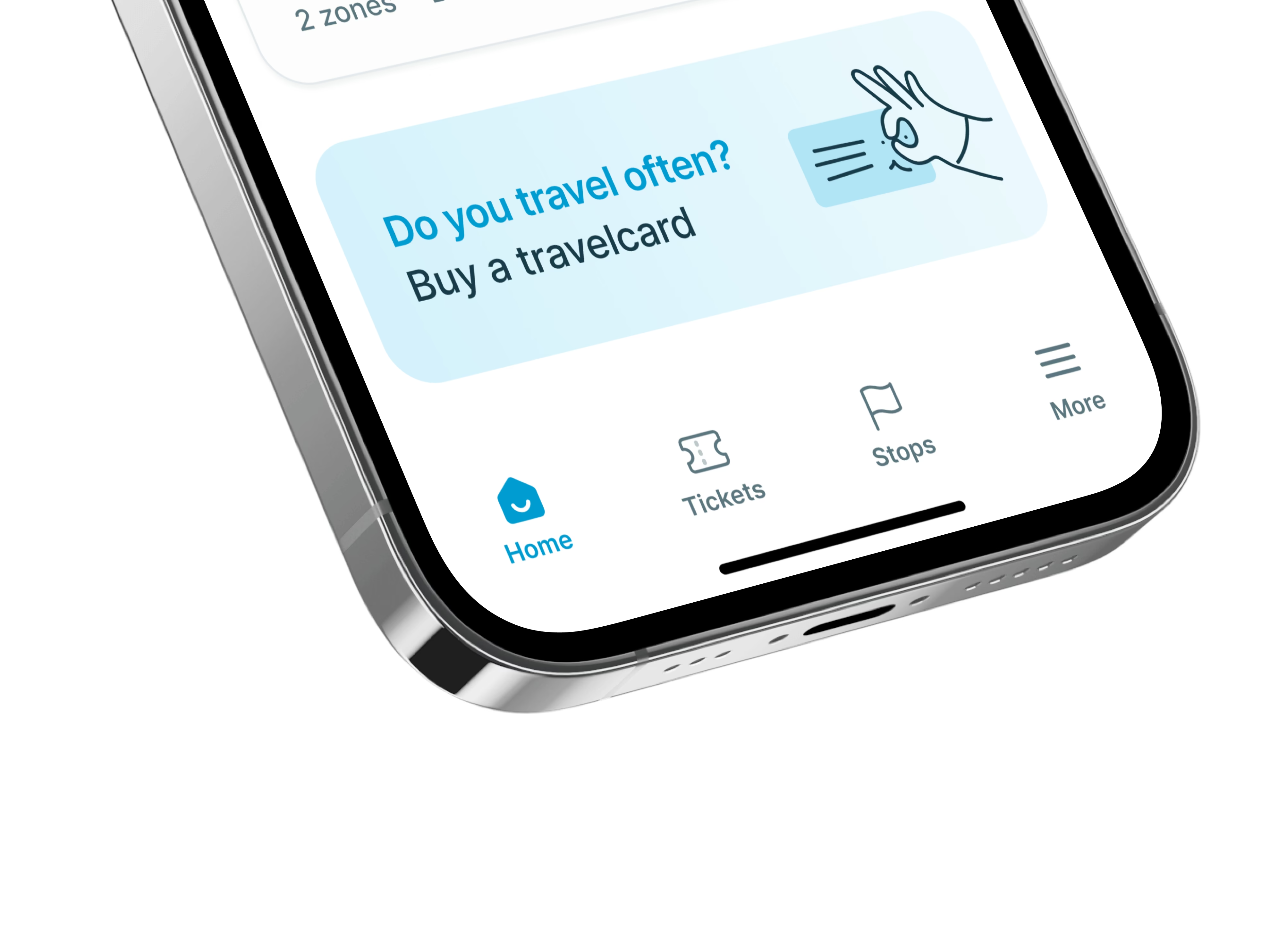
Made repeat purchases faster with saved tickets and routes.
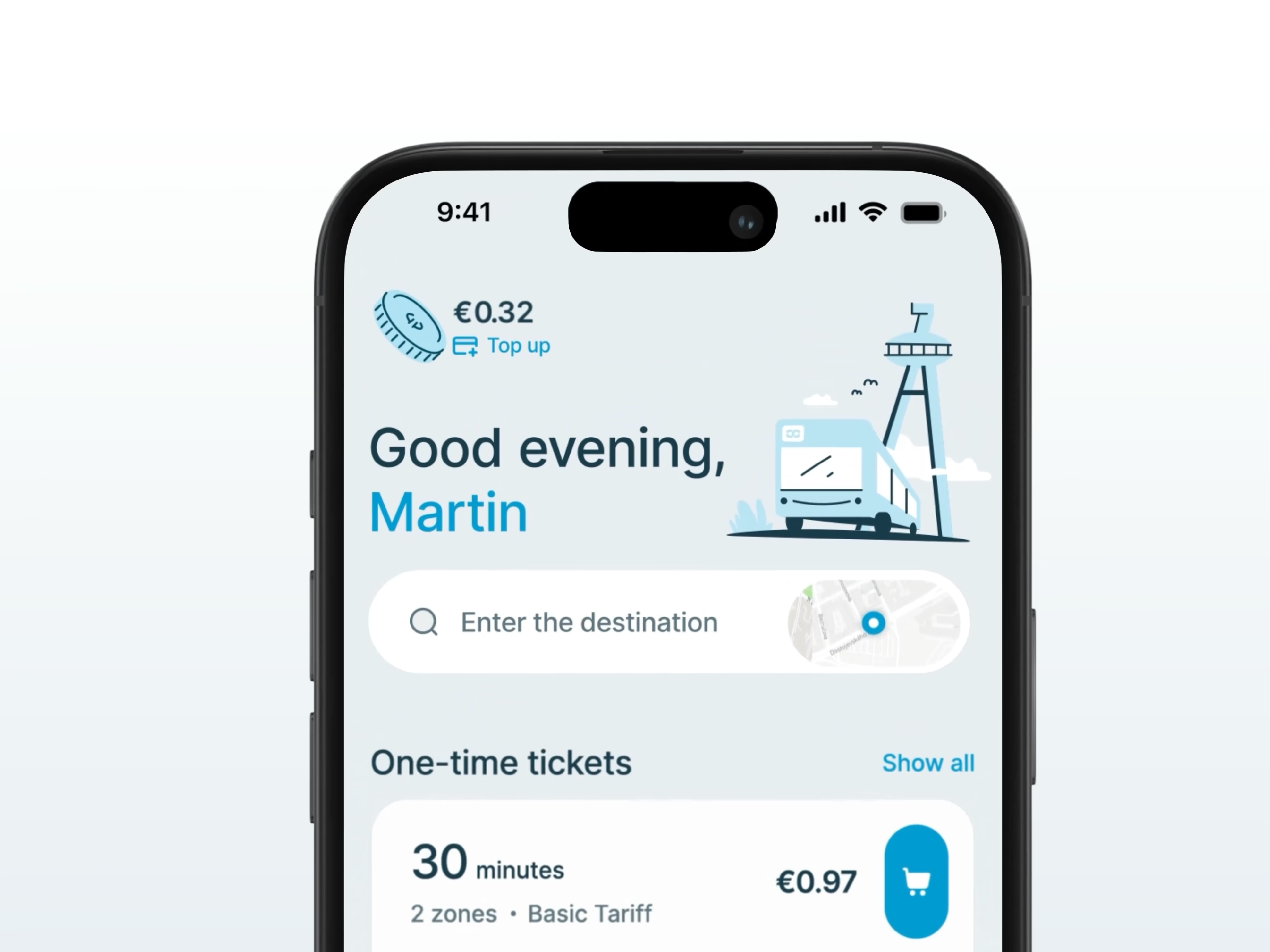
People often buy the same ticket and travel the same route. The redesigned home screen brings those repeat actions closer.
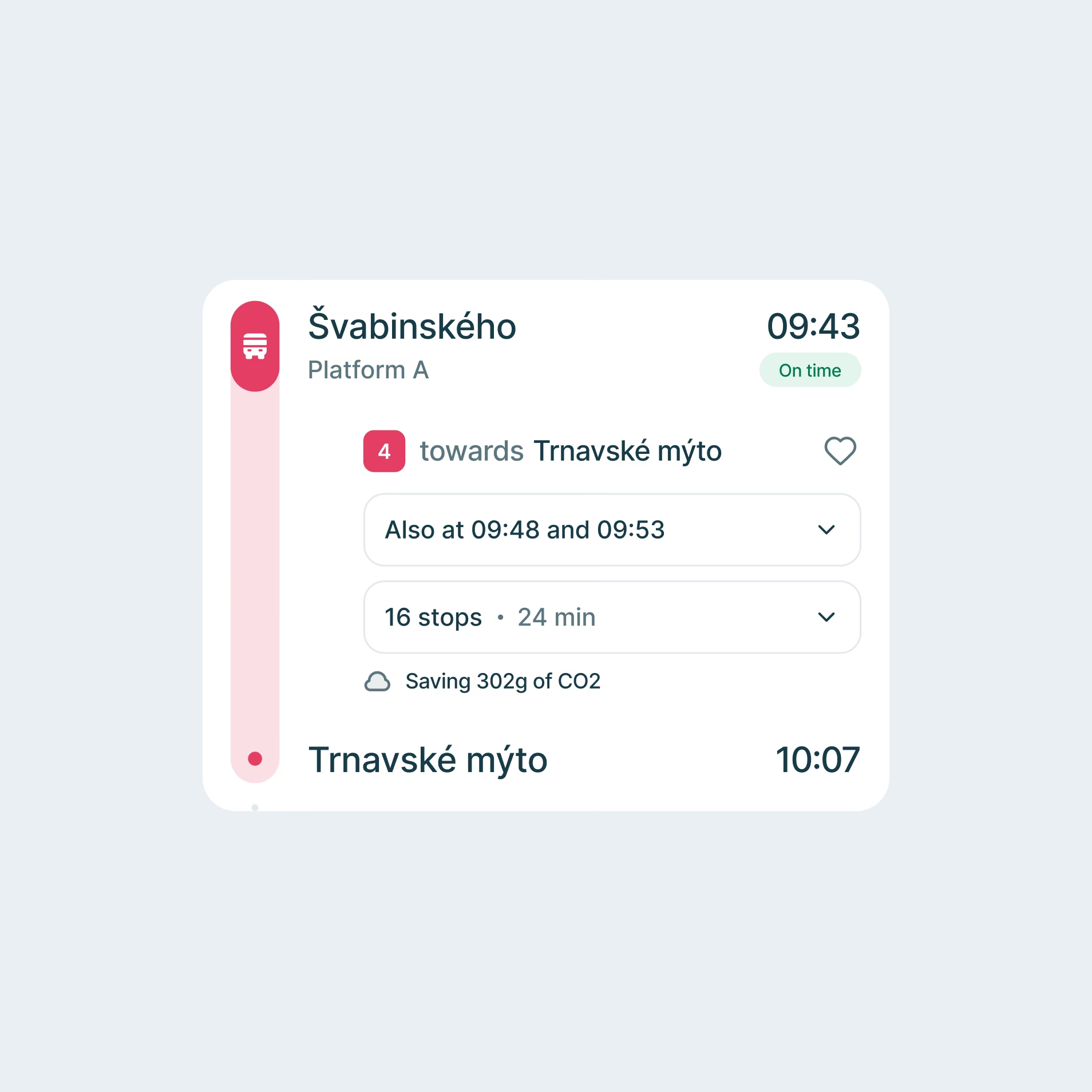
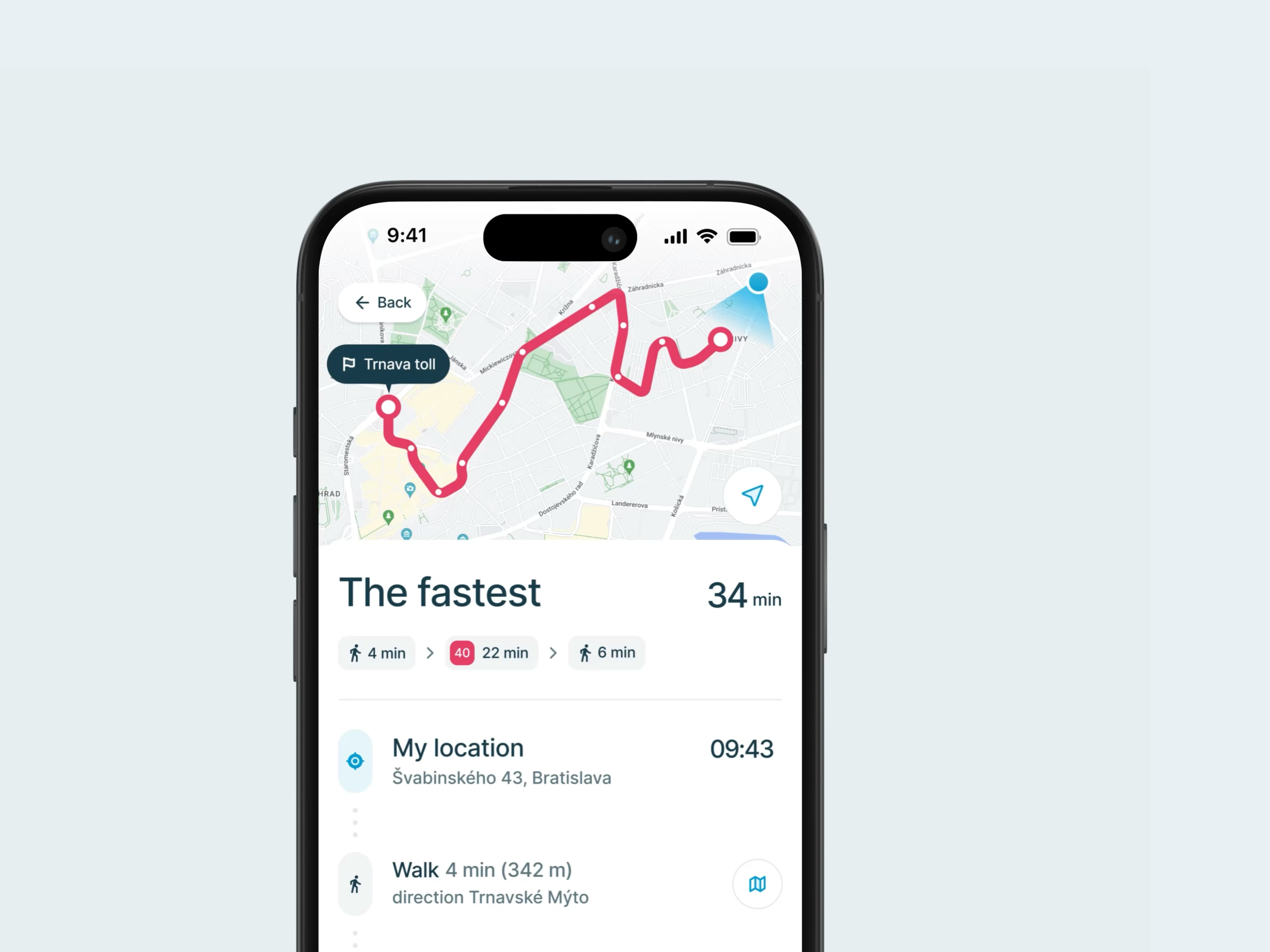
Research found that 85% of users repeatedly bought the same ticket. Saved addresses, favourite routes, and frequently purchased tickets shaped the design around those habits, with departures and disruption updates alongside them.
"What impressed us most about this company was their exceptional creative thinking and the innovative ideas they brought to the table.
They demonstrated a unique ability to translate our specific requirements into practical yet imaginative solutions."

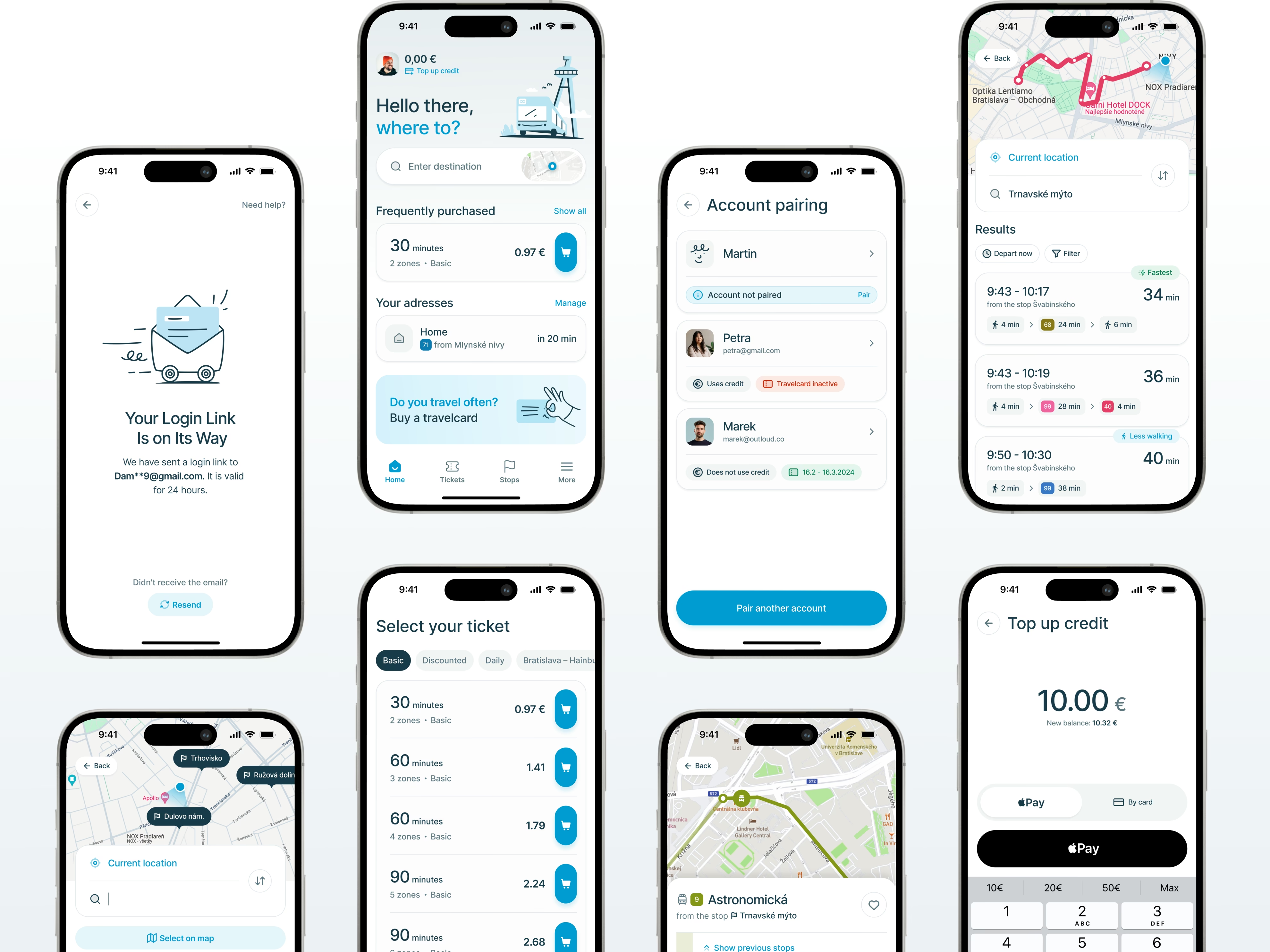
Delivered a tested design for two-tap ticket buying.
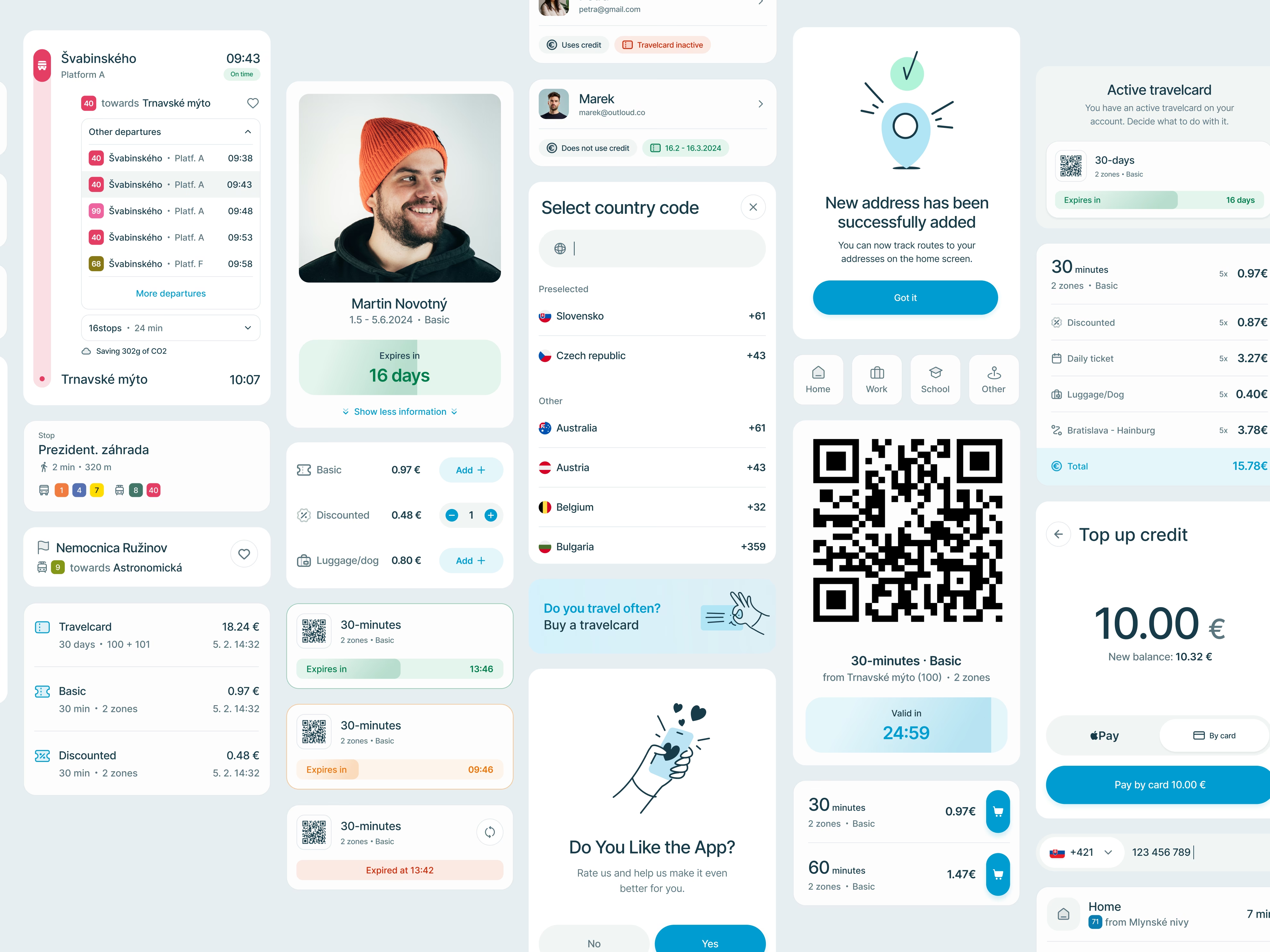
Our work covered research, usability testing, and design, with a shared system ready for the client’s implementation.