A better way to experience the festival

Services
Strategy
UX / UI Design
Mobile development
Frontend Development
Backend Development
DevOps
Tech Stack
Flutter
Typescript
Vue 3
Node.js
AWS
Client
Pohoda Festival
Timeframe
4 months
Links (Demo app)
Pohoda is one of Europe’s most acclaimed mid-sized festivals, combining music, arts, and a broad on-site program into a large live experience. Our work focused on turning that complexity into one mobile product that visitors could actually rely on during the festival.  

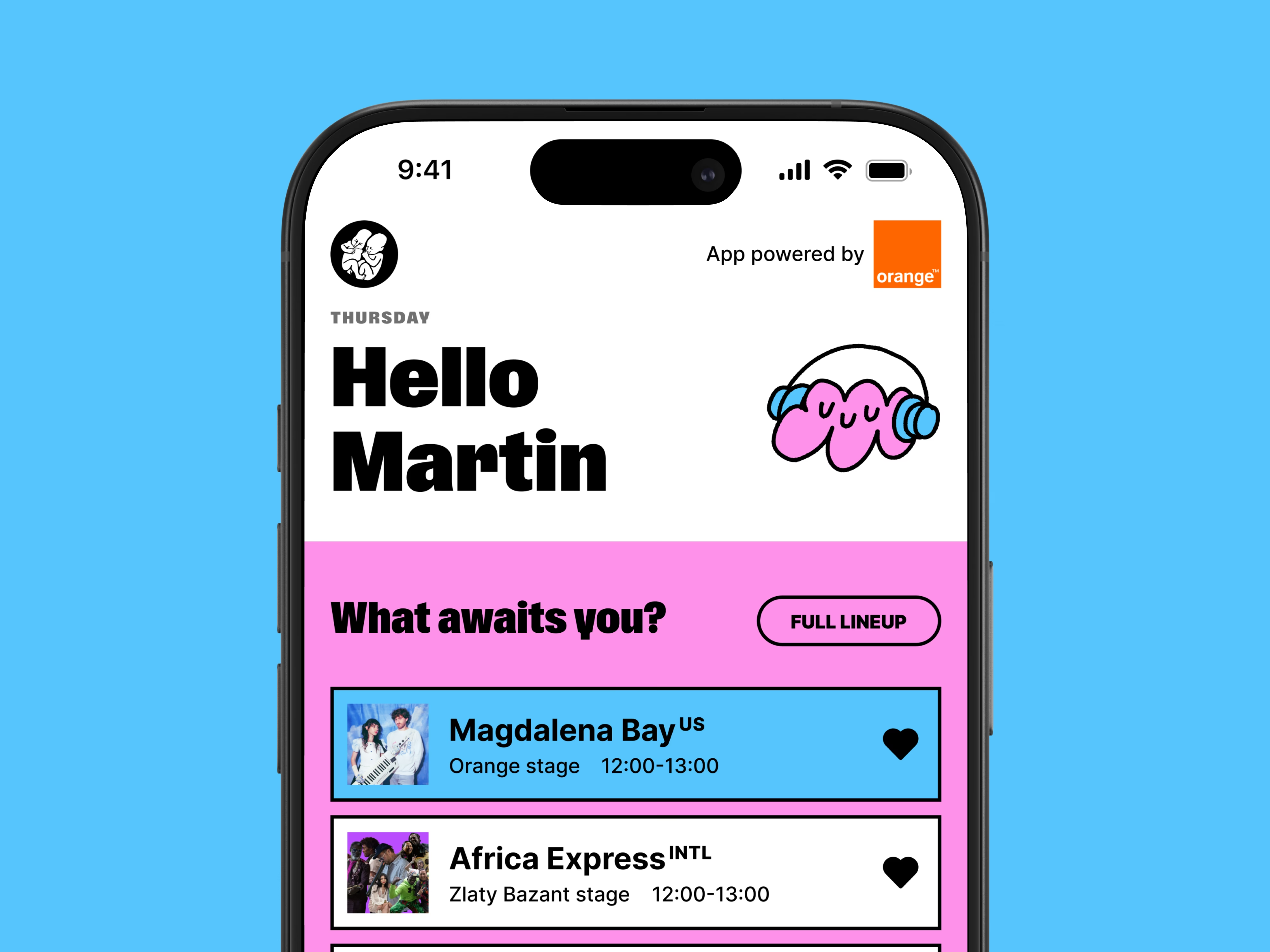
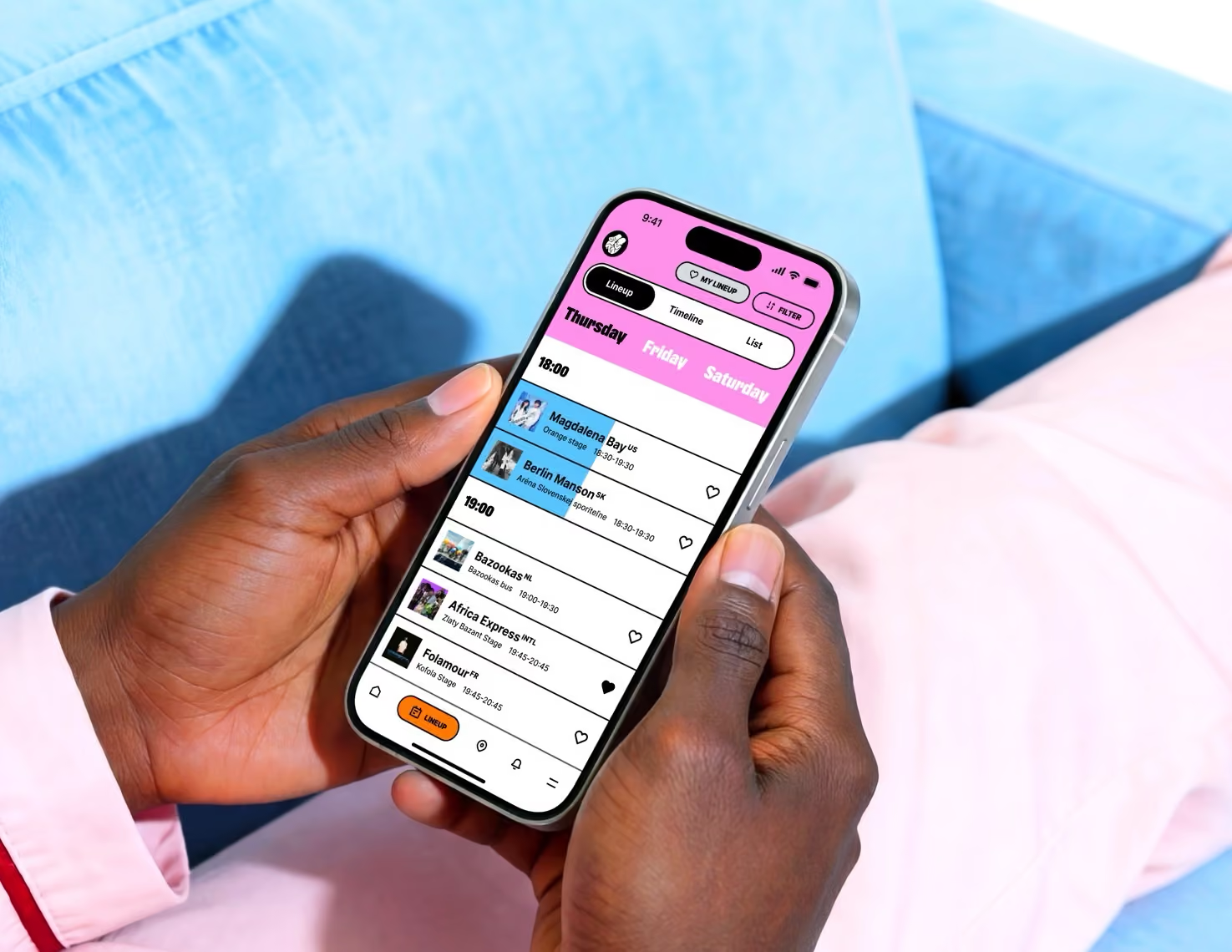
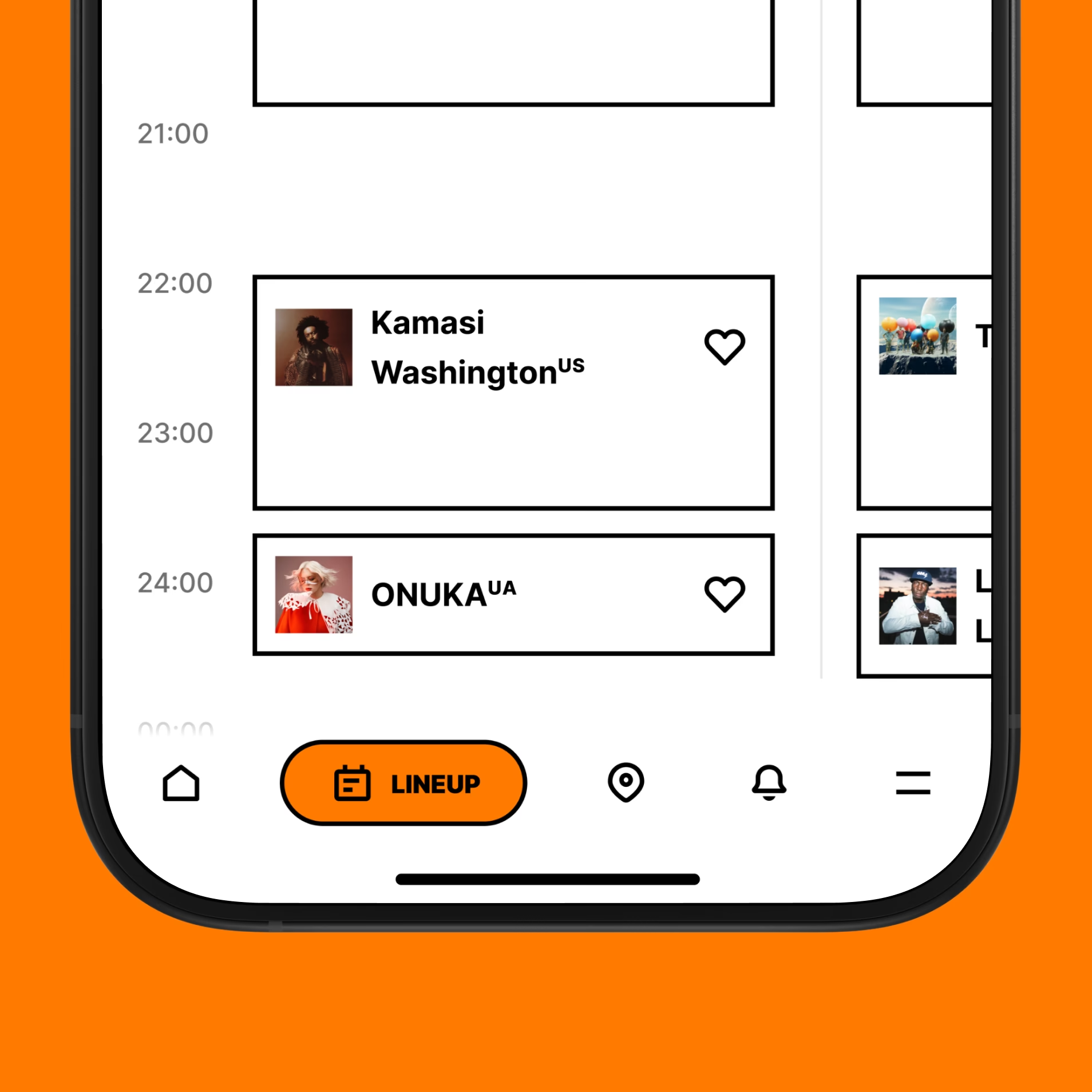
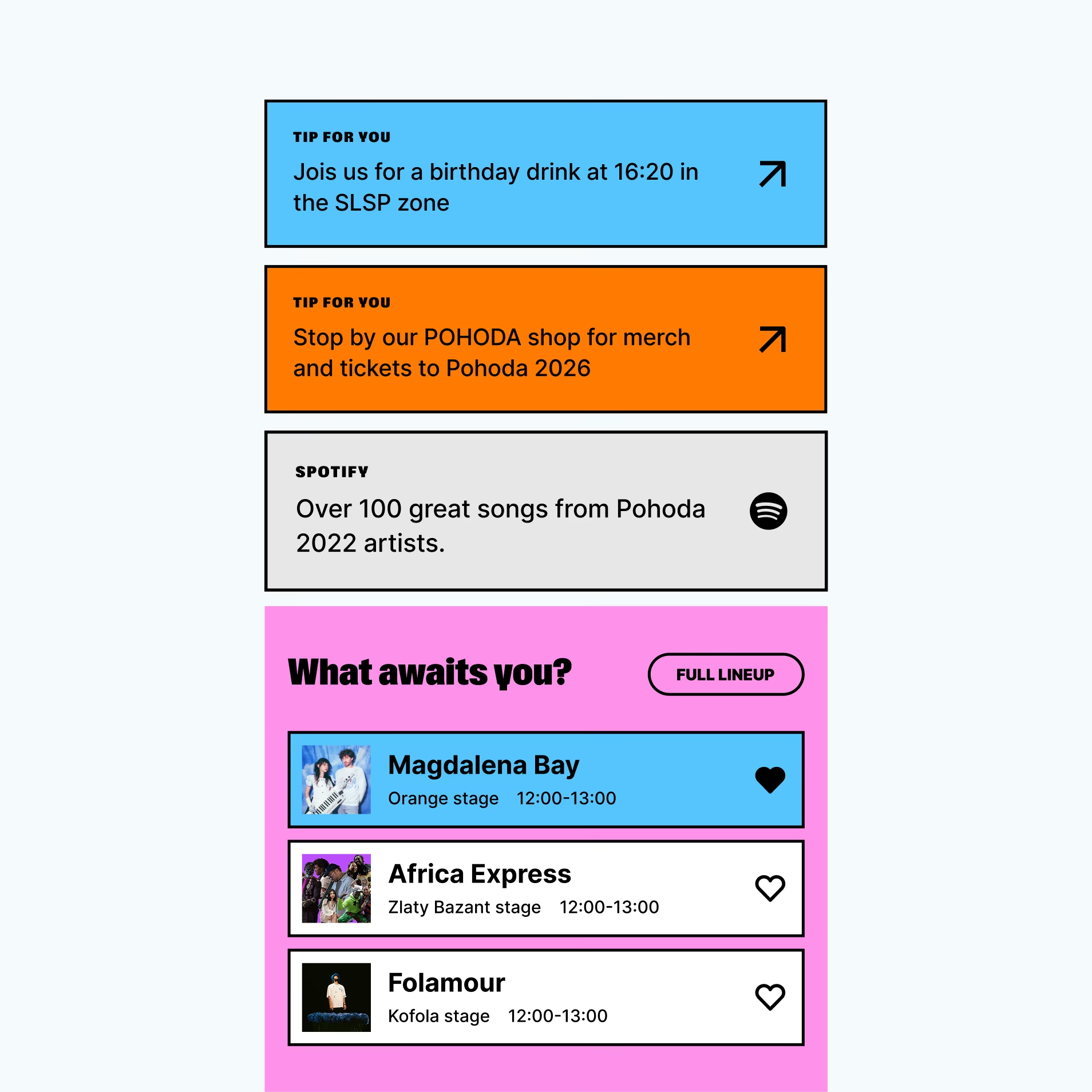
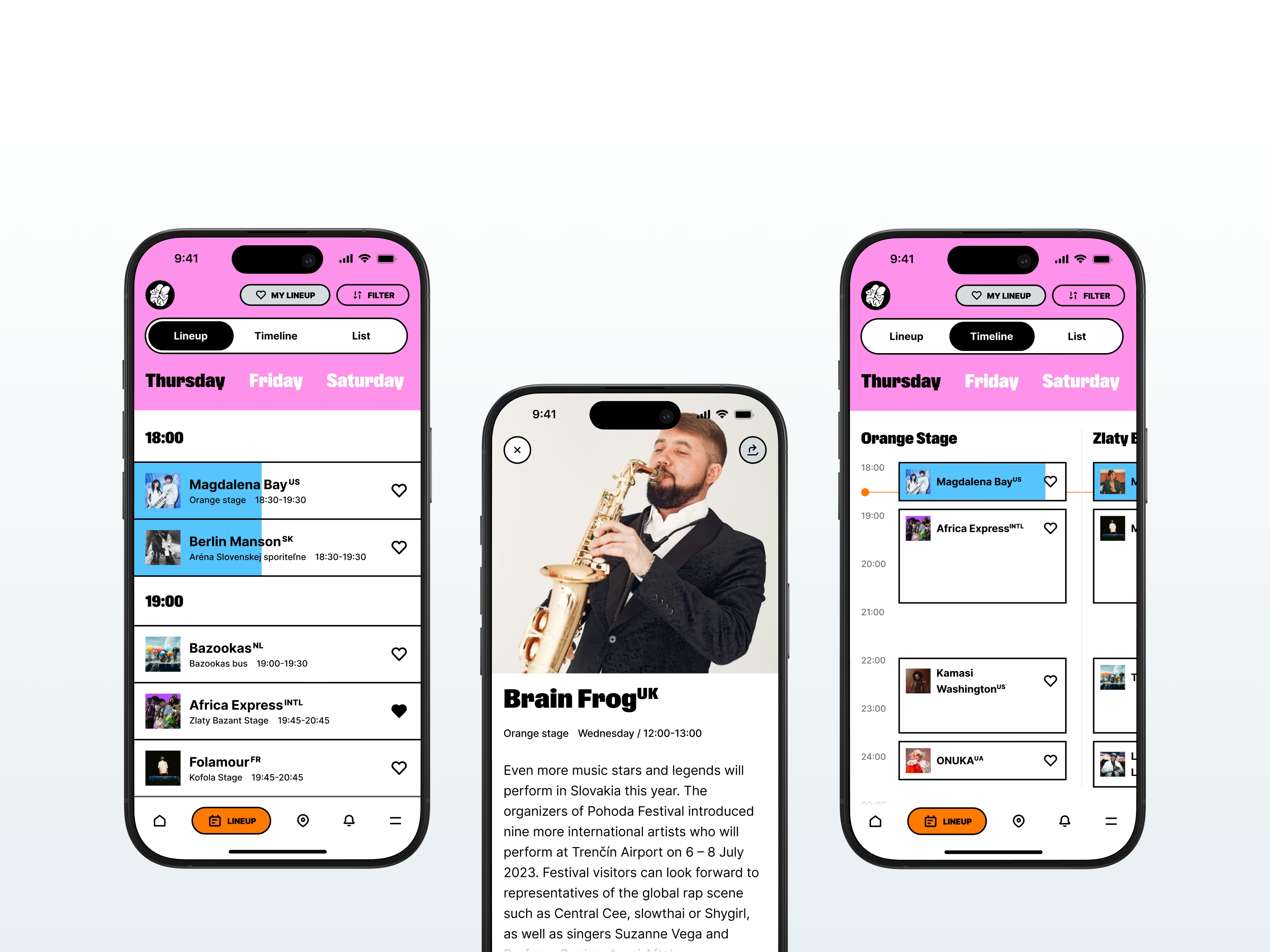
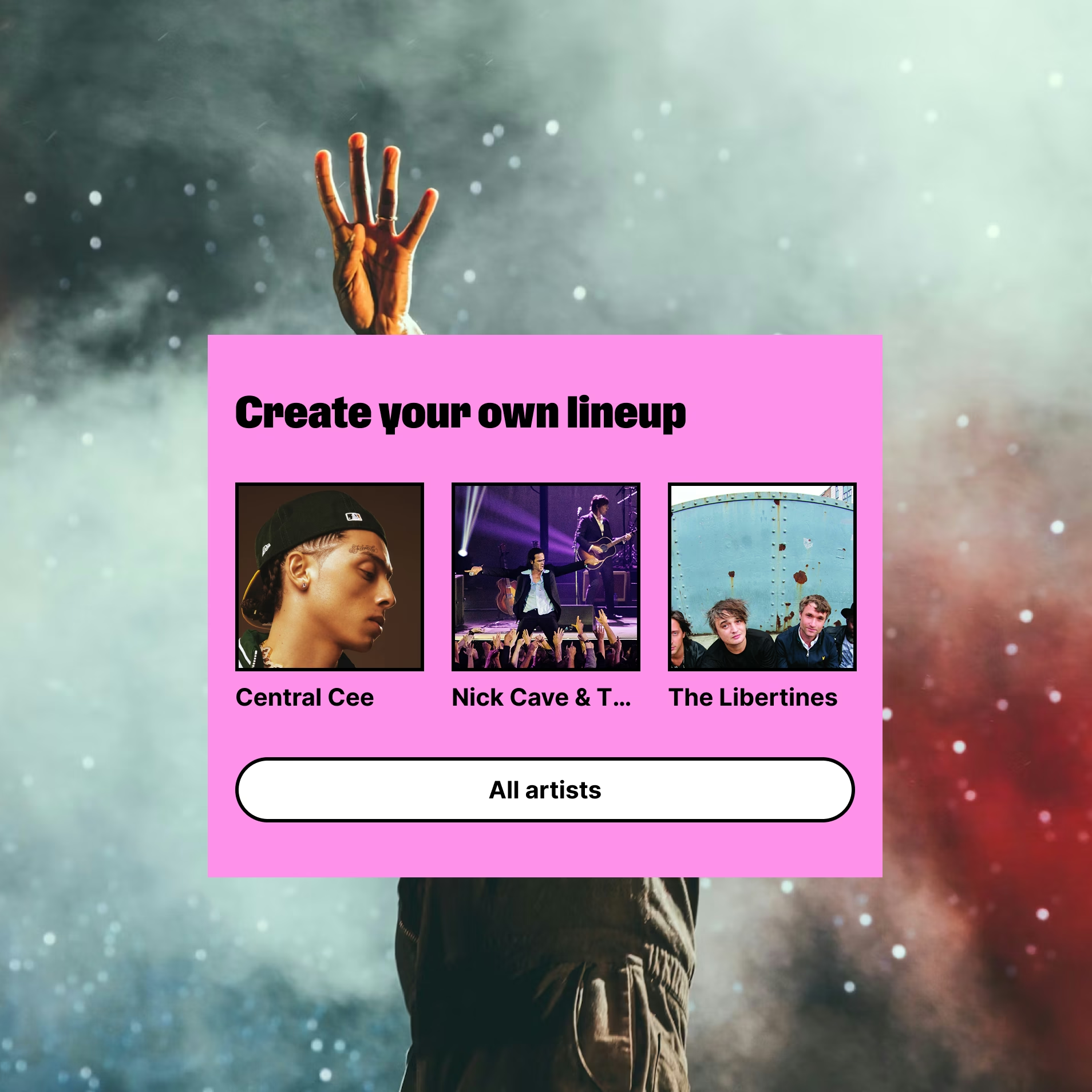
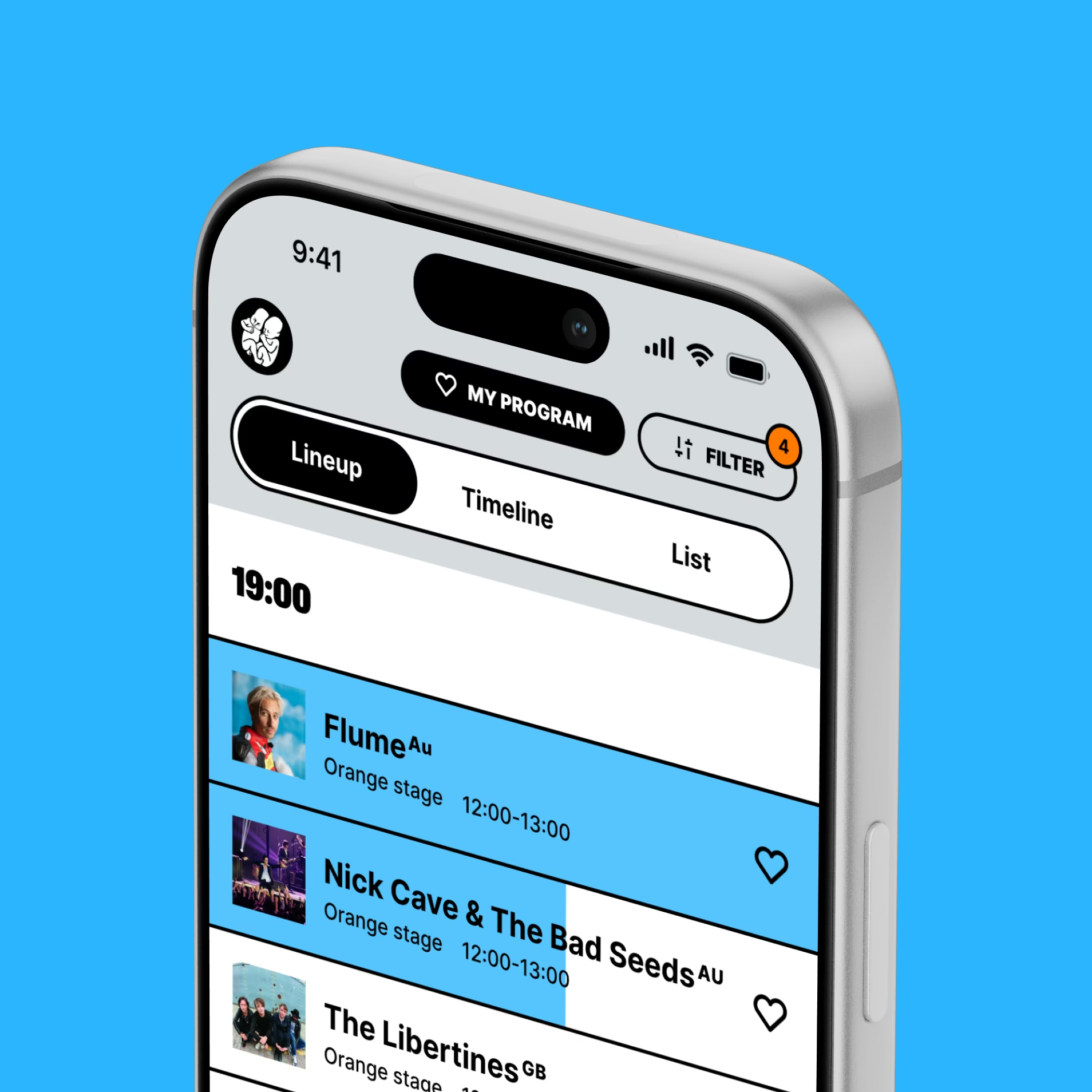
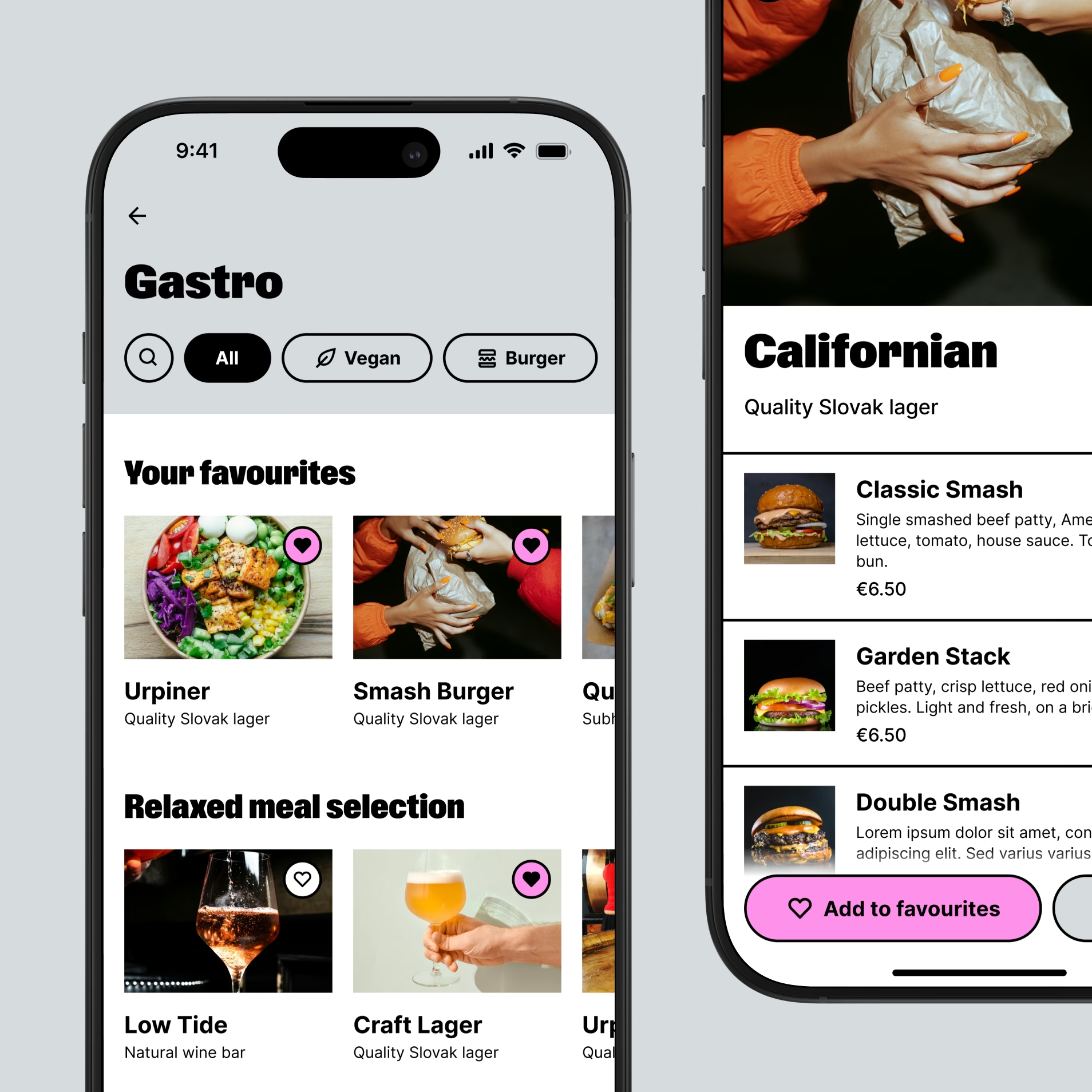
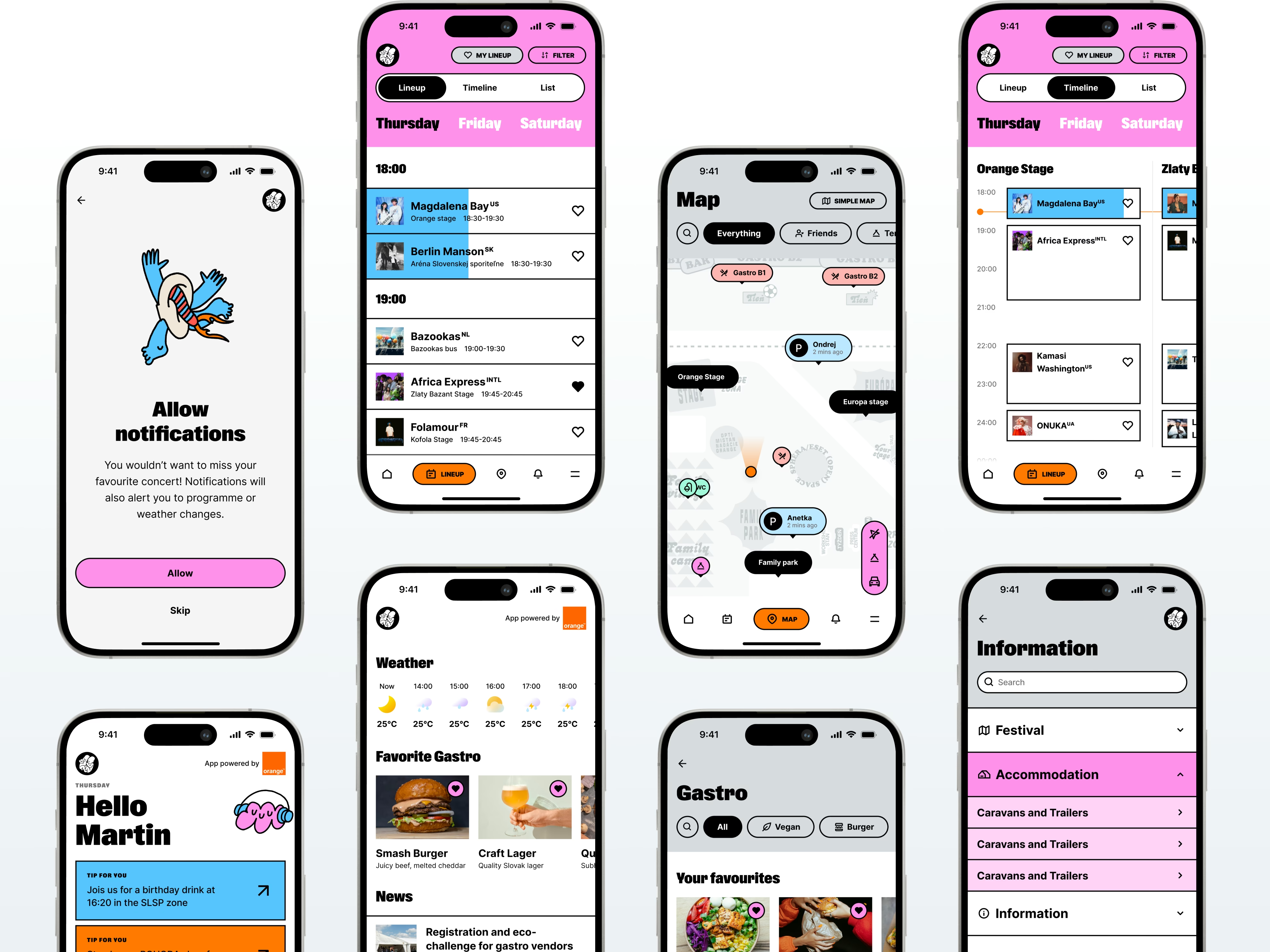
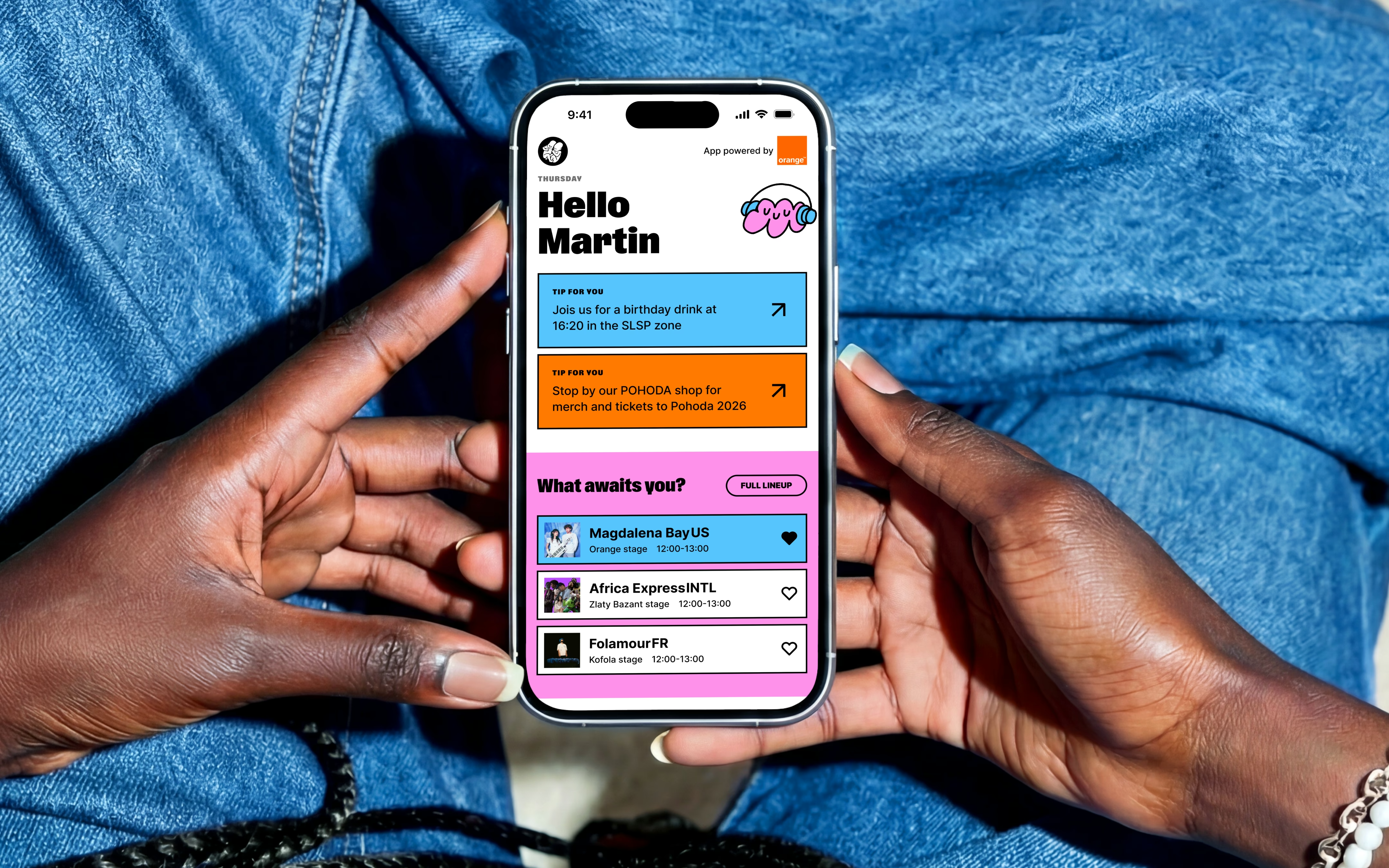
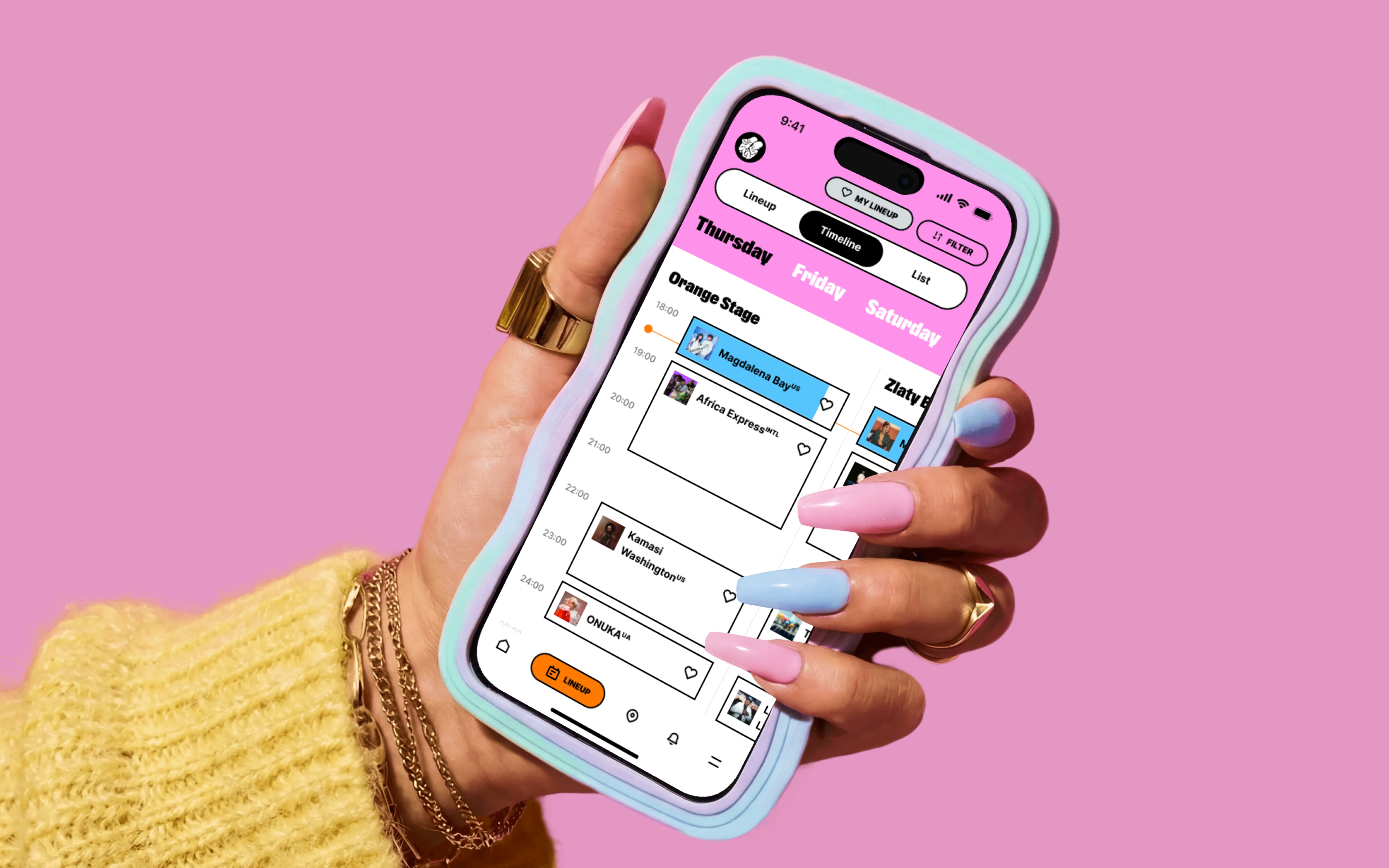
The app gives festivalgoers their schedule, map, updates, friends, and practical information in one place, helping them navigate the event in real time instead of piecing information together from multiple channels.
Key outcomes
  1. 5-years long collaboration
  2. 26,000 users every year
  3. 90% notification opt-in
  4. 300 app opens per user
  5. One mobile touchpoint for timetable, map, updates, and on-site orientation
  6. Helped streamline festival communication and day-to-day operations

One app for the full festival journey

The app was designed as more than a digital timetable. It brought together the key parts of the Pohoda experience into one mobile product visitors could rely on before and during the festival.
Instead of forcing people to switch between scattered information sources, the app gave them one place for schedule planning, maps, updates, practical information, and personal festival tools. That made it useful across the full visitor journey, from preparing the day in advance to making fast decisions on-site when time and attention were limited.

Build for real-time use under festival pressure

Festival apps do not operate under normal product conditions. Their most important moments are concentrated into a short, high-pressure window where reliability matters more than almost anything else.
That changes how development has to be approached. The product needs to handle spikes in traffic, frequent user actions, and the pressure of real-time usage without falling apart when people need it most. In practice, this means thinking carefully about stability, performance, and release readiness long before the festival begins. The app is not only a content layer. During the event, it becomes an operational tool people expect to work immediately.

Making the festival map work in real conditions

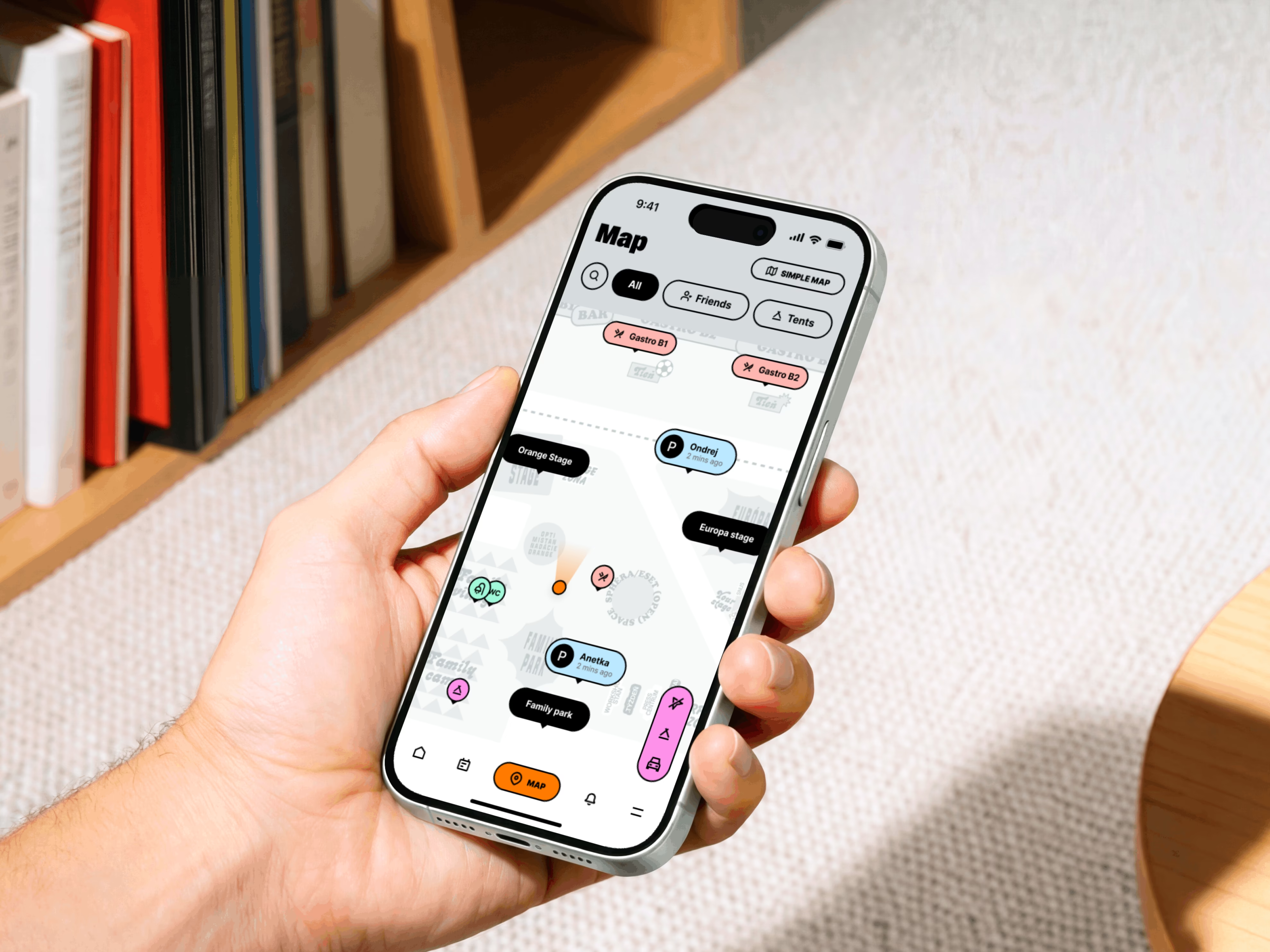
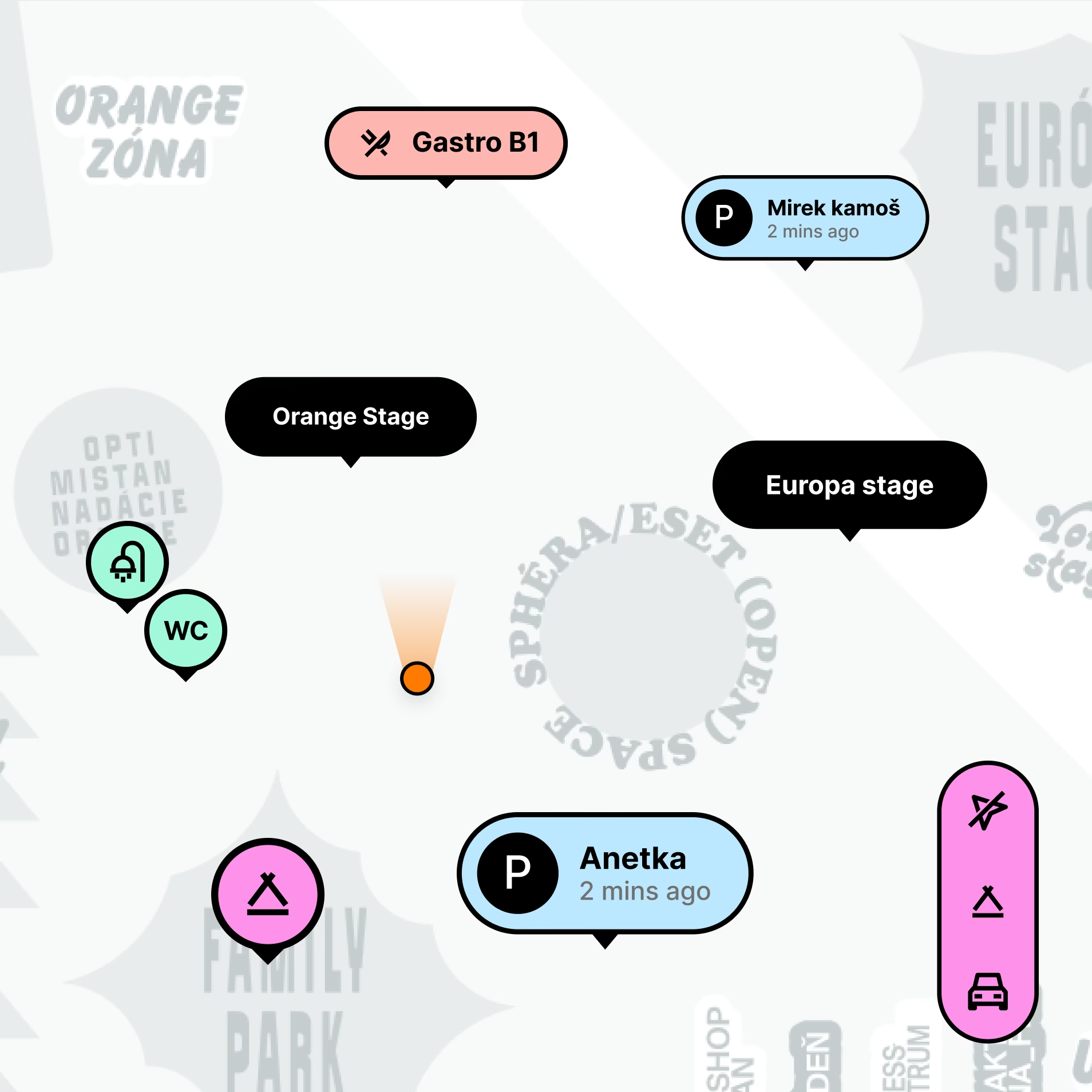
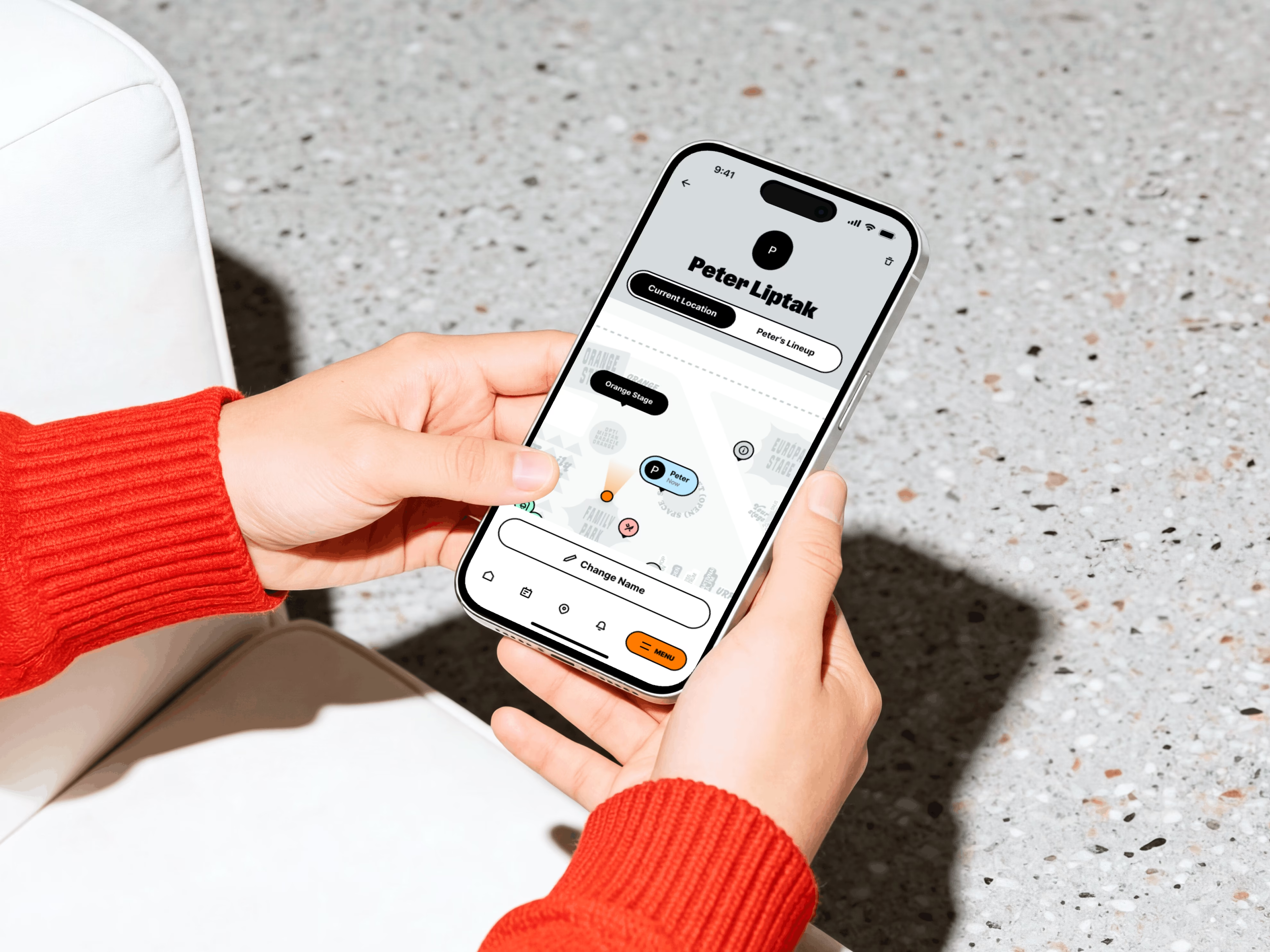
The map was one of the most important features in the app, but also one of the more demanding parts to design and build well.
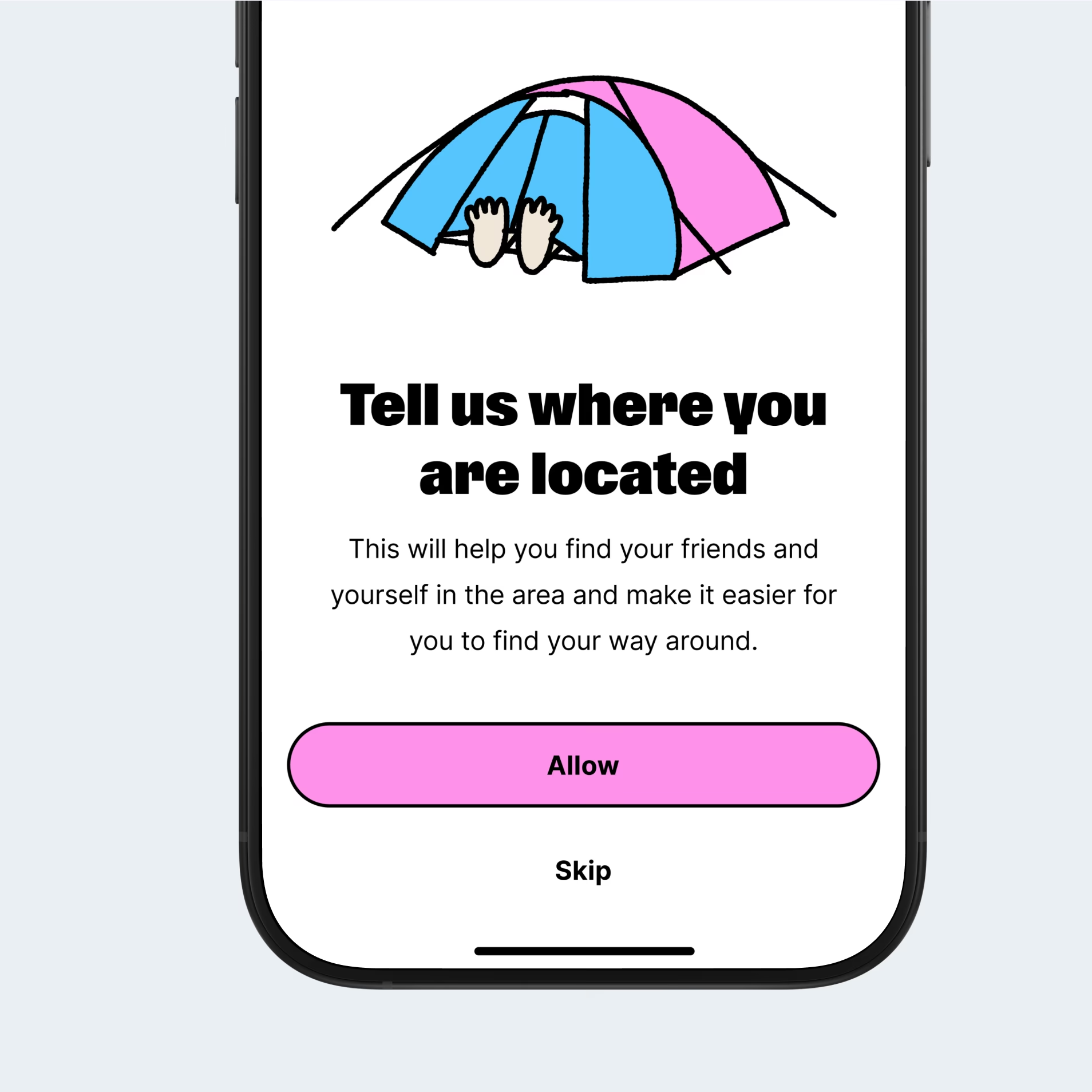
It had to do more than show the festival grounds. The map needed to help people orient themselves quickly, find stages and services, and also see their friends in real time while moving through a crowded live environment. That made it a much more complex feature than a static event map. It had to stay clear, responsive, and easy to use on mobile while supporting live location context and practical wayfinding under festival conditions. Getting that right meant treating the map as a core part of the product experience, not just an extra utility.

Bringing the festival brand into the digital experience

A strong festival brand does not automatically translate into a strong digital product. That connection had to be designed deliberately.

Our work was not only about utility, but about presence. The app needed to carry Pohoda’s recognizable identity into mobile form so the digital layer felt part of the festival, not separate from it. That meant balancing brand expression with product clarity: making the app feel lively, distinctive, and unmistakably Pohoda, while still keeping the interface simple enough to use quickly in a crowded live environment.
Discovery & Visitor Flows
UX/UI Design
App & Backoffice Development
Testing
Launch & Festival Rollout

Discovery
& Experience Design

The first phase focused on shaping the app around real festival behavior: planning the day, navigating the grounds, finding friends, and staying informed in real time.

That foundation then moved into UX and visual design, making the product feel like a natural part of the Pohoda experience rather than a generic event app.

App
& Backoffice Development

The next phase focused on building the mobile product together with a strong operational layer behind it.

Alongside the app itself, the system needed a backoffice where the festival team could manage content, update schedules, and send notifications quickly as the event evolved.

Testing
& Launch

The final phase focused on preparing the product for real festival conditions. That included validating core features such as the map, live updates, and friend visibility, while making sure the app stayed clear and dependable under on-site pressure.

The goal was not only to ship the product, but to make it ready for real use during the event.

“The guys from Outloud were very proactive, and the final result met our expectations.

Communication was fast, and best of all, the app helped thousands of our visitors. Recommended!”

Development shaped around fast updates and live content

A festival product cannot be treated like a static release. It has to support a fast-changing environment where information, schedules, and updates need to move quickly.

That makes the connection between product development and content operations especially important. The technical foundation has to support frequent changes without creating unnecessary friction for the team running the event. Just as importantly, the festival team needs a strong backoffice where they can easily update content, manage schedules, and send notifications as situations evolve.

In products like this, good development is not only about the app itself, but about making the whole system responsive enough to support real-time festival communication and last-minute operational needs.
25,000+
Users every year
300+
App opens per user
90%
Registered users