Unifying sales workflows in one CRM platform

Services
Discovery
DB architecture
Backend development
Frontend development
Design consulting
DevOps
Tech stack
TypeScript
Node.js
Adonis.js
Vue 3
Nuxt 3
PostgreSQL
AWS
Client
OVB
Timeframe
2022 - Present
Aero was built to replace a fragmented CRM landscape inside a large financial brokerage and advisory organization. Instead of forcing sales teams to work across disconnected legacy tools, it created a single environment for managing clients, planning work and coordinating day-to-day operations.

The platform unified multiple data sources, reduced duplication across systems, and established a more scalable foundation for how the organization works with client relationships.
Key outcomes
  1. Replaced 5+ legacy systems
  2. Hundreds of thousands of client records unified
  3. the Phased rollout across entire sales org
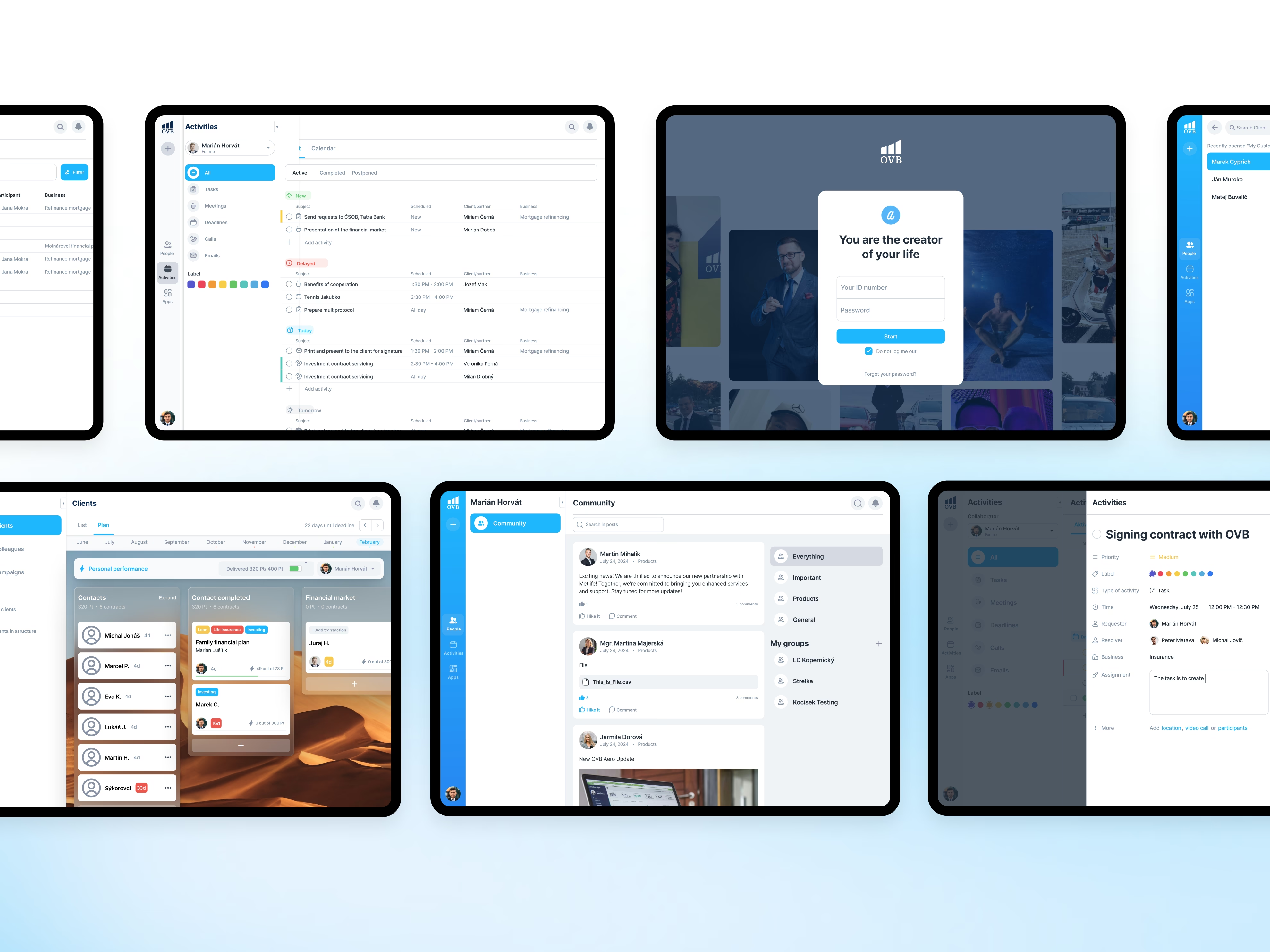
  4. Modular platform covering dashboard, client list, profile, planning, activities, notifications, and backoffice
  5. Architecture designed for large datasets, phased rollout, and external integrations
  6. Built to support both desktop and mobile usage across a diverse sales organization

Designed as part of a wider ecosystem

Aero was designed as more than a standalone CRM. It had to connect with mobile applications, partner sources, email services, and other internal systems around it.
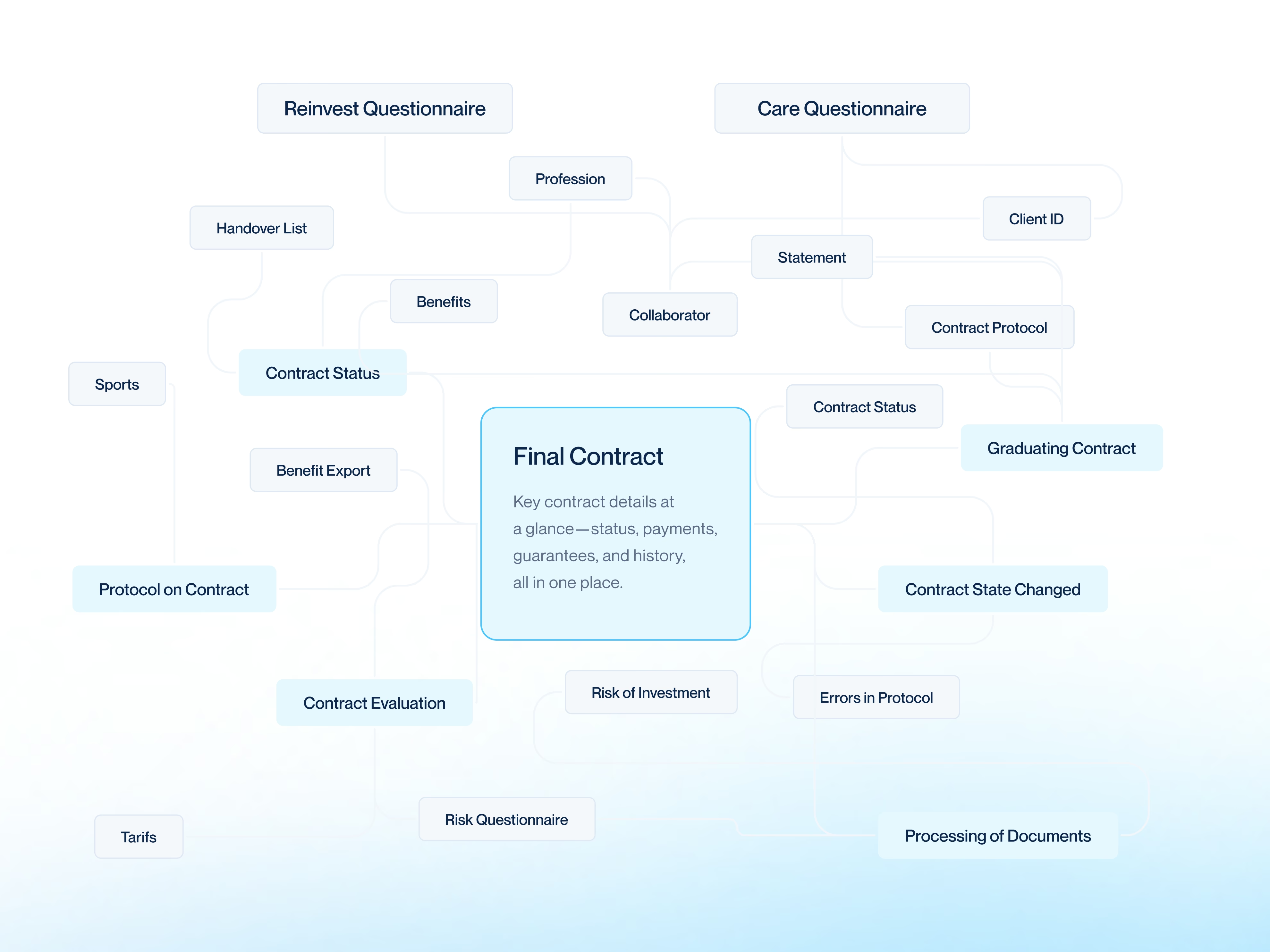
The platform sat inside a broader operational environment, which meant it could not be treated as a closed product. Core workflows depended on integrations with external partner data, internal applications, and supporting services that already played a role in how the organization worked.

That made API design and system architecture strategically important from the beginning. The goal was not only to centralize today’s workflows, but to build a technical foundation that could support additional services and future products over time. In practical terms, Aero had to become a stable operational layer that could absorb complexity from the wider ecosystem without recreating the same fragmentation it was meant to replace.

A modular CRM built around real operational workflows

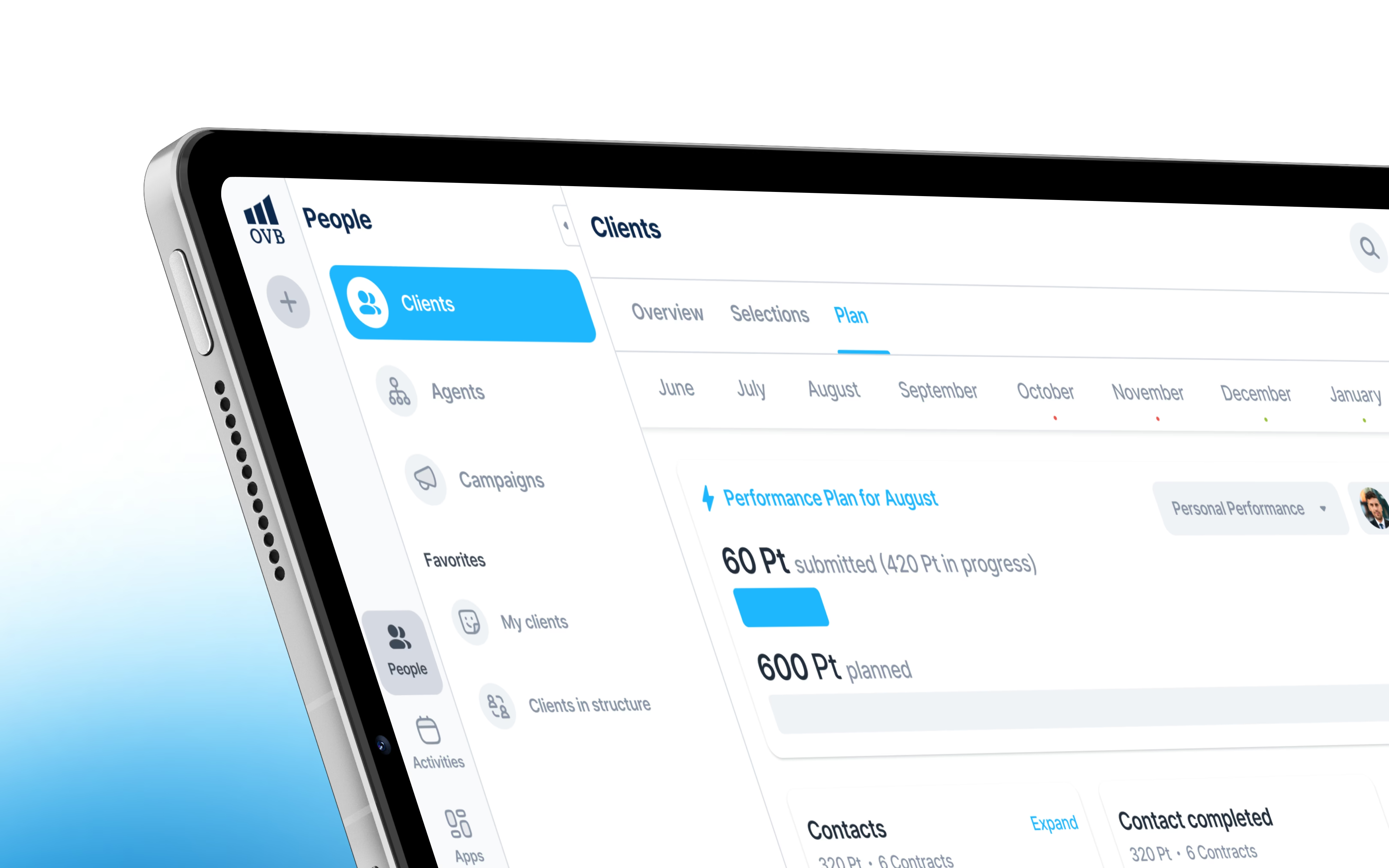
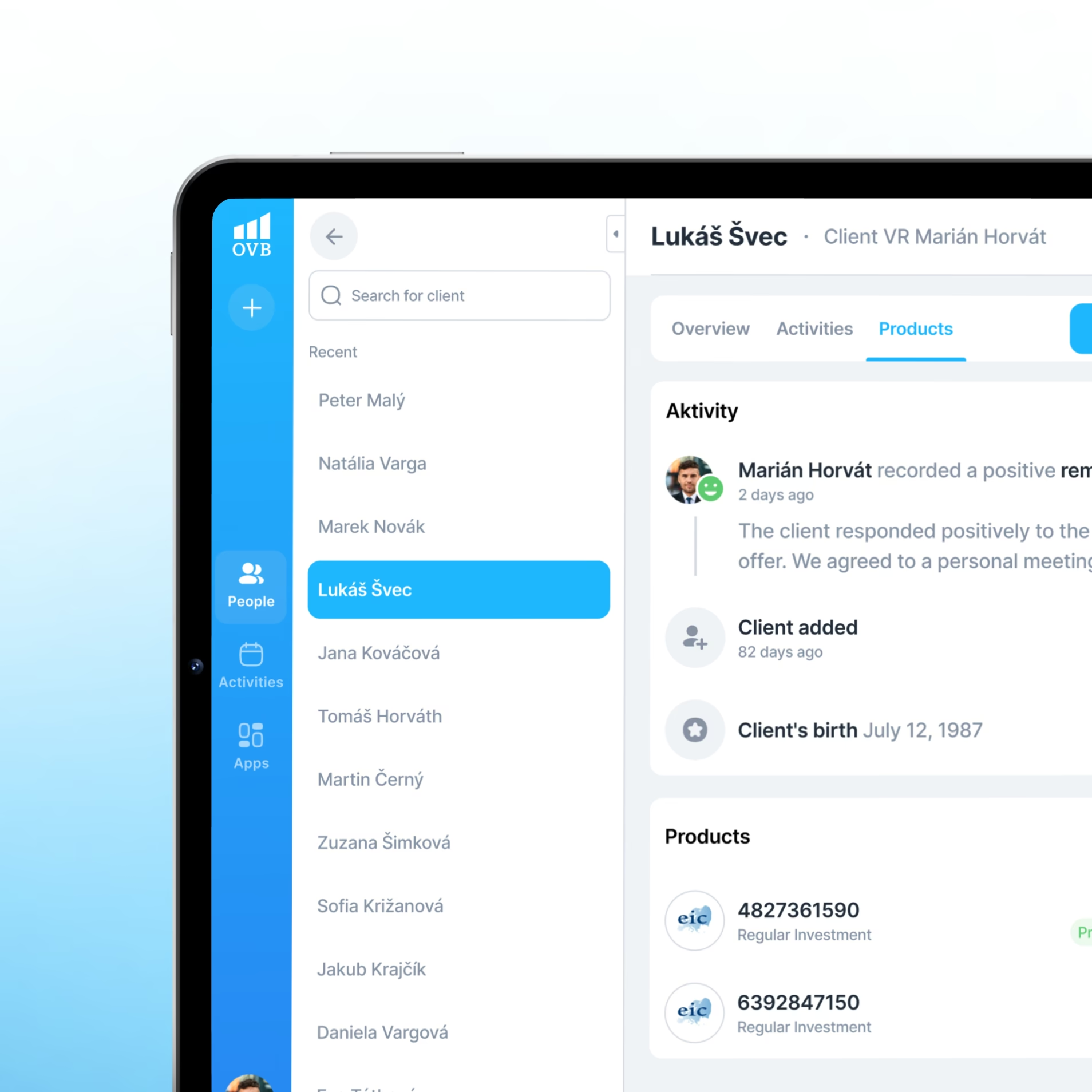
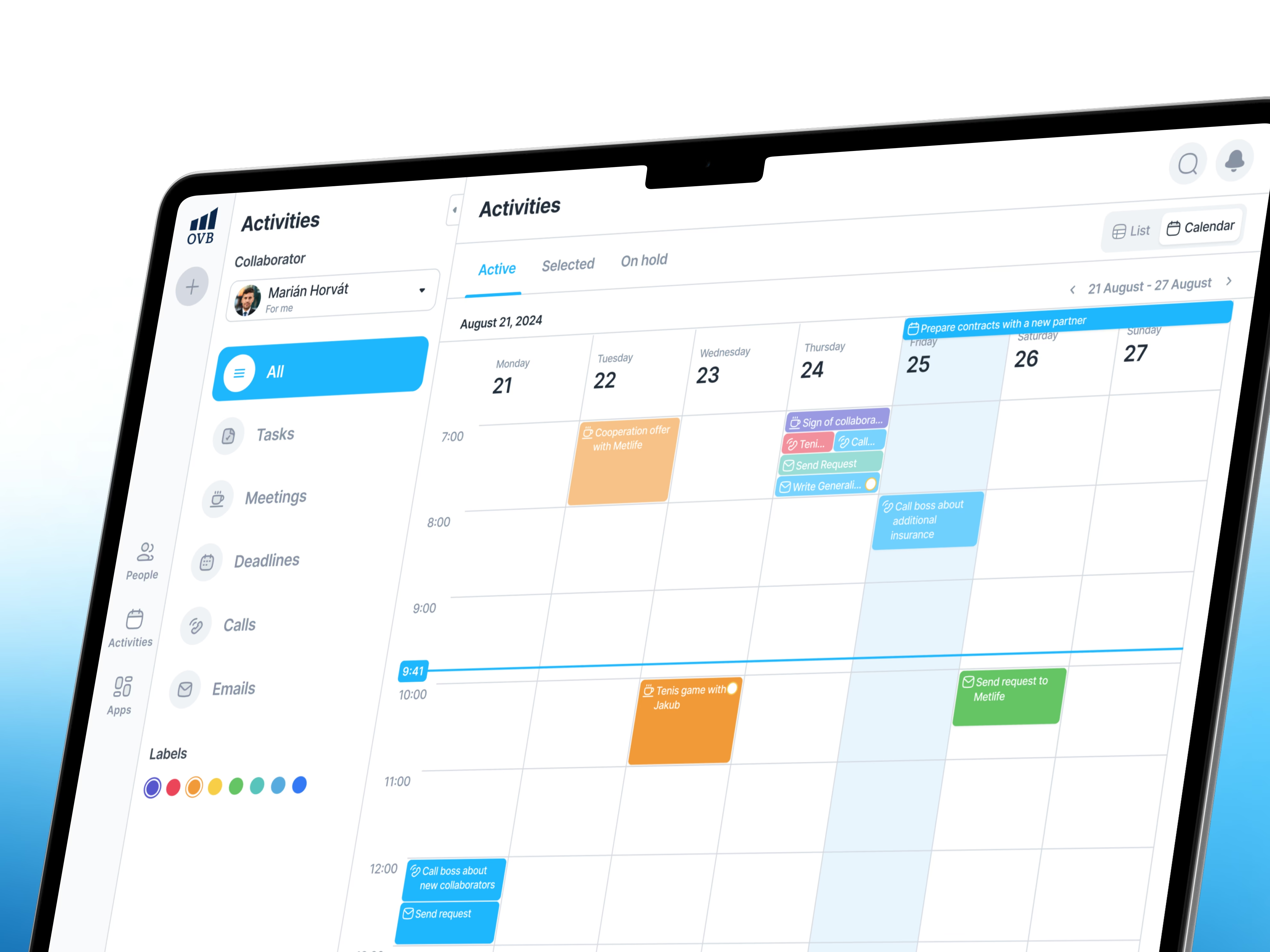
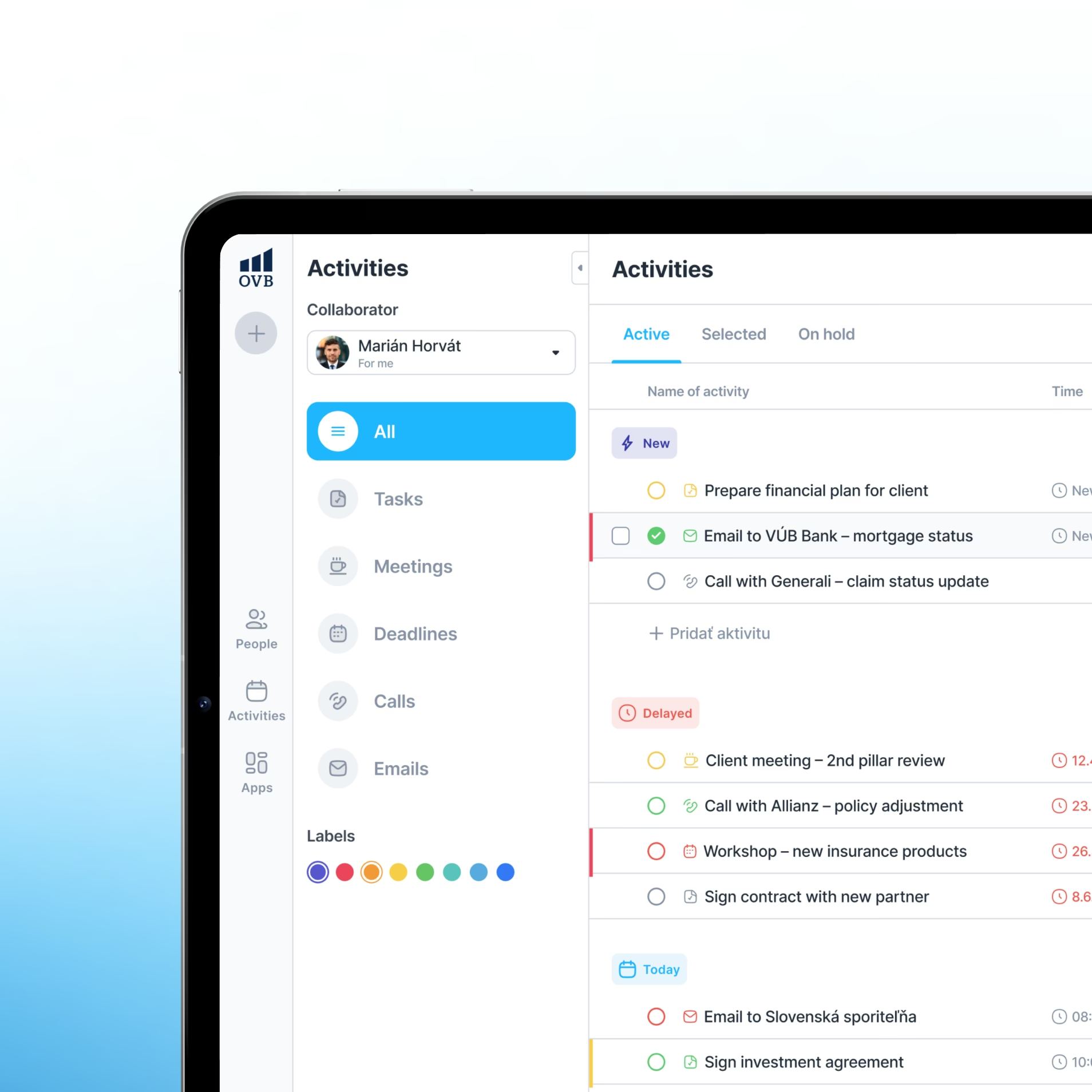
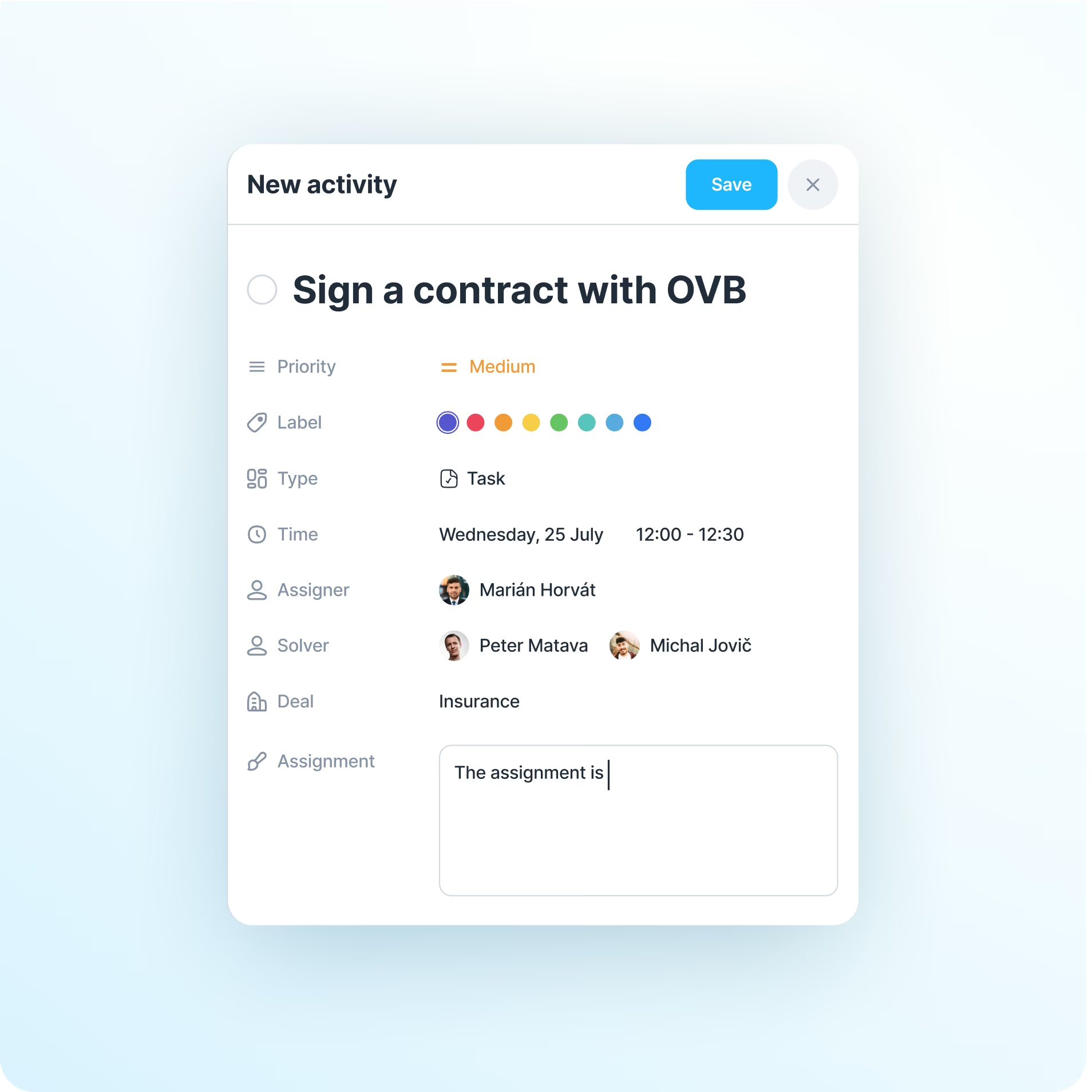
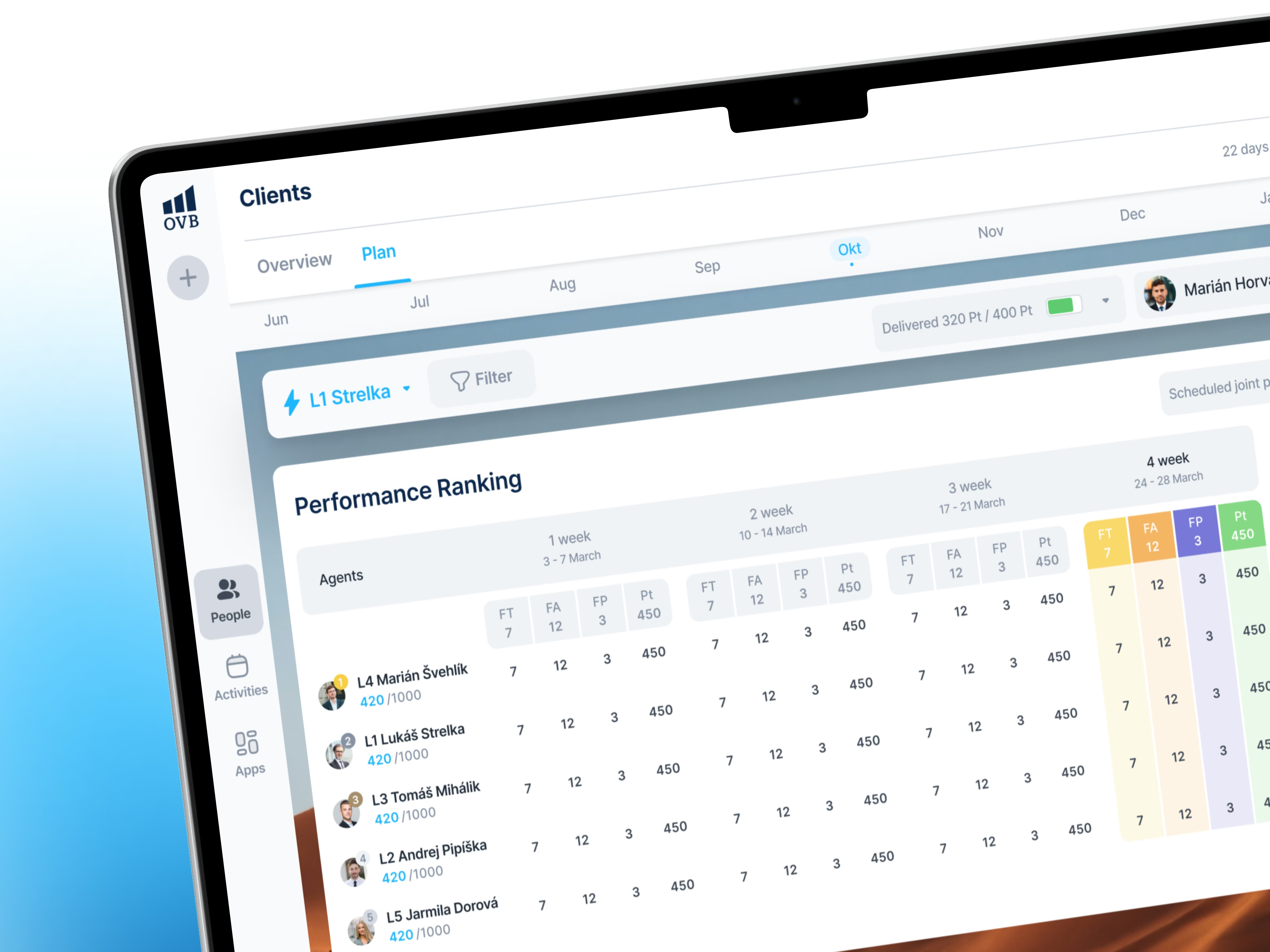
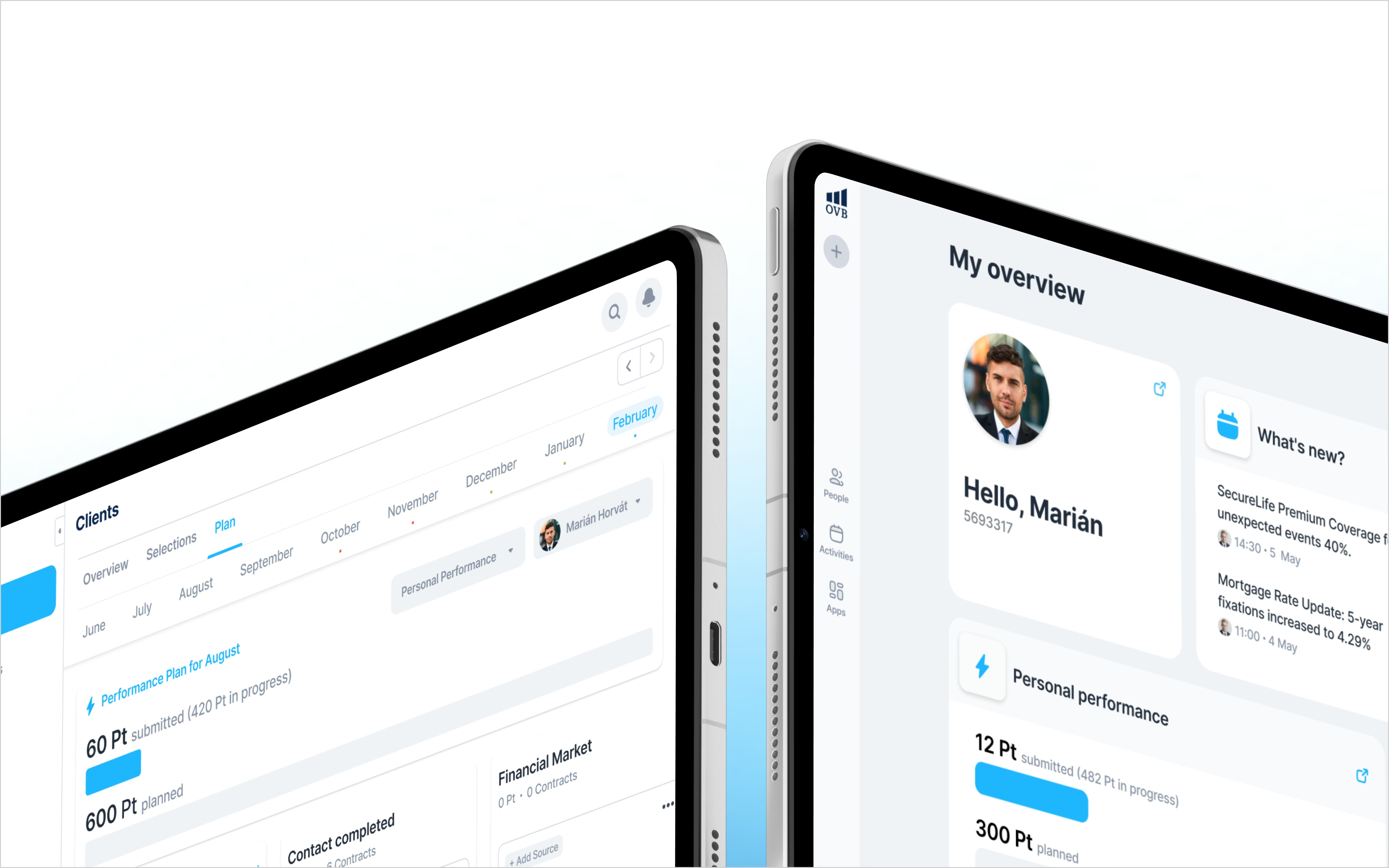
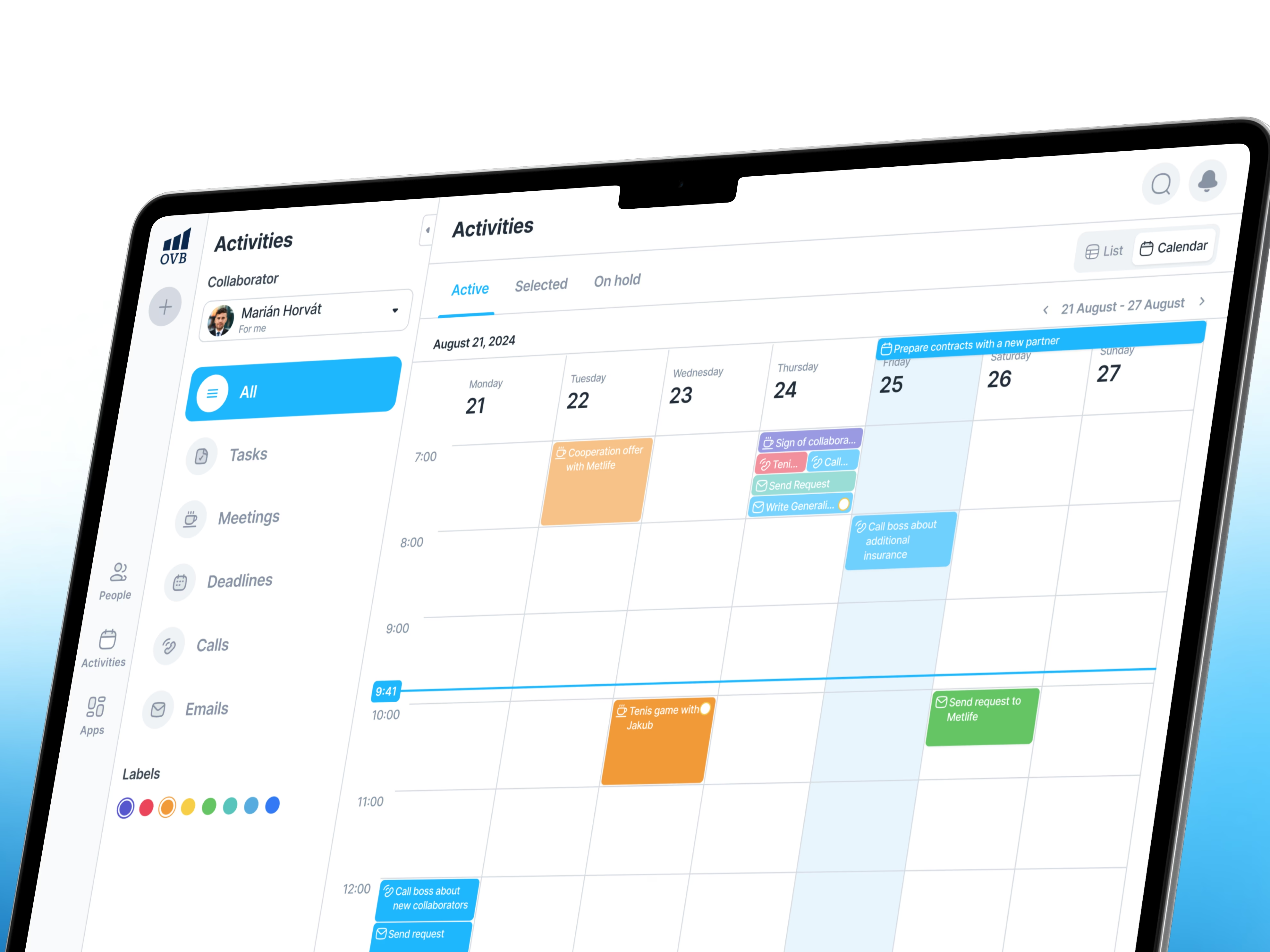
The platform was structured around the main tasks sales teams needed to perform every day, from client management and planning to activities, notifications, and backoffice operations.
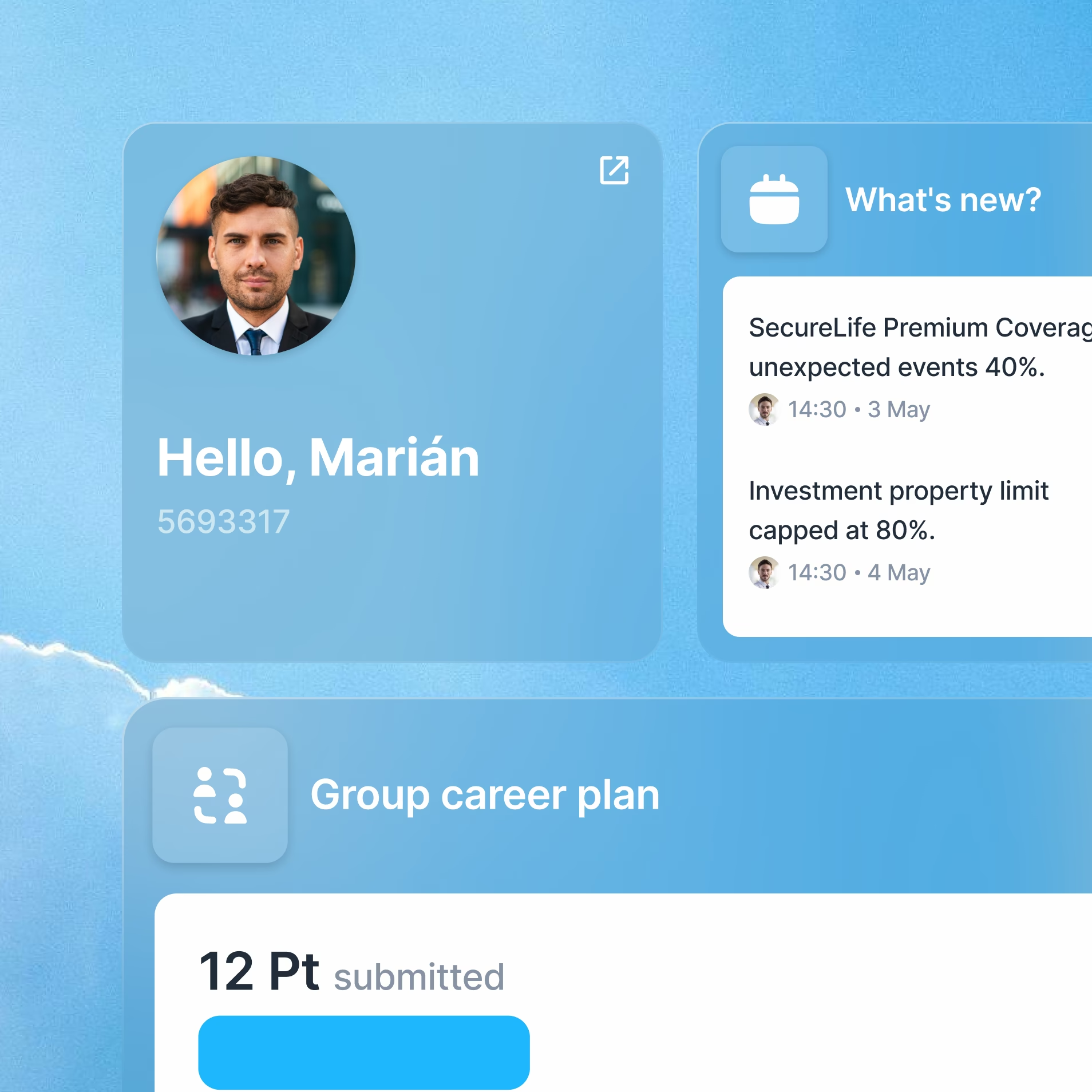
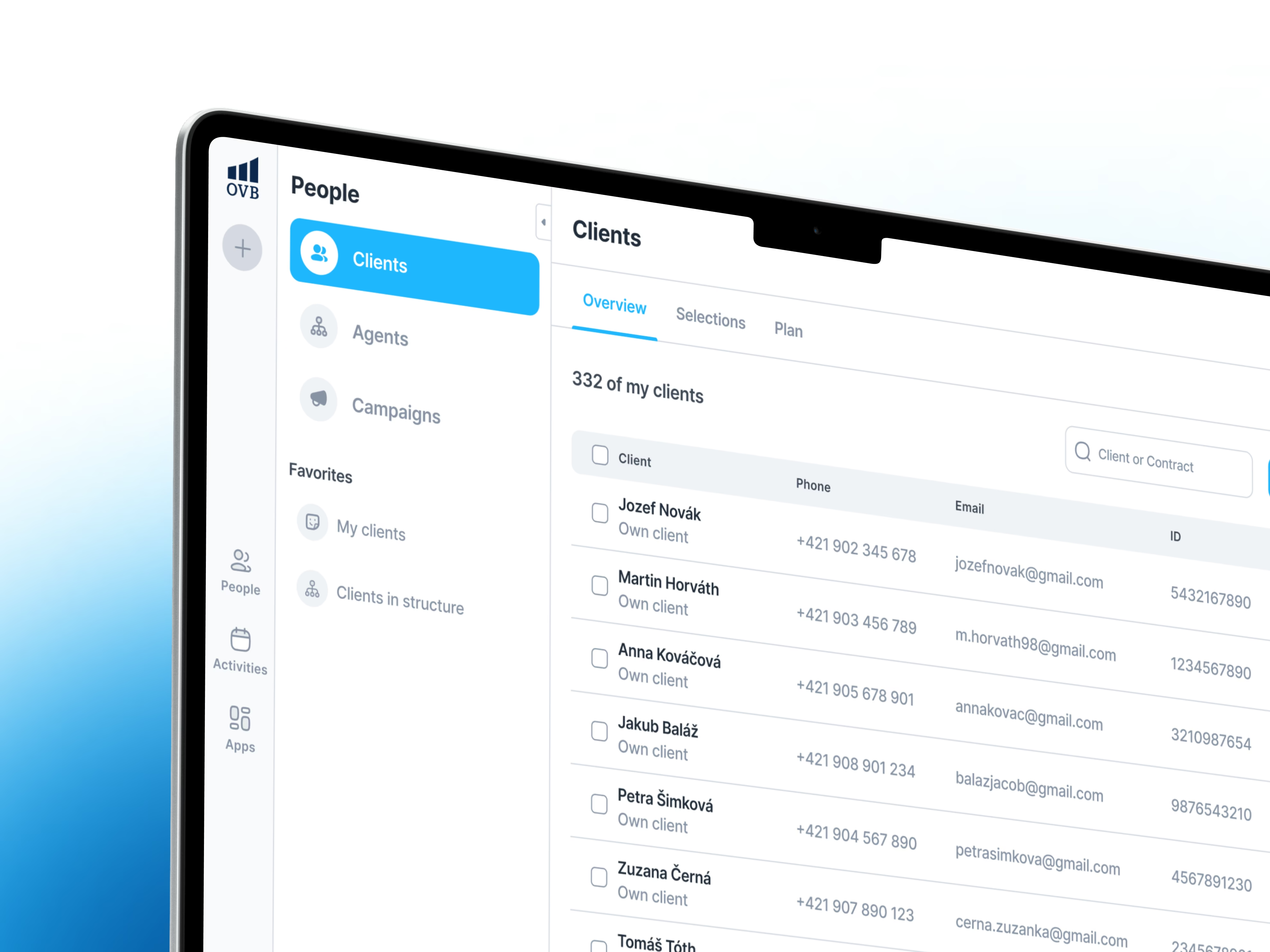
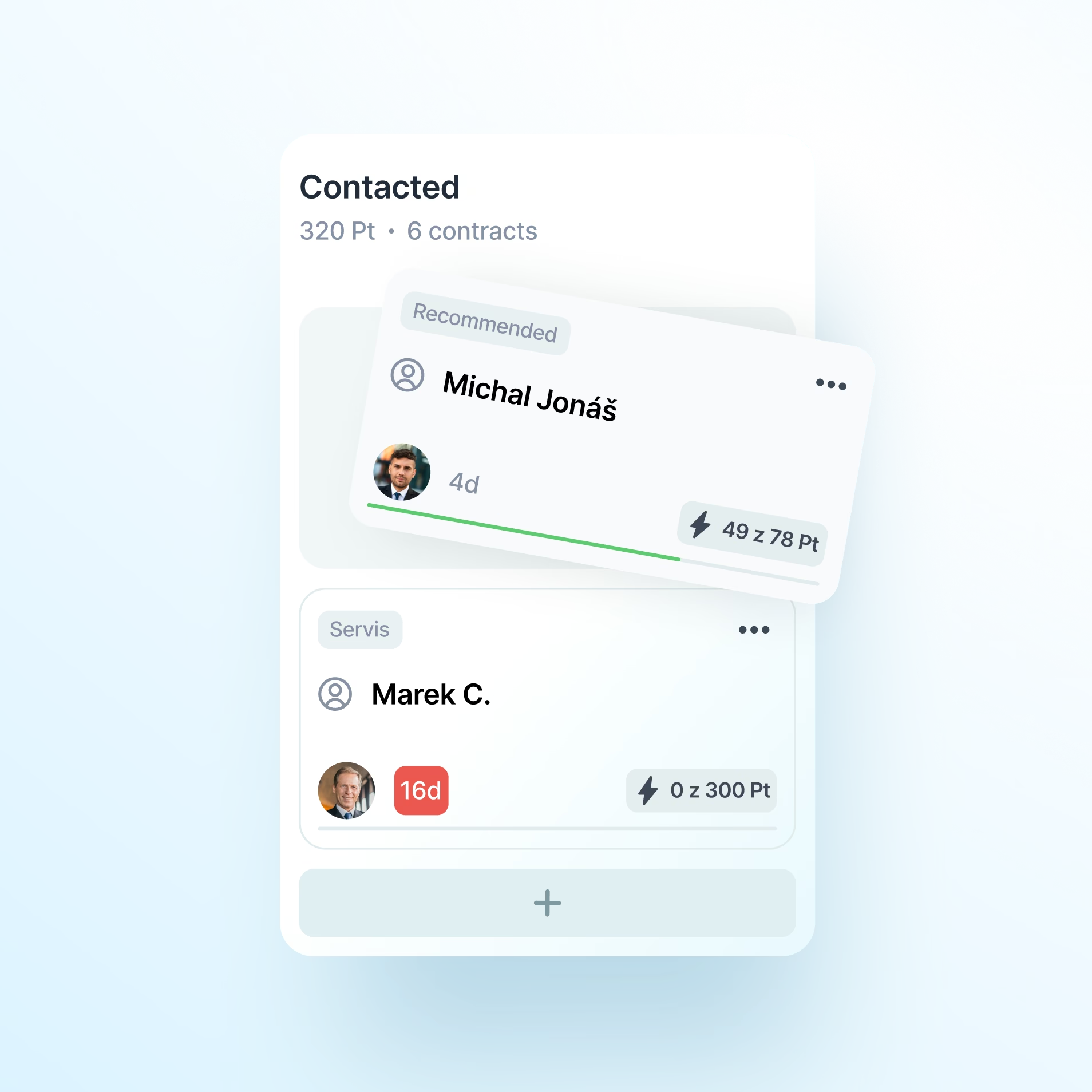
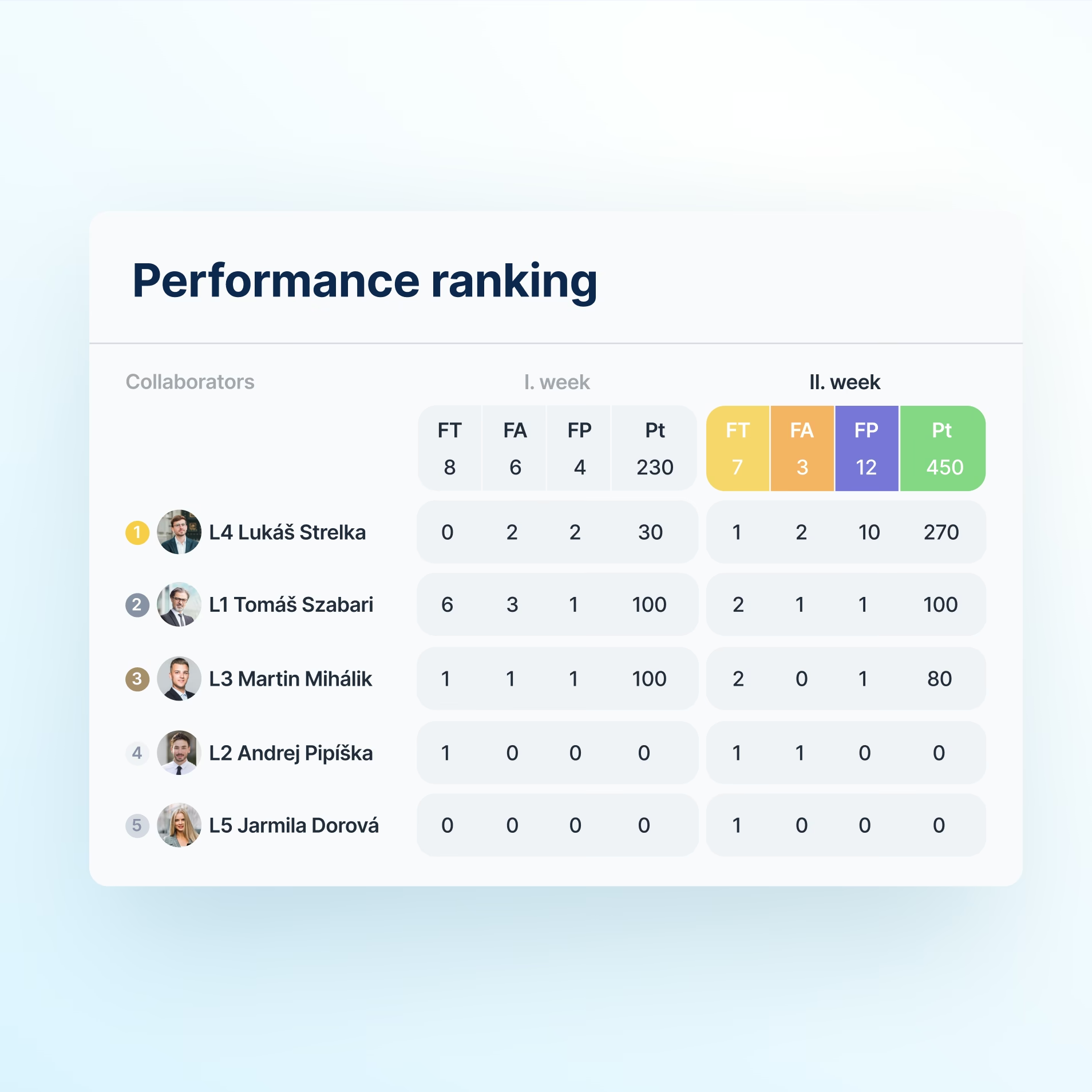
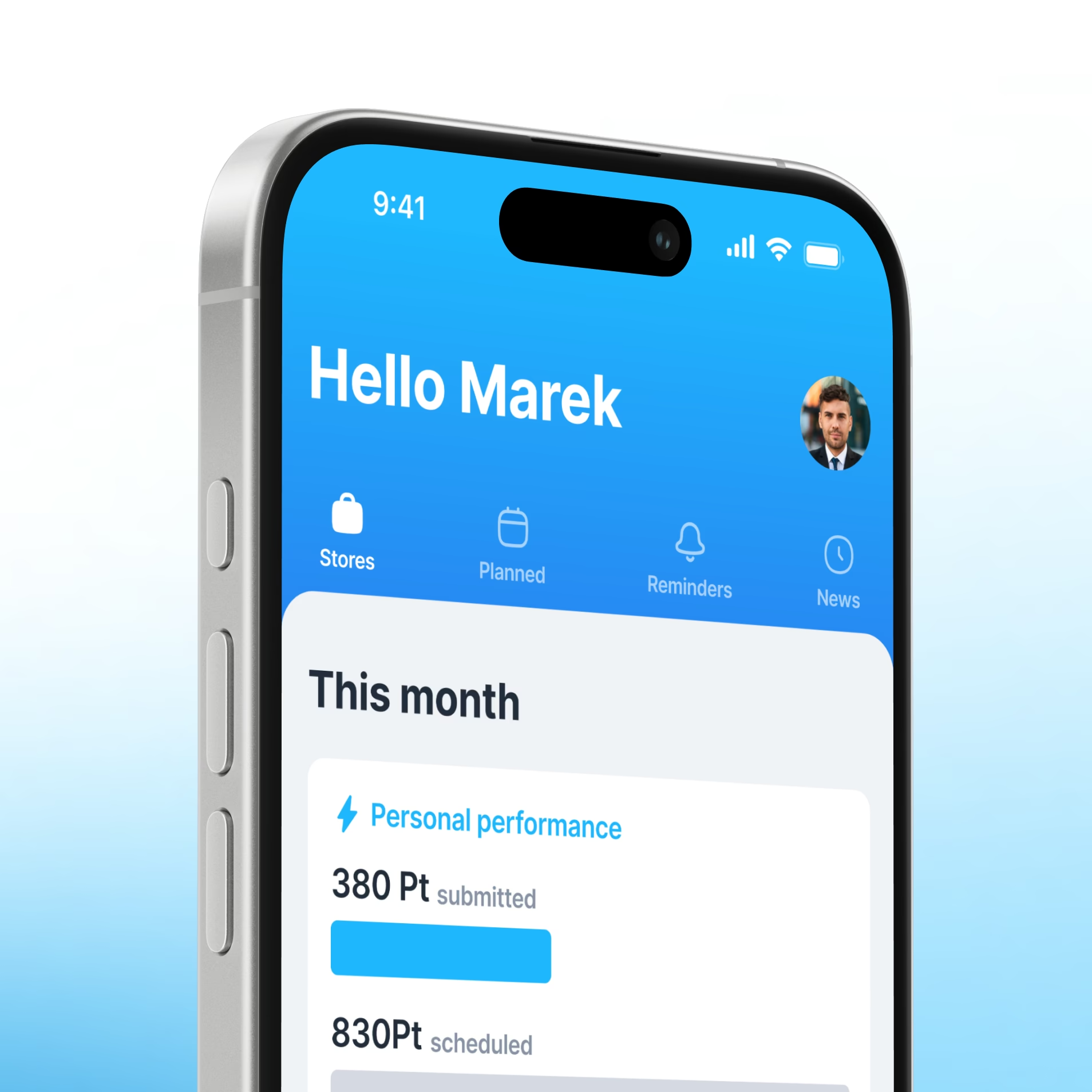
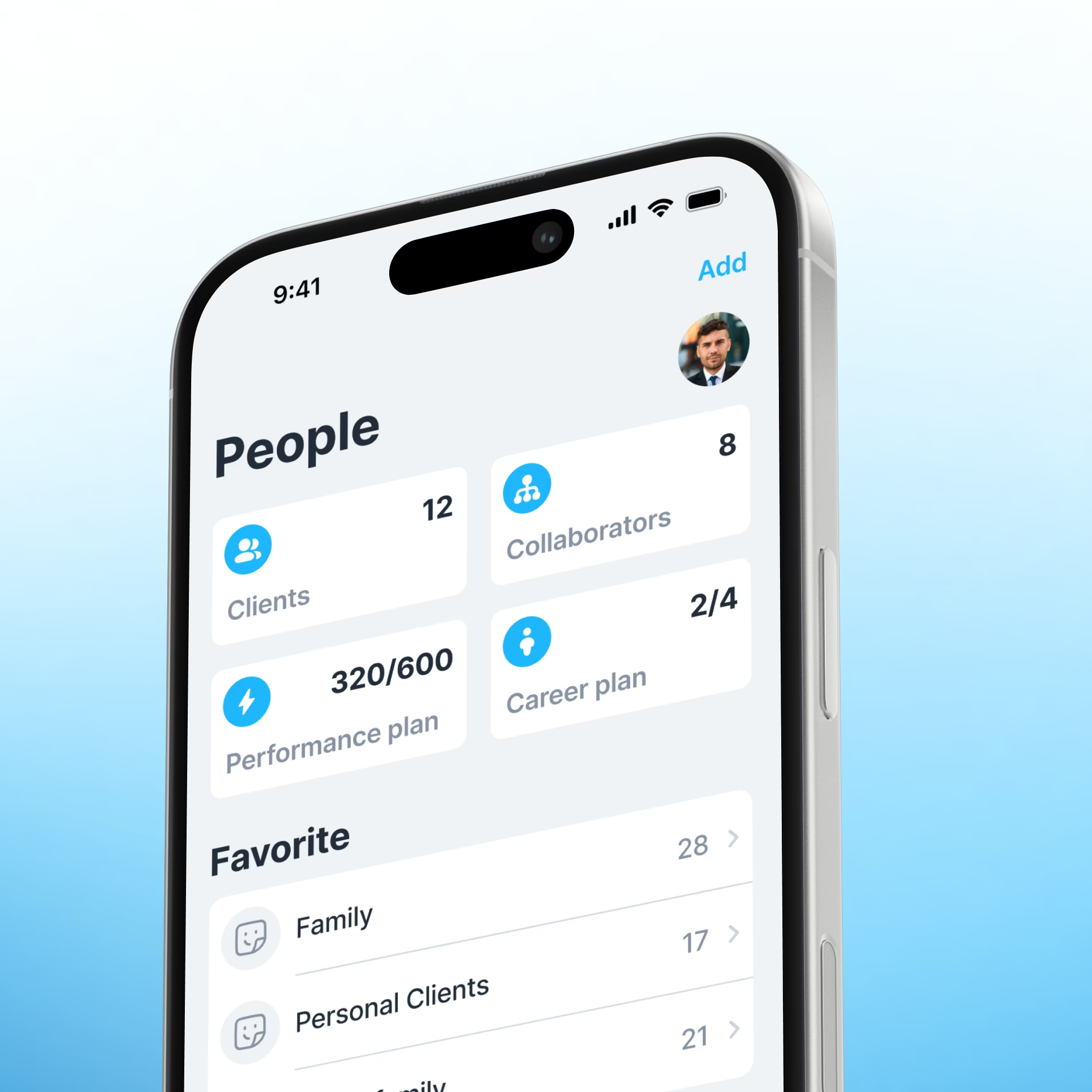
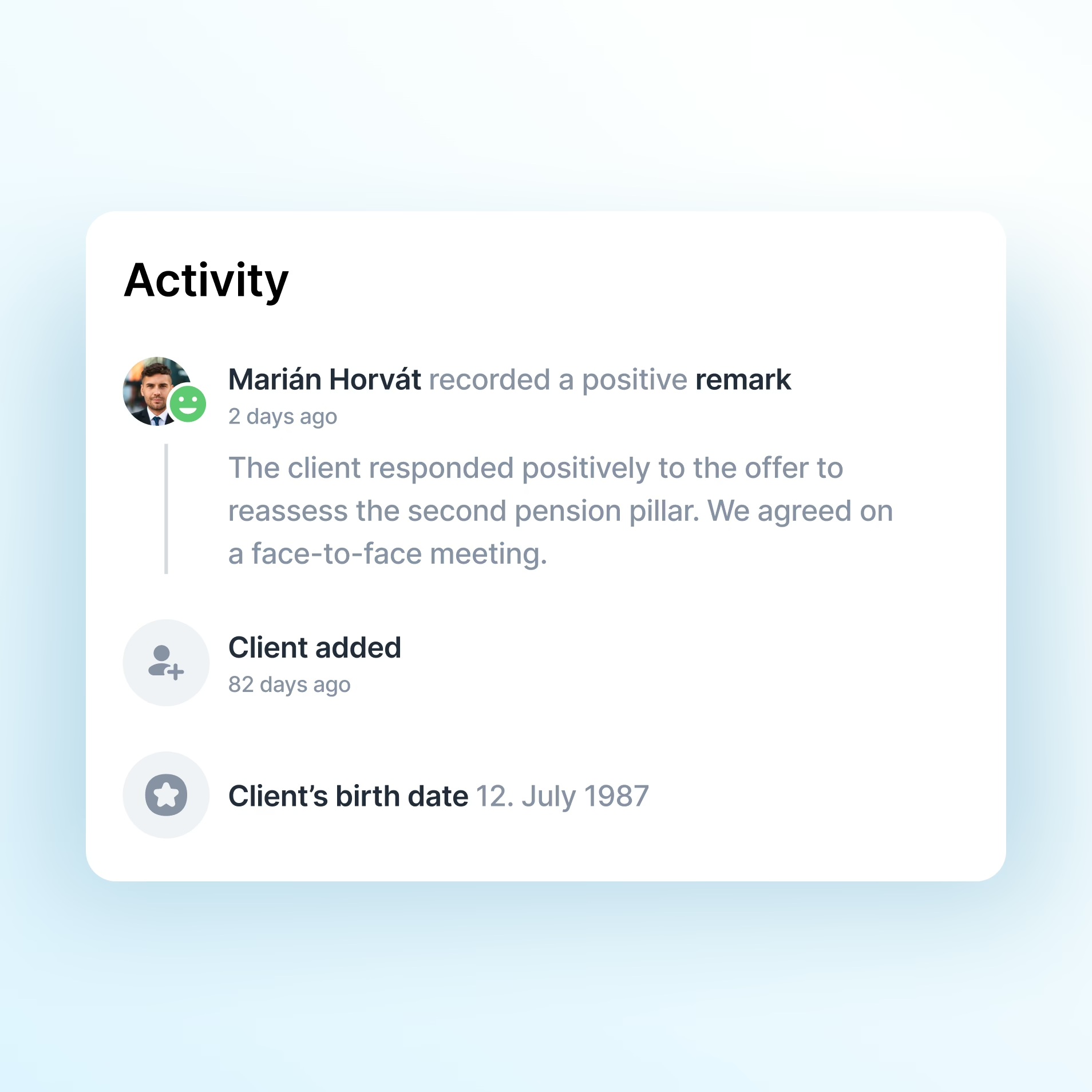
Aero combined several interconnected modules into one CRM environment: dashboard, client list with filtering, client profile, planning, activities, notifications, and backoffice. This modular approach helped the product reflect the real complexity of sales operations while keeping the system more maintainable and scalable. It also made phased rollout more practical, since individual parts of the platform could gain relevance at different stages of adoption.

Designed to stay usable at scale

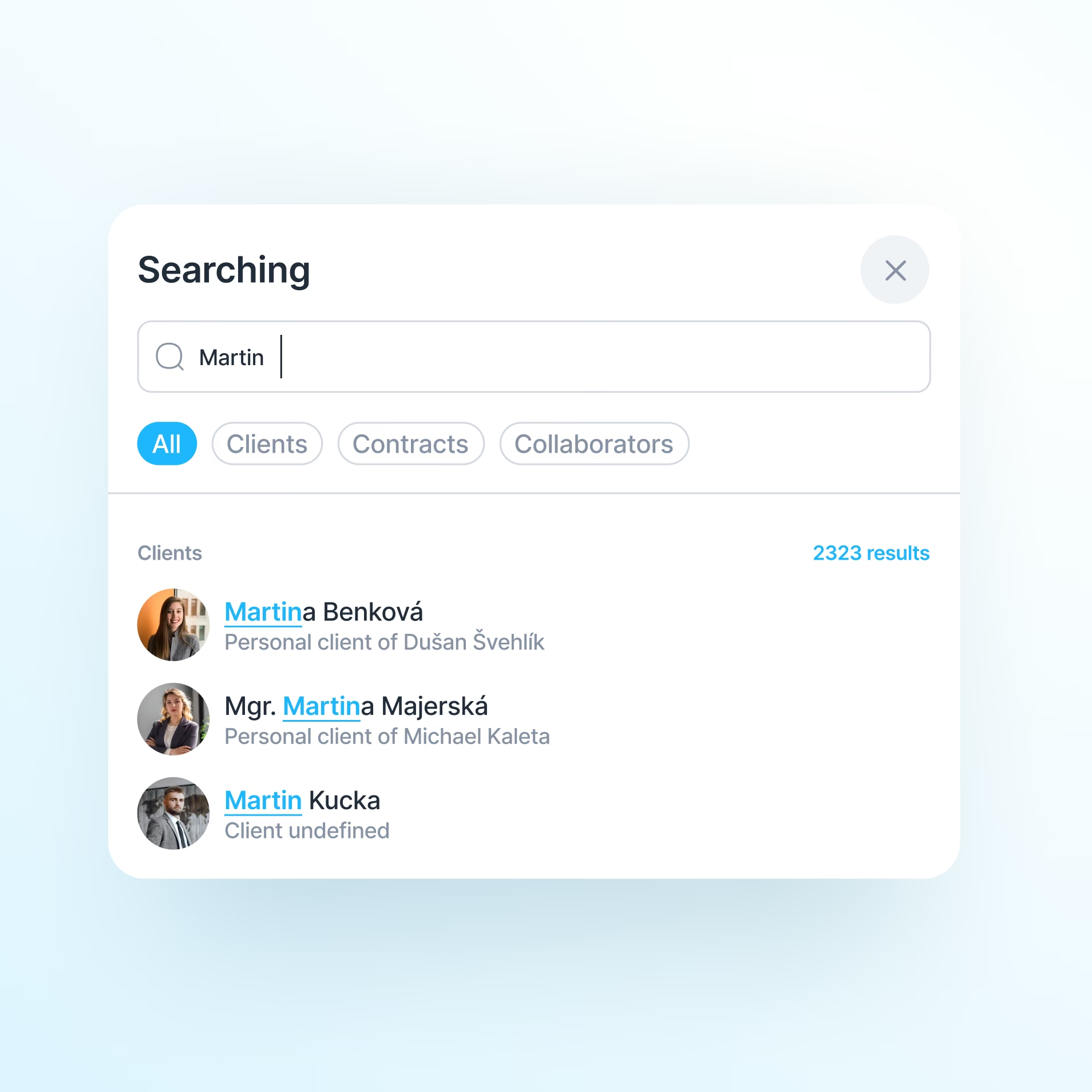
Handling hundreds of thousands of records is one thing. Making them usable in daily CRM workflows is another. Aero had to support complex filtering, high data volumes, and fast access to client information without overwhelming infrastructure or slowing the user experience.
Aero was built for everyday sales work, which meant performance could not be treated as a purely technical metric in the background. Users needed to search, filter, and work with large client datasets as part of their normal routines, and that introduced significant pressure on both system design and infrastructure.

As filtering combinations became more advanced, infrastructure load increased and performance bottlenecks began to surface. The challenge was not simply to store large volumes of data, but to make that data workable in ways that felt responsive to users. Continuous optimization of queries, processing, and presentation became essential to maintaining trust in the platform as it expanded.

Shaping and scaling a CRM over four years.

At kickoff, the client presented requirements that couldn't fit the timeframe. The first real deliverable was a realistic roadmap with clear priority tiers.

We ran two parallel discovery streams and shaped an MVP definition with Sales stakeholders, focused on a product useful from day one.
Discovery & Requirements Alignment
Architecture & MVP Definition
CRM Platform Development
Performance & Data Optimization
Phased Rollout & Expansion

Discovery & MVP Definition

The project began with workshops focused on purpose, target users, requirements, and business goals. From there, the work moved into prioritization, roadmap definition, and shaping an MVP that could meet high expectations without trying to solve everything in the first release.

Architecture & Delivery

Once the direction was clear, the focus shifted to server architecture, database design, API interfaces, and the core CRM platform itself. Built on TypeScript, Adonis.js, Vue 3, Nuxt 3, PostgreSQL, and AWS, Aero was designed as a modular system capable of supporting daily sales operations across multiple workflows.

Optimization & Rollout

As the platform expanded, delivery moved into a more demanding phase shaped by filtering performance, large datasets, external integrations, and phased adoption across sales teams. Continuous optimization and rollout support helped turn the platform into a stable operational system rather than a one-off release.

Built around data that did not naturally fit together

Aero had to operate across multiple disconnected systems, inconsistent database structures, and source data that was never designed to support one shared CRM environment.
One of the project’s core challenges was not only collecting data, but making it dependable enough to use in daily operations. Several important systems were built independently, with different structures, quality levels, and technical limitations. Some databases were even regularly deleted and regenerated, which made direct change tracking impossible and created serious limits for synchronization.

To solve this, the project required consolidating multiple sources into a local database that could support proper tracking, stable processing, and long-term consistency. This was a foundational decision. Without it, Aero would have remained another interface layered on top of operational fragmentation rather than a central system the organization could actually rely on.

"The Outloud team combined strong technical skills with a deep understanding of our business needs.

Their mindset and flexibility made the collaboration feel like working with an extension of our internal team rather than an external supplier."

The kind of complexity we are built for.

Aero brought together the challenges that define many enterprise projects: fragmented systems, high stakeholder expectations, operational scale, and the need to keep delivery moving while the product itself is still taking shape.

This is the kind of work we do best. Projects where the problem is bigger than a feature list, and where solving it requires product thinking, technical depth, and the ability to make progress through uncertainty.
7 modules
Dashboard, clients, planning, activities, notifications, backoffice, and more
100k+
Records handled across complex filtering and operational workflows
4 years
Continuous development and rollout